Last updated October 31, 2026
 Metal roofing
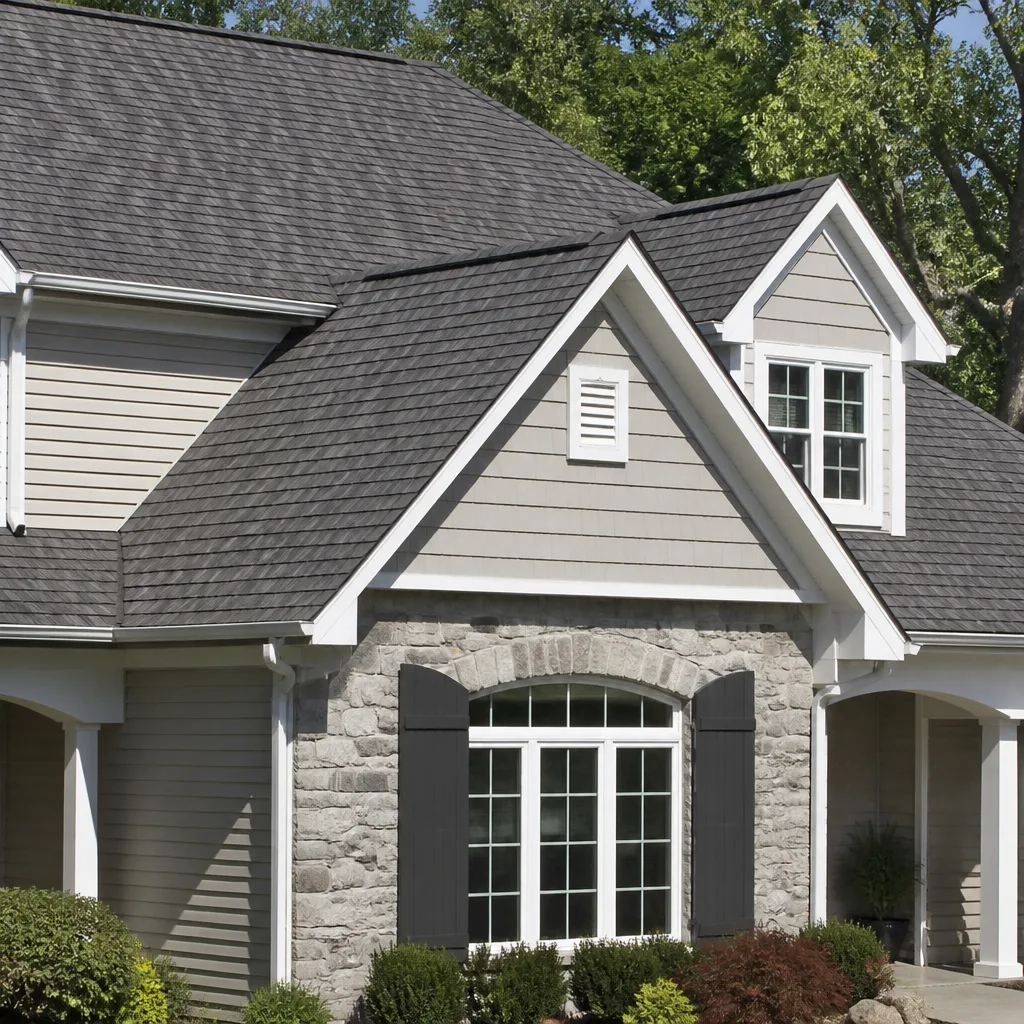 Architectural shingles
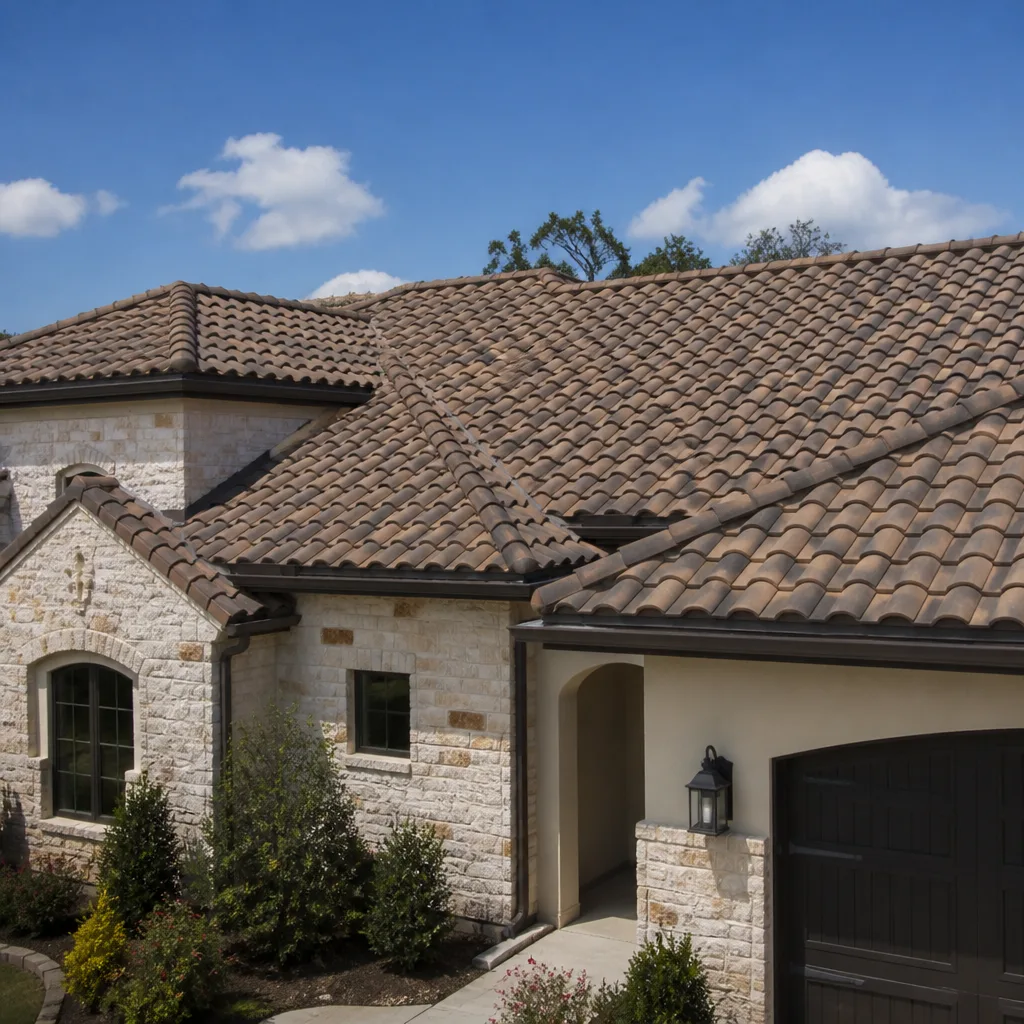 Tile roofing
 GAF
 Owens Corning
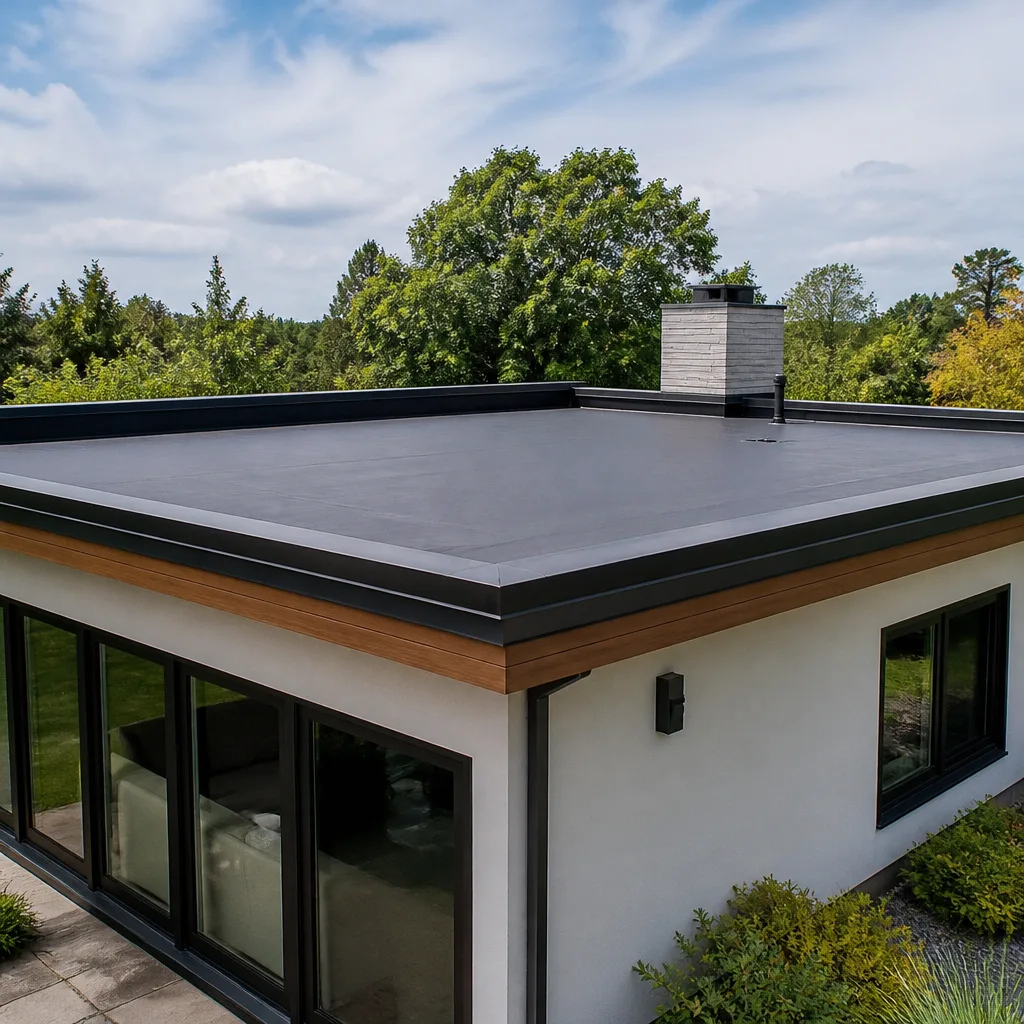 Flat & low-slope
Free roof inspection with deck photos before we talk money - GAF and Owens Corning certified installation
Seasonal Roofing Care for Hollywood: Year-Round Homeowner’s Guide
Hollywood doesn’t have four seasons. It has three roofing stress periods: Santa Ana wind season, the winter rain window, and the long dry-heat stretch that cures or cracks everything the other two seasons disturb. If you’re working from a generic “spring and fall roof maintenance” checklist designed for Minnesota or Ohio, you’re protecting against the wrong threats. This guide is organized around the actual weather patterns that damage roofs in Hollywood, CA, with specific tasks timed to each stress period. You’ll learn what to inspect before the winds arrive in October, what to check between November rain events, how summer UV quietly ages your roof, and how hillside homes in the Hollywood Hills face different risks than flatland properties.
Styles & brands we work with
Quick Answer
Seasonal roofing care in Hollywood means working around three stress periods, not four calendar seasons: prepare for Santa Ana winds in September and October, keep drainage clear and flashing sealed during the November through March rain window, and address UV and thermal damage during the dry-heat months from April through August. A homeowner log tracking conditions, inspections, and repairs creates a defensible maintenance record for insurance purposes. The most important single task is a pre-Santa Ana inspection focused on wind-lift vulnerabilities: loose shingles, deteriorating sealant, and unsecured flashing.
Table of Contents
- Pre-Santa Ana Prep: What to Inspect Before October
- Rain-Window Readiness: Drainage, Flashing, and Sealant Checks for November Through March
- Dry-Heat Recovery: How April Through August Ages Your Roof
- Hillside Homes in the Hollywood Hills: Different Drainage, Different Debris, Different Priorities
- Building a Homeowner Roof Log: A Simple Record That Protects Your Insurance Claim
- How Material Choice Affects Seasonal Maintenance in Hollywood
- When a Professional Roof Inspection Makes Sense
- Common Mistakes to Avoid
Pre-Santa Ana Prep: What to Inspect Before October
Telling Hollywood homeowners to “prepare their roof for winter” misses the point. The most damaging roofing event of the year often arrives in October as a 90°F Santa Ana, weeks before the first drop of rain. Santa Ana winds in the Hollywood area routinely gust to 40-60 mph, with canyon-adjacent neighborhoods seeing higher bursts. These winds don’t just blow debris onto your roof; they create uplift pressure that pries at shingle edges, loosens flashing, and turns small vulnerabilities into active leaks. The prep window is September through early October, before the first major wind event.
What to Check Before Santa Ana Season
- Shingle edges and corners. Walk the perimeter (or use binoculars from the ground if you’re not comfortable on a ladder) and look for shingles that appear lifted, curled, or no longer lying flat. Wind gets under these edges and starts peeling.
- Flashing at roof penetrations. Chimneys, vent pipes, skylights, and anything else that pokes through the roof have metal flashing around them. Check that the flashing is still sealed against the roof surface and hasn’t pulled away or corroded.
- Loose debris that could become projectiles. Branches overhanging the roof, dead palm fronds, and loose tiles are the most common wind-driven damage sources in Hollywood. Trim what you can reach. For anything large or high, this is a job for a professional.
- Existing patches and previous repairs. Any area that’s been patched before is a weak point. Check that the patch is still adhered and sealed. In our experience, Santa Ana winds find the repair you forgot about.
- Ridge caps and hip lines. The peaked edges of your roof take the most direct wind pressure. Look for cracks, gaps, or missing sections along ridge lines.
If you find more than two or three areas of concern, or if the roof is over 15 years old, schedule a professional roof inspection in Hollywood before the winds arrive. A trained eye catches what a homeowner misses, and the cost of an inspection is a fraction of what wind-driven water intrusion costs to remediate.
Rain-Window Readiness: Drainage, Flashing, and Sealant Checks for November Through March
Hollywood’s rain window is short but intense. The region typically gets 12-15 inches of rain per year, but most of it falls in a handful of concentrated storm events between November and March. A single atmospheric river can drop 2-4 inches in 24 hours, which is more water than your roof sees the entire rest of the year combined. The goal during this window is not just keeping water out; it’s moving water off the roof as fast as possible.
Three Drainage Priorities for Hollywood’s Rain Spots
- Valleys and low points. Wherever two roof planes meet, water concentrates. Debris accumulates in these valleys during the dry months, and the first heavy rain turns it into a dam. Check valleys after every major wind event.
- Roof edges and eaves. Leaves, dust, and Santa Ana debris build up at the roof edge, blocking water’s exit path. When water backs up at the eaves, it can work under the shingles and into the underlayment.
- Scuppers and drains on flat sections. Many Hollywood homes have flat or low-slope sections. These drain through scuppers (openings in the parapet wall) or internal drains. A clogged scupper means ponding water, and ponding water on a flat roof finds every seam flaw.
Sealant and Flashing Checks During the Rain Window
The freeze-thaw cycle that destroys roofs in colder climates doesn’t exist in Hollywood, but our rain events do stress sealant differently. After a storm, sealant that was fine in dry heat can show gaps and cracks from thermal shock, the sudden temperature drop when cold rain hits a sun-heated roof surface. Pay attention to areas where sealant meets dissimilar materials: where metal flashing meets shingles, where stucco walls meet roof edges, and around skylight frames. These are the first places to fail during Hollywood’s winter rain events.
If you notice water staining on ceilings or walls during or after a rain, don’t wait. Small leaks become structural problems quickly in Hollywood homes because our dry air can mask moisture damage until it’s significant. For any active leak, call a roof repair specialist in Hollywood promptly. Temporary fixes with tarps or sealant rarely hold through the next storm.
Dry-Heat Recovery: How April Through August Ages Your Roof
Between April and August, Hollywood sees months of near-constant sun with daytime temperatures regularly in the 80s and 90s, and roof surface temperatures that climb well above 140°F. This is the slow, quiet degradation period. Nothing dramatic happens; instead, your roof ages at an accelerated rate compared to coastal properties just a few miles west.
What UV and Thermal Cycling Actually Do to a Roof
- Sealant dries and cracks. Expansion and contraction from daily temperature swings, sometimes 40+ degrees between afternoon and pre-dawn, causes sealant to lose elasticity. Hairline cracks form, expand, and eventually allow water through during the next rain window.
- Granule adhesion weakens. Asphalt shingles are coated in mineral granules that protect the asphalt from UV. Years of intense sun bake the asphalt below, causing granules to loosen. You’ll see granules collecting in gutters and downspouts; this is normal aging, but accelerated in Hollywood’s heat.
- Flashing moves. Metal expands when hot and contracts when cool. Over thousands of cycles, flashing fasteners loosen and sealant bonds break. The movement is invisible, but the result is a roof that’s no longer watertight at critical junctions.
- Wood decking dries and shifts. The plywood or OSB under your roofing material absorbs ambient moisture during the rain window and dries during summer. This cycle causes subtle dimensional changes that, over years, create nail pops and shingle misalignment.
The practical takeaway: late summer and early fall are the best time to address dry-heat damage. The heat has done its work, and you have a narrow window before Santa Ana season arrives. If your roof is showing signs of granule loss, cracked sealant at penetrations, or visible flashing movement, address it now before the October winds turn these weaknesses into active failures.
Hillside Homes in the Hollywood Hills: Different Drainage, Different Debris, Different Priorities
The Hollywood Hills present a fundamentally different roofing environment than the flatland neighborhoods of central Hollywood. Hillside homes deal with steeper terrain, different wind patterns, and debris accumulation that flatland properties never see. If you own a hillside property in Hollywood, your seasonal maintenance calendar should look different from a homeowner in Little Armenia or Melrose Hill.
How Hillside Roofing Differs in Hollywood
- Steeper roof pitches. Many hillside homes are built with steeper roof pitches to shed water quickly and handle the visual massing on sloped lots. Steep roofs are actually better at shedding water, but they’re harder to inspect safely and more vulnerable to wind uplift at the eaves.
- Debris from above. Hillside properties collect debris not just from trees on the property but from vegetation uphill. Eucalyptus bark, sycamore leaves, and chaparral debris wash or blow down onto roofs below. Debris volume is consistently higher on hillside lots.
- Santa Ana amplification. Hillside homes experience stronger sustained winds than flatland properties. The wind funnels through canyons and accelerates over ridgelines. A 40 mph wind event in central Hollywood can feel like 60 mph on a hillside perch.
- Drainage complexity. Hillside roofs often have multiple levels, retaining walls, and unusual drainage paths. Water from an upper roof section may sheet onto a lower roof, doubling the water load on that surface. Checking that upper-level drainage flows correctly to lower-level collection points matters more on hillside homes.
Hillside homeowners in Hollywood should inspect their roofs more frequently than flatland neighbors. Twice per year is a reasonable minimum for hillside properties, with an extra check after any significant Santa Ana event. The roof inspection service from Hollywood Roofing Co includes hillside-specific checks that generically trained inspectors often miss.
Building a Homeowner Roof Log: A Simple Record That Protects Your Insurance Claim
One of the most practical things you can do for your roof is also one of the most overlooked: keeping a written log. Insurance companies ask for maintenance records when you file a claim. Without them, you’re arguing from memory. With them, you have a defensible history showing you’ve acted as a responsible homeowner. This is especially important in Hollywood, where roof damage claims often hinge on whether damage was sudden (covered) or the result of deferred maintenance (often denied).
What to Include in Your Roof Log
- Date and type of each inspection or maintenance task. Note whether it was a personal visual check or a professional inspection.
- Observations. What did you see? Loose shingles, cracked sealant, granule accumulation, pooling water.
- Actions taken. What did you do? Trimmed branches, repaired sealant, cleaned valleys, called a contractor.
- Contractor documentation. Save invoices, work orders, and photos from any professional work. Attach them to your log.
- Weather events. Note major storms, Santa Ana events, and extreme heat stretches. Cross-reference damage observations to specific events.
- Photos with timestamps. Date-stamped photos before and after any repair create an evidence trail that’s hard to dispute.
This log doesn’t need to be elaborate. A simple notebook or a digital note on your phone works fine. The key is consistency. A homeowner who can show five years of documented seasonal inspections is in a much stronger position during a claim dispute than one who says, “I check it whenever I remember.”
How Material Choice Affects Seasonal Maintenance in Hollywood
Not all roofing materials respond to Hollywood’s climate the same way. Understanding the seasonal behavior of your specific roof material helps you know what to watch for during each stress period. Because Hollywood Roofing Co installs materials from seven leading brands (including CertainTeed, Owens Corning, IKO, and Atlas), we’re able to recommend based on how a material performs in this specific climate, not based on what a single supplier happens to stock.
Material-Specific Seasonal Concerns
- Asphalt shingles (the most common choice in Hollywood). Watch for granule loss in summer, wind lift at edges during Santa Anas, and sealant degradation at ridges and hips. Most asphalt shingle failures start small and grow slowly.
- Tile roofs (common in hillside and Spanish-style homes). Tile handles UV exceptionally well but is vulnerable to impact damage from wind-blown debris. A cracked tile doesn’t leak immediately, but it compromises the underlayment over time. Check after every Santa Ana event.
- Flat and low-slope membrane roofs (common on mid-century Hollywood homes). These need the most attention to drainage. Ponding water is their enemy. Check scuppers, drains, and membrane seams after every significant rain.
- Metal roofing (growing in popularity). Metal handles Santa Ana winds and UV well, but fasteners can loosen from thermal cycling. Listen for rattling during wind events, which indicates loose fasteners.
When it’s time for a roof replacement in Hollywood, material choice should account for your specific exposure: hillside vs. flatland, full sun vs. shaded, and your tolerance for maintenance. A homeowner in a shaded canyon has different needs than one on an exposed ridgeline. The right material matched to your home’s specific conditions means fewer surprises during each seasonal stress period.
When a Professional Roof Inspection Makes Sense
You can handle many seasonal roof checks yourself, but professional inspections earn their cost in specific situations. A trained inspector catches subtle issues that a homeowner standing on the ground with binoculars will never see: hairline sealant cracks, early-stage flashing corrosion, nail pops that haven’t yet created leaks, and underlayment wear visible only from the roof surface.
When to Schedule a Pro
- After any major Santa Ana event with sustained winds over 50 mph, especially if you’re in a hillside or canyon-adjacent neighborhood.
- After any rain event that produced leaks, staining, or damp spots. By the time you see interior evidence of a leak, the water has already been working for weeks or months.
- Before buying or selling a Hollywood home. A pre-sale inspection protects you from surprises during escrow. A pre-purchase inspection tells you what you’re actually buying.
- If your roof is over 15 years old and hasn’t had a professional look in more than three years. Aging roofs fail gradually, then suddenly.
- Before a major remodel or solar installation. You want the roof condition documented before contractors start working on it. This protects you from disputes about pre-existing vs. caused damage.
Hollywood Roofing Co offers roof inspection as a standalone service, not as a sales appointment. You get an honest condition report. What you do with it, and when, is your call. If the roof needs work, we can handle it. If it doesn’t, we’ll tell you that too.
Common Mistakes to Avoid
- Treating all roof maintenance as a spring-only task. In Hollywood, the spring is the calmest roofing period of the year. The critical windows are September-October (pre-Santa Ana) and November-March (rain). Missing the September window means inspecting after damage has already occurred.
- Ignoring small leaks because “it only leaks during big storms.” A roof that leaks during heavy rain is already compromised. The leak is actively growing with every storm, even if the interior evidence is intermittent. Hollywood’s dry spells hide the damage between rain events.
- Skipping the pre-Santa Ana debris check. Most wind-driven roof damage in Hollywood comes from debris that was already on the roof or in overhanging trees. A 20-minute check in September prevents most October damage.
- Power-washing an asphalt shingle roof. High-pressure washing strips granules and shortens shingle life dramatically. This is a common mistake we see from overzealous homeowners and aggressive pressure-washing companies. Never power-wash shingles.
- Using generic sealant on roof penetrations. Not all sealants are created equal. Hardware-store silicone is not roofing-grade sealant and will fail within one Hollywood summer of UV exposure. Use materials specifically rated for roofing applications.
- Walking on a steep hillside roof without proper safety equipment. Steep hillside roofs in Hollywood are genuinely dangerous to walk. A fall from a two-story hillside home is catastrophic. If you can’t safely access the roof surface, hire someone who can.
- Assuming a new roof means zero maintenance. Even a new roof needs seasonal checks. The first year brings settling, fastener seating, and sealant curing. The first Santa Ana and the first heavy rain are stress tests, and you want to see the results.
When to Call a Professional
Some roofing situations are beyond the scope of homeowner maintenance and become genuinely hazardous to ignore or attempt. Call a professional if you see active water intrusion during or after rain, widespread granule loss covering more than 30% of the roof surface, visible sagging or deflection in the roof plane, daylight visible through the roof from inside the attic, or any area where the roofing material has failed to the point that the underlayment or decking is exposed. If a Santa Ana event tears shingles loose or a branch punctures the roof surface, don’t climb up to assess the damage yourself, especially on a steep hillside pitch. High-angle roof work and electrical safety considerations make professional assessment the responsible choice. Hollywood Roofing Co offers free estimates in Hollywood. Call (833) 589-7971 to schedule yours.
Frequently Asked Questions
Twice per year is the minimum for most Hollywood homeowners: once in late September before Santa Ana season, and once in late spring to assess dry-heat damage. Hillside homeowners should add a third check after any major wind event with sustained gusts over 50 mph. Each inspection should take 20-30 minutes if you’re doing a ground-level visual check with binoculars.
Santa Ana winds cause more sudden, catastrophic damage in Hollywood than rain, but rain causes more cumulative, expensive damage over time. The winds create the failures, and the rains exploit them. This is why pre-Santa Ana prep in September and October matters more than mid-winter checks.
For most Hollywood roofs, clearing debris from valleys, eaves, and drainage points is sufficient. Avoid aggressive roof cleaning; power-washing damages shingles and voiding warranties. If your roof has heavy moss or significant organic buildup, which is rare in Hollywood’s dry climate but does occur in shaded canyon areas, have a professional assess whether cleaning is needed and what method is safest for your material.
Asphalt shingle roofs in Hollywood typically last 15-20 years, which is shorter than in coastal areas with less UV exposure. Tile and metal roofs last significantly longer, 40+ years for tile and 30-50+ for metal, with proper maintenance. Your specific lifespan depends on material quality, installation quality, sun exposure, and whether seasonal checks caught small issues before they became big ones.
Place a bucket under the leak and contain the water spread as best you can. If the ceiling is bulging, puncture it at the lowest point to release the water and prevent a wider collapse. Do not climb onto the roof during rain or wind; it’s genuinely dangerous. Document the leak with photos, then call a roof repair specialist in Hollywood as soon as weather permits. Temporary tarps rarely hold through the next storm, so a proper repair beats a patch job.
Yes. A professional inspection from Hollywood Roofing Co includes a written condition report detailing findings, photo documentation, and recommendations organized by priority. This report becomes part of your homeowner log and can be submitted to your insurance company if you ever need to file a claim. The documentation shows a pattern of responsible maintenance, which matters during claim disputes.
The Bottom Line
Seasonal roofing care in Hollywood is about working with the weather this city actually has, not the weather a generic maintenance calendar assumes. Prep for Santa Ana winds in September. Keep drainage clear and flashing sealed during the winter rain window. Use the dry-heat months to address UV and thermal damage before the next stress cycle begins. Hillside homes need more frequent attention than flatland properties. Document everything in a simple log. And when something’s beyond your comfort or ability to assess, call a professional who knows Hollywood roofing specifically. Most roof failures in this city are predictable and preventable. The homeowners who avoid them are the ones who pay attention at the right times. Now you know when those times are.
Written by the team at Hollywood Roofing Co, serving Hollywood since 2016.
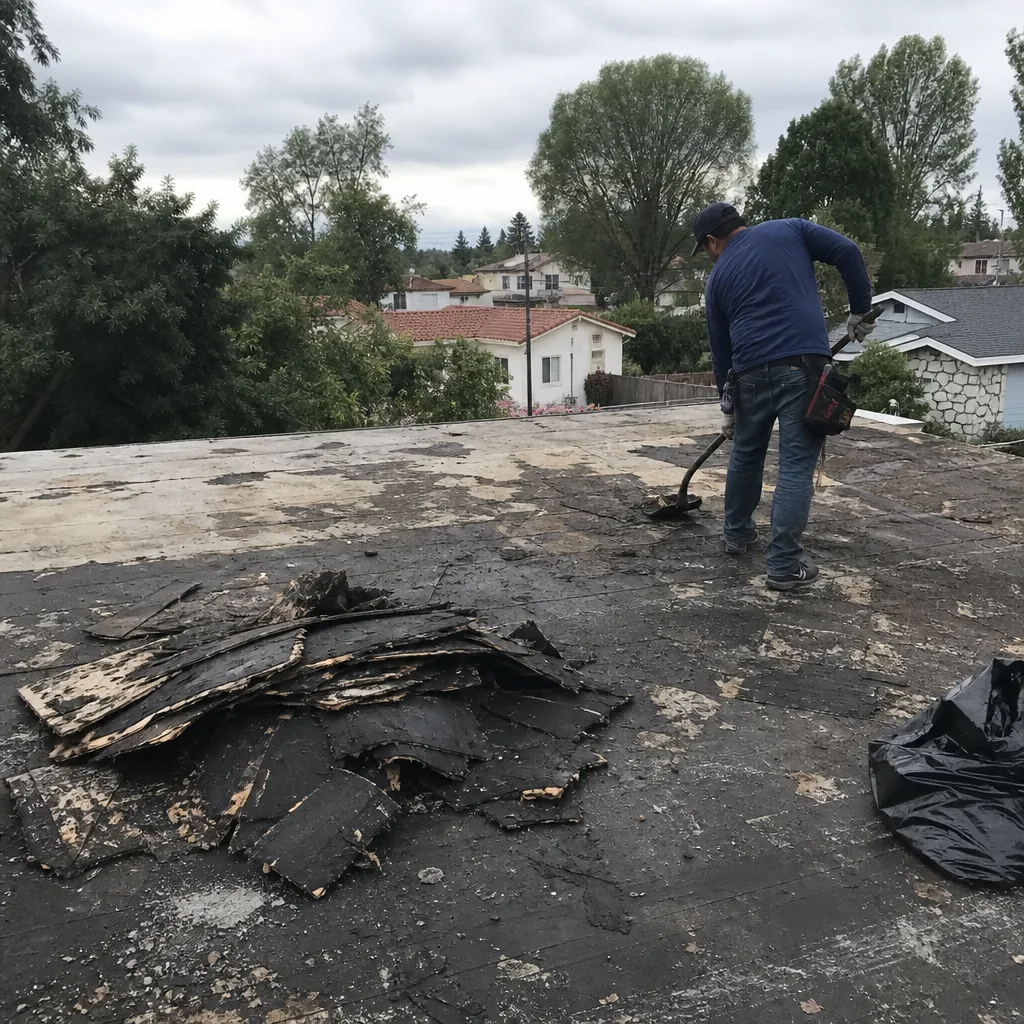
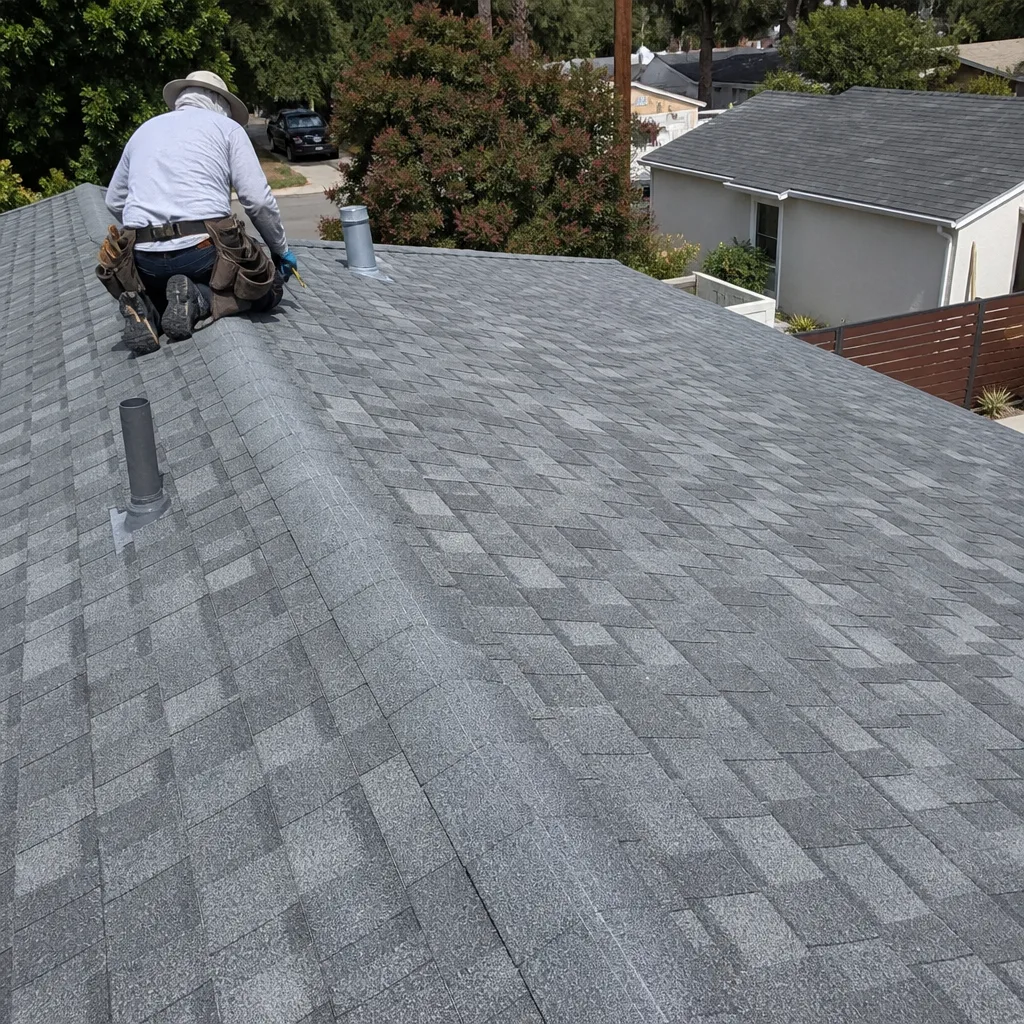
See the difference
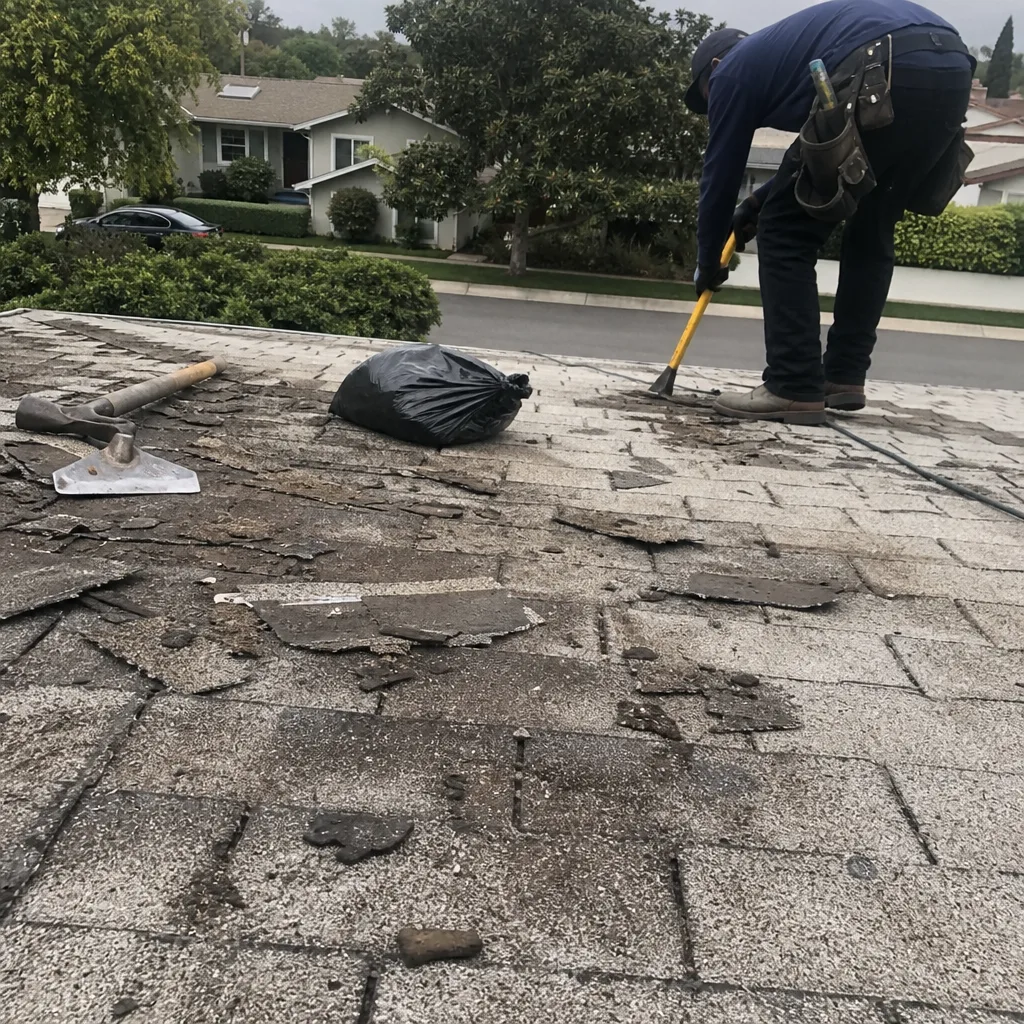 Before
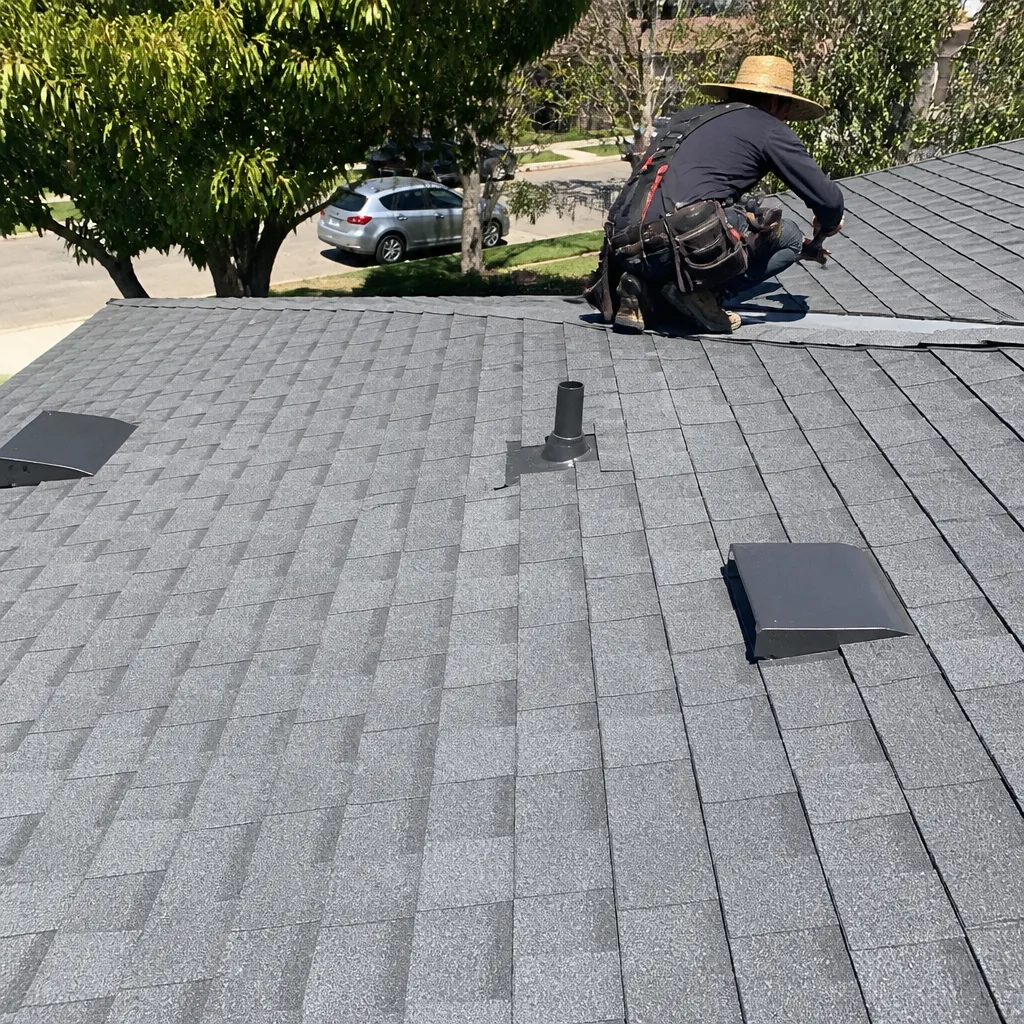 After
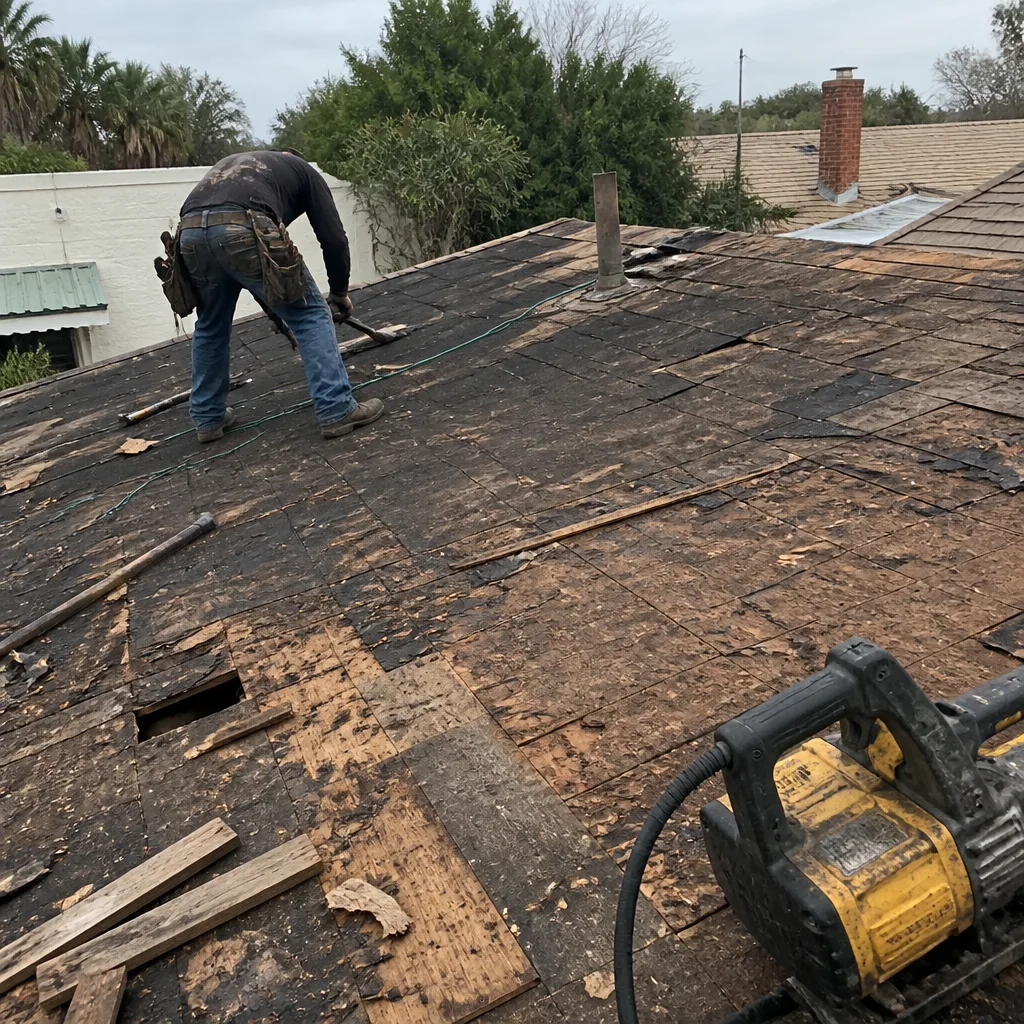 Before
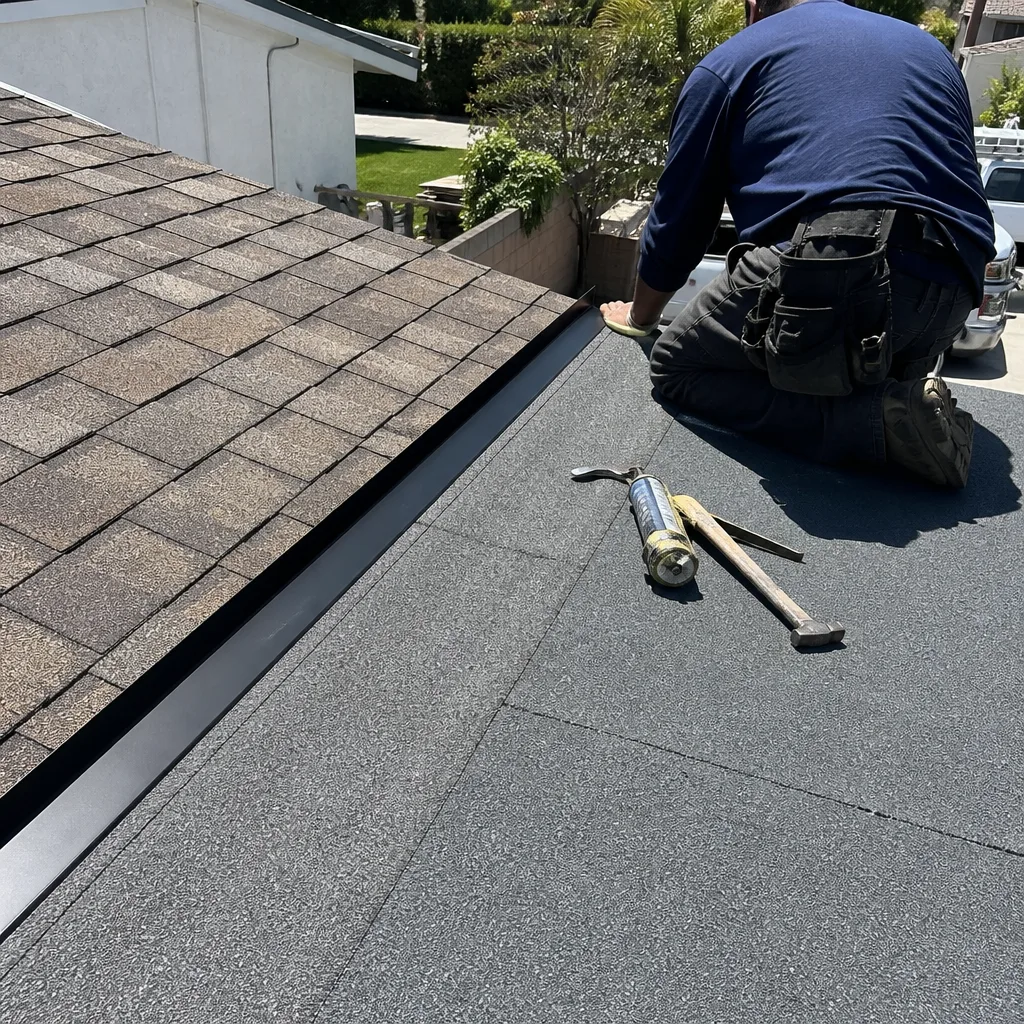 After
 Before
 After