Last updated October 31, 2026
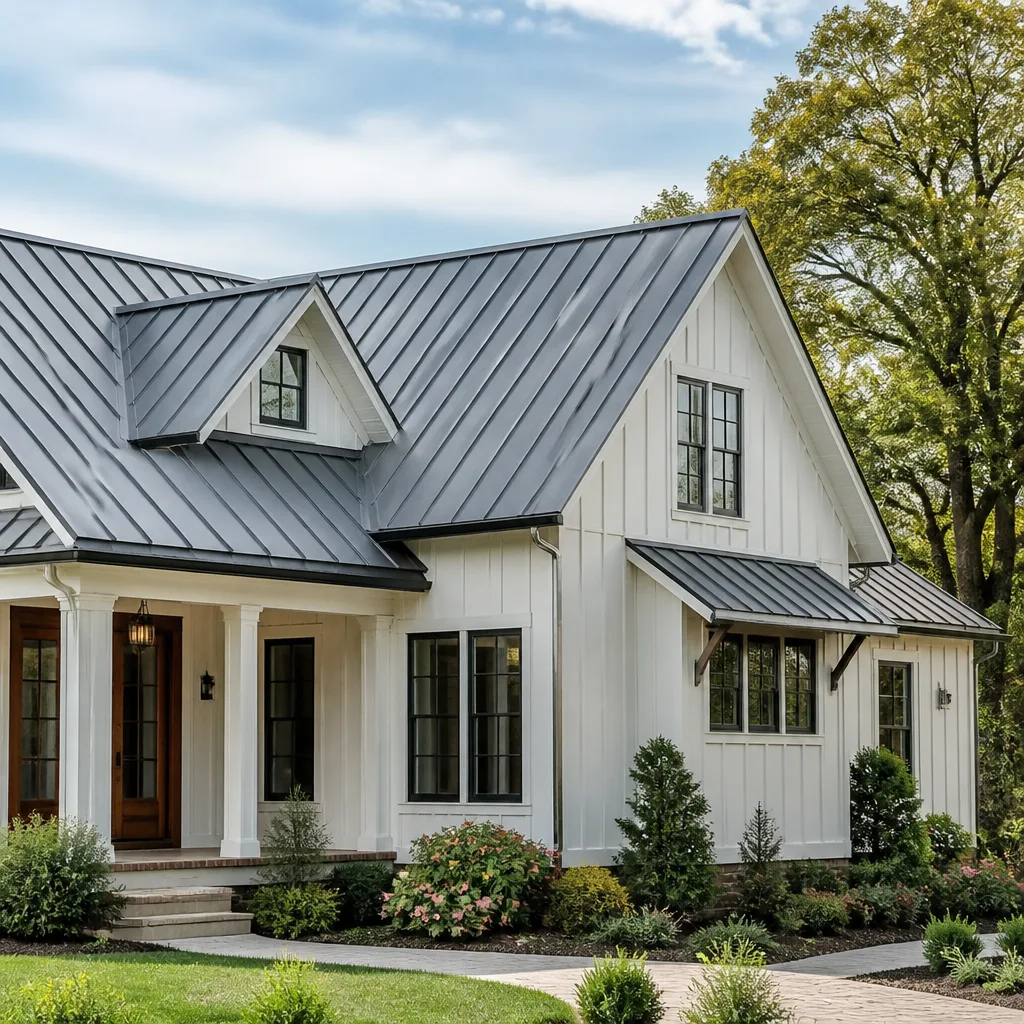 Metal roofing
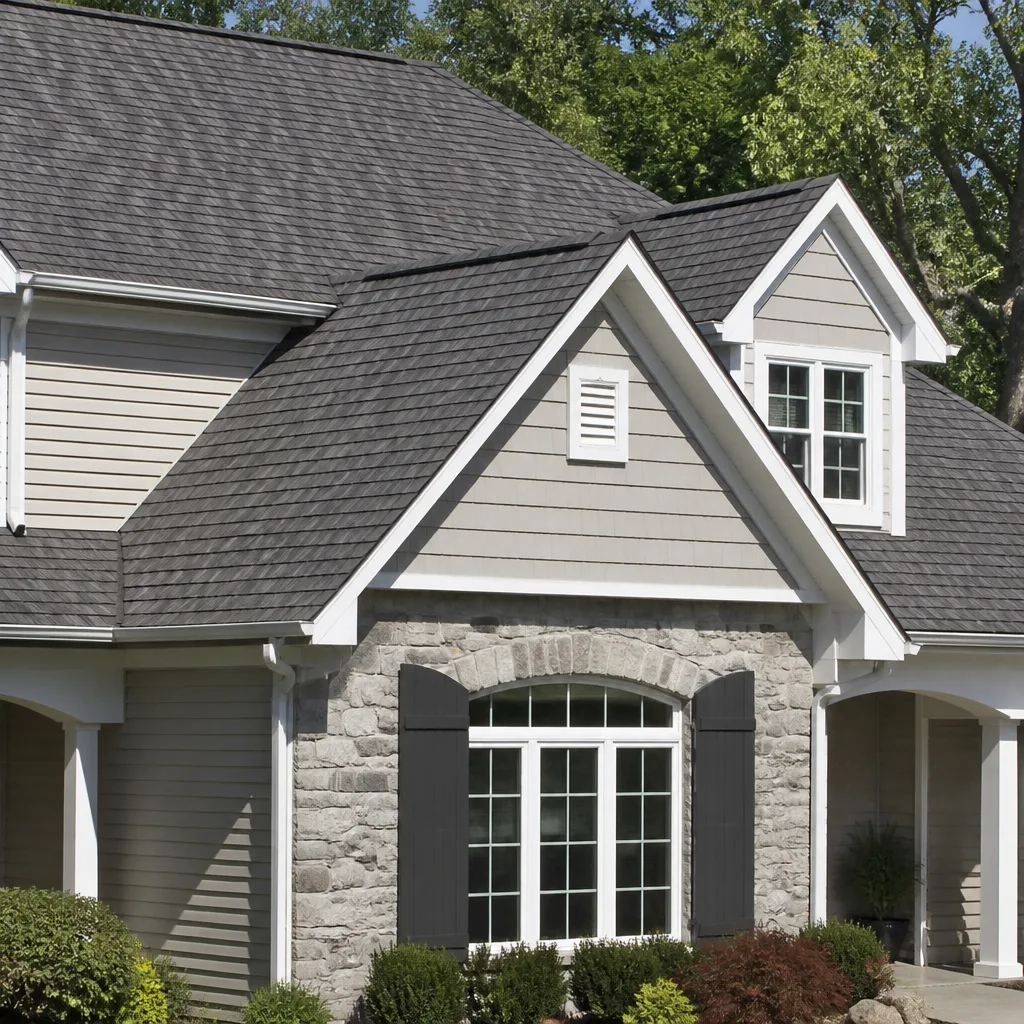 Architectural shingles
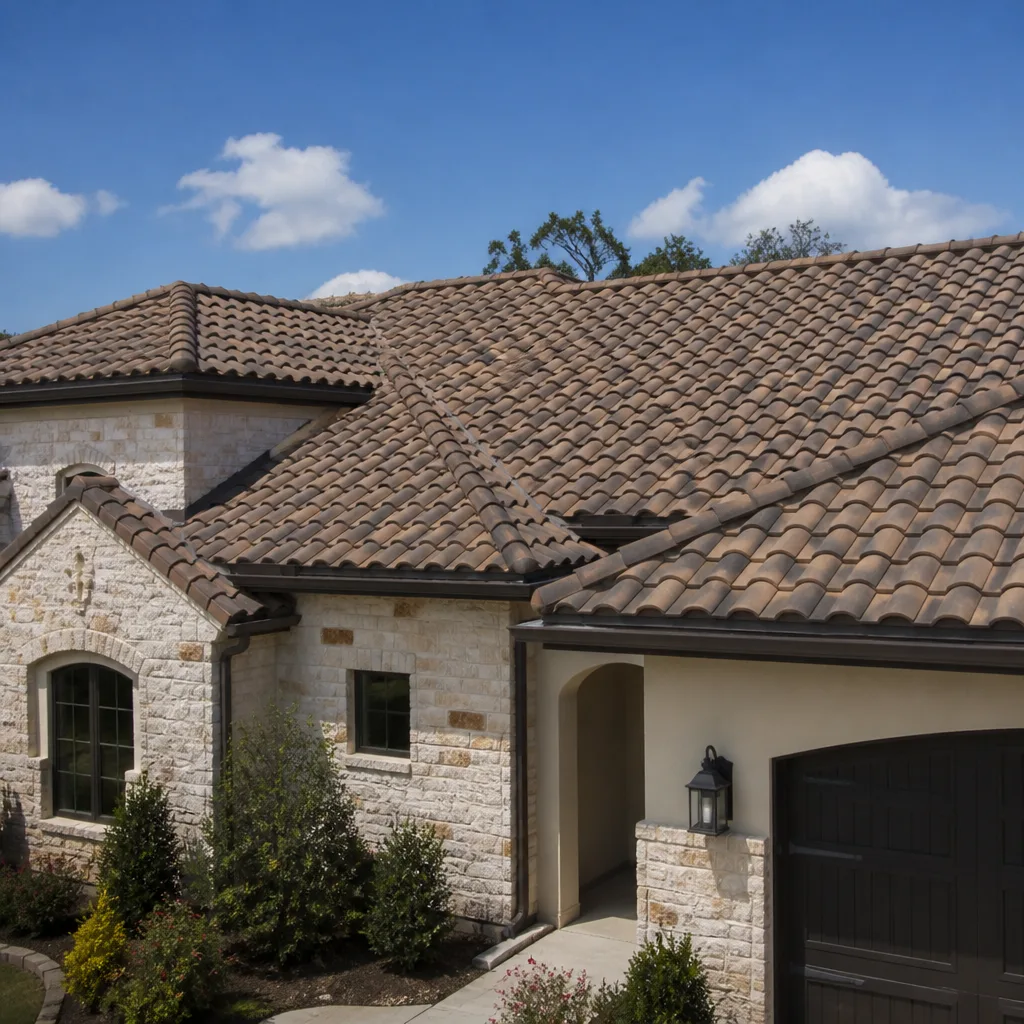 Tile roofing
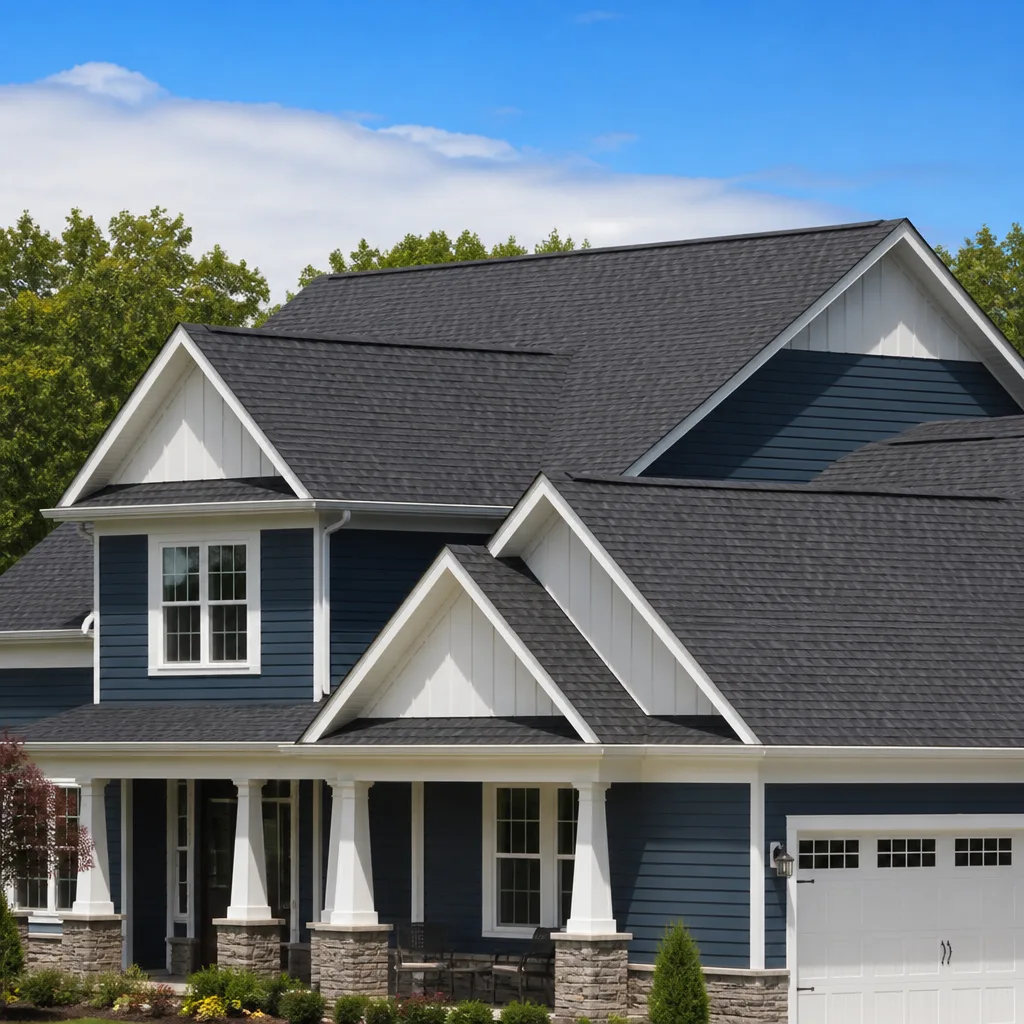 GAF
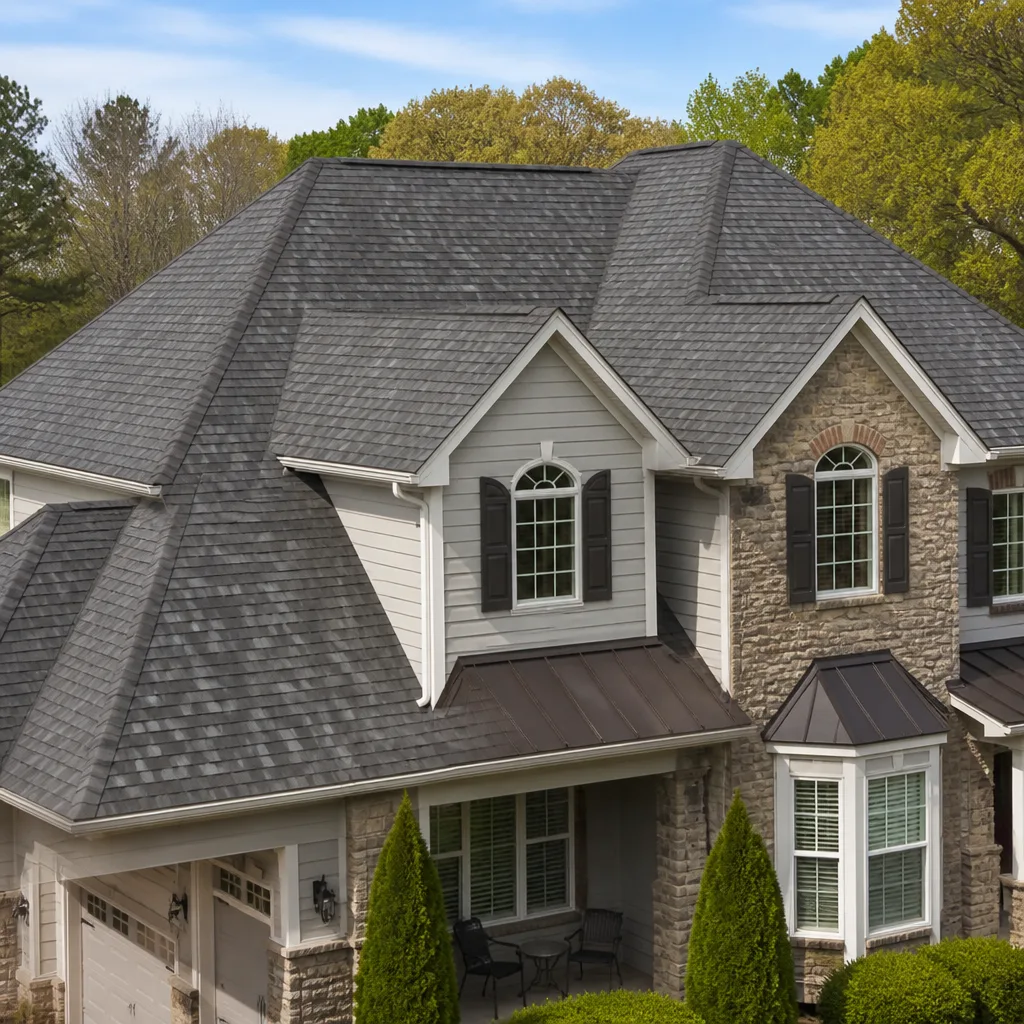 Owens Corning
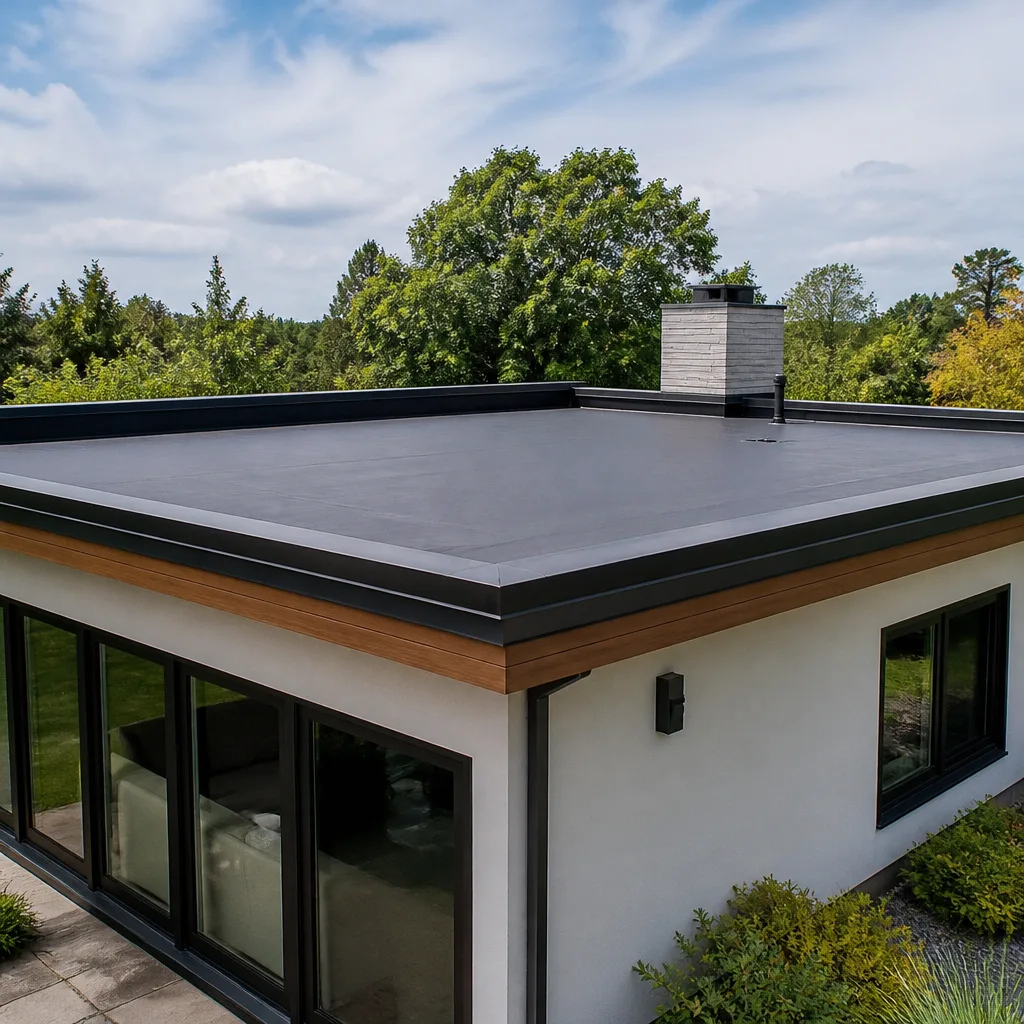 Flat & low-slope
Free roof inspection with deck photos before we talk money - GAF and Owens Corning certified installation
Choosing the Right Roofing Brand: A Buyer’s Guide for Hollywood
The roofing brand with the longest warranty isn’t necessarily the brand that performs best in a 65 mph Santa Ana wind event – and in Hollywood, that distinction is the one worth making. Most homeowners walk into a roofing decision thinking shingle color and price per square are the big variables. They aren’t. The variables that determine whether your roof survives the next decade are buried in technical specification sheets: how the brand achieves its Class A fire rating, what wind speed its products actually tested to, and how well the granules stay bonded under relentless UV exposure. This guide will walk you through those specs, how to compare the brands that matter in Hollywood’s climate, and the questions that separate a genuine material recommendation from a supplier incentive. For a deeper dive, see our The Complete Guide to Roofing in Hollywood.
Styles & brands we work with
Quick Answer
The right roofing brand for a Hollywood home depends on three performance factors: fire rating method, tested wind resistance, and granule adhesion under UV cycling. Brands like GAF and CertainTeed lead in premium architectural shingle performance, while Tamko and IKO offer strong value-tier options that meet California code. The best path is to match the brand to your home’s specific architecture and exposure, rather than defaulting to whichever manufacturer has the longest warranty.
Table of Contents
- The Three Performance Specs That Actually Matter in Hollywood
- How Manufacturer Warranties Differ in the Fine Print
- Why Multi-Brand Contractors Give Better Recommendations
- Matching Brands to Hollywood’s Housing Types
- Questions to Ask Before You Accept a Brand Recommendation
- How the Major Brands Compare on Hollywood-Relevant Specs
- Why Installation Quality Beats Brand Name Every Time
- Common Mistakes to Avoid
- When to Call a Professional
- Frequently Asked Questions
- The Bottom Line
The Three Performance Specs That Actually Matter in Hollywood
Roofing manufacturers spend millions marketing their warranty lengths and color palettes. Neither of those will matter when a Santa Ana wind event rips through the Hollywood Hills at 60 miles per hour, or when a brush fire pushes embers into your neighborhood. Here are the specs that determine real-world performance in this climate.
1. Class A Fire Rating: The Method Matters as Much as the Rating
Every major roofing brand advertises a Class A fire rating. What most homeowners don’t realize is that the method used to achieve that rating varies significantly between product lines. Some manufacturers achieve Class A performance through the shingle itself – the asphalt formulation and fiberglass mat are engineered to resist flame spread. Others rely on accessory underlayments or specific installation configurations to meet the standard. In Hollywood, where the wildland-urban interface puts entire neighborhoods at elevated fire risk, a shingle that achieves Class A on its own is a fundamentally different product than one that depends on a specific underlayment combination. Ask your contractor to show you the fire rating documentation for the exact product line they’re proposing, not just the brand’s marketing claim.
2. Wind Resistance: Tested Numbers Beat “Rated” Numbers
Manufacturers market wind warranties with phrases like “130 mph wind rating” or “wind warranty up to 110 mph.” The critical distinction is between what the product was tested to in laboratory conditions and what the warranty actually covers in a real storm. Santa Ana winds in the Hollywood Hills regularly produce gusts in the 60 to 75 mph range, with canyon-channeling effects that can accelerate wind speed dramatically on certain roof slopes and exposures. A shingle with a tested uplift resistance of 110 mph will behave differently when installed with six nails versus four, when applied over a properly sealed deck versus one with gaps, and when sealed under specific temperature conditions. We’ve seen roofs in the Hollywood Hills survive identical wind events with dramatically different outcomes based on installation details, not brand names.
3. Granule Adhesion Under UV Cycling
Hollywood’s sun exposure is relentless. A south-facing roof slope in this climate endures more annual UV radiation than most roofs in the country. Granule loss is the earliest visible sign of shingle degradation – those asphalt-colored patches on your roof aren’t cosmetic flaws, they’re the erosion of the shingle’s primary UV protection layer. Brand testing data on granule adhesion varies, and this is the spec least discussed in consumer marketing. Products from CertainTeed and GAF tend to show strong granule retention in independent testing, but the specific product line within the brand matters more than the brand name itself. When comparing options, ask for granule loss test data or at minimum, real-world aging examples in Southern California.
How Manufacturer Warranties Differ in the Fine Print
The phrase “lifetime warranty” appears on nearly every premium shingle sold in California. What “lifetime” actually means varies by manufacturer, product line, and – critically – whether you meet the fine-print requirements. Here is what to read before you sign anything.
Installation Requirements That Void Coverage
Every major brand requires specific installation practices for their warranty to remain valid. This includes the number of nails per shingle (typically four or six, depending on wind zone), the type of underlayment used, the ventilation configuration, and whether the contractor followed the manufacturer’s published installation specifications exactly. Deviations void coverage. In Hollywood’s accelerated wind zones, several brands require six-nail installation for their wind warranty to apply – a detail many homeowners only discover after a claim is denied.
Approved Contractor Lists and Their Limitations
Manufacturers like get to sell more product by certifying contractors as “preferred” or “certified” installers. These programs give the contractor access to extended warranty options, which is a legitimate benefit. But the approved contractor list also limits your choices – a contractor carrying a single brand’s certification has a financial incentive to recommend that brand for every job, regardless of fit. That’s not always the wrong answer, but it’s worth understanding the dynamic. When a contractor can install multiple brands, the recommendation reflects the home’s needs rather than the contractor’s program enrollment.
What “Lifetime” Actually Covers
In California, “lifetime” warranties are regulated to mean the lifetime of the original homeowner, subject to specific terms. Most lifetime warranties are pro-rated after an initial non-prorated period (typically 10 to 15 years for premium lines). The non-prorated period is the window during which the manufacturer covers full replacement cost. After that, coverage declines on a schedule. The labor cost of a warranty replacement is typically not covered at all. When comparing brands, the meaningful comparison is the length of the non-prorated period, not the word “lifetime” on the packaging.
Why Multi-Brand Contractors Give Better Recommendations
The structure of the roofing industry pushes contractors toward exclusivity. Manufacturers offer rebates, marketing support, and extended warranty access to contractors who install their products preferentially. From the manufacturer’s perspective, this makes sense. From the homeowner’s perspective, it creates a structural bias. When a contractor is financially and contractually tied to a single brand, every roof looks like that brand’s roof.
A contractor who carries relationships with multiple manufacturers – in our case, the seven major brands including GAF, CertainTeed, Owens Corning, IKO, Atlas, Tamko, and Boral – approaches material selection differently. The question becomes “What does this specific home need?” rather than “Which of our available products can we make work?” This distinction matters most in Hollywood, where the housing stock ranges from 1920s Spanish Colonial to 1960s mid-century to 1990s spec builds. No single brand has the optimal product for every roof profile in that range.
The practical benefit is genuine choice. A budget-conscious homeowner with a simple roof geometry gets a real Tamko or IKO option at a lower price point. A homeowner with a steep-slope hillside roof and severe sun exposure gets a GAF or CertainTeed product matched to those conditions. The recommendation is driven by the job, not by the contractor’s enrollment in a preferred installer program. For a deeper look at how material selection works in practice, see our guide to Roof Replacement in Hollywood.
Matching Brands to Hollywood’s Housing Types
Hollywood’s architectural landscape is unusually varied for a city of its size. Each housing type places different demands on roofing materials, and the brand that excels on one home type may be the wrong choice for another.
Spanish Colonial and Mediterranean Revival: Clay Tile and Tile Alternatives
The Spanish Colonial homes that define Hollywood’s older neighborhoods – think Hancock Park, Whitley Heights, and the historic districts near Hollywood Boulevard – were originally built with clay tile roofs. When those roofs reach end of life, homeowners face a choice: replace with authentic clay tile, which is heavy and expensive, or switch to a tile-look alternative. Boral produces concrete tile products that replicate the clay aesthetic at lower weight and cost, with solid fire performance. Their product lines specifically address the Southern California market with colors and profiles matched to the regional architectural vernacular. If the original clay tile is in repairable condition, targeted repair may extend the life significantly without full replacement – something we cover in our Roof Repair in Hollywood guide.
Mid-Century Flat and Low-Slope Roofs
The mid-century homes that proliferate in the Hollywood Hills and the neighborhoods south of the 101 present a different set of challenges. Low-slope and flat roof sections require membrane systems rather than shingles, and the transition points between flat and pitched sections are common failure locations. Architectural shingles from GAF and CertainTeed perform well on the pitched sections of these hybrids, but the flat sections demand a different material approach entirely. The critical factor is proper flashing and sealing at the transition – a detail that matters more than the brand name on either material.
Title 24 Cool Roof Compliance
California’s Title 24 energy code requires cool roof compliance for certain roof replacements in the state’s climate zones. Hollywood falls within climate zones where cool roof standards apply to low-slope residential roofs. This means the material on the low-slope sections of your roof must meet specific solar reflectance and thermal emittance values. Not all product lines from all brands meet these standards, and the compliant options vary by color – darker colors typically do not meet cool roof thresholds. Any contractor recommending a material for a cool-roof-required application should be able to show the CRRC (Cool Roof Rating Council) rating for the exact product and color being proposed.
Questions to Ask Before You Accept a Brand Recommendation
When a contractor recommends a specific brand, the questions you ask will quickly reveal whether the recommendation is driven by your needs or their supplier relationships. Here are the five questions that separate genuine expertise from sales positioning.
- “Why this brand for my specific roof?” – A genuine answer references your home’s slope, exposure, architecture, and ventilation. A weak answer references the brand’s general reputation or the contractor’s relationship with the manufacturer.
- “What’s the tested wind resistance for this exact product line?” – This should be a specific number from laboratory testing, not a marketing claim. If the contractor can’t produce the number, they haven’t actually compared options.
- “How does this product achieve its Class A fire rating?” – The answer should address whether it’s inherent to the shingle or dependent on underlayment and installation configuration. In Hollywood’s fire-risk zones, this distinction matters.
- “What other brands did you consider for my job, and why did you reject them?” – A multi-brand contractor will have a real answer. A single-brand contractor will struggle with this question, which tells you something in itself.
- “What does the warranty actually cover in years, not marketing language?” – Push for the non-prorated period, the labor coverage (if any), and the specific installation requirements that could void the warranty.
A contractor who answers these questions directly and with specifics is working from expertise. One who deflects toward warranty length or brand prestige is working from a sales script. This is also the moment to confirm you’re working with someone who handles the full roofing lifecycle – the same team that inspects should be able to repair or replace, with no gap in accountability. Our The Complete Roof Repair Guide for Hollywood Homeowners explains what to expect at each stage. That continuity matters when a material decision made at installation affects performance years later.
How the Major Brands Compare on Hollywood-Relevant Specs
This comparison focuses on the performance factors that matter most for Hollywood homes. Keep in mind that within each brand, specific product lines vary significantly – this is a directional comparison, not a substitute for evaluating the exact product being proposed for your roof.
- GAF – Premium architectural shingle lines with strong wind testing performance. Their Timberline series is widely installed in Southern California, with six-nail installation options for high-wind zones. Granule adhesion performance is solid, though less independently documented than some competitors.
- CertainTeed – The strongest granule retention reputation among major shingle brands, which matters on Hollywood’s sun-blasted south exposures. Their Landmark series offers Class A fire performance as a shingle-inherent characteristic on most lines. Wind testing numbers are competitive with GAF at similar price points.
- Tamko – Value-tier pricing with respectably tested wind performance. Their Heritage line is a common choice for budget-sensitive Hollywood homeowners who still want a dimensional shingle. Fire rating is typically achieved through system configuration rather than shingle-inherent performance, so underlayment choice matters more.
- IKO – Another strong value option with a range of architectural shingle lines. IKO’s wind testing includes some products rated for high-wind zones at competitive price points. Granule adhesion data is less consistently available than premium brands.
The takeaway here is not “buy GAF” or “buy CertainTeed.” The right answer depends on your roof’s specific geometry, exposure, and your budget. That’s exactly why working with a contractor who carries all of these brands – and can recommend across them without financial bias – produces a better material decision than being locked into a single manufacturer’s product line.
Why Installation Quality Beats Brand Name Every Time
Here is the uncomfortable truth of the roofing industry: a perfectly installed value-tier shingle will outperform a premium shingle installed incorrectly. The best material in the world fails at the nail line, at the flashing transition, at the valley detail, or at the ventilation configuration if those elements aren’t done right. In Hollywood’s specific climate conditions – high UV exposure, Santa Ana wind events, and fire-risk zones – installation details are amplified in importance. Before attempting any work yourself, read our DIY vs Professional Roofing: The Hollywood Homeowner’s Decision Guide.
This is why the contractor choice and the brand choice are inseparable. The same shingle installed with six nails versus four performs differently in a wind event. The same underlayment applied over a properly sealed deck versus one with moisture penetration performs differently over a decade. The same ridge vent installed with correct airflow calculations versus rule-of-thumb guesswork performs differently for the life of the roof. When you’re evaluating a roofing quote, the brand on the shingle wrapper is the easiest thing to compare. The installation specification behind it is what actually determines the outcome.
For a full discussion of how installation quality affects long-term roof performance, start with our guide to Roof Inspection in Hollywood – the inspection is where installation problems become visible, often years before they become leaks.
Common Mistakes to Avoid
- Choosing by warranty length alone. A lifetime warranty with a 10-year non-prorated period is often less valuable than a 30-year warranty with a 15-year non-prorated period. Read the proration schedule, not the headline.
- Assuming Class A fire rating means the same thing across brands. The method of achieving the rating varies. In Hollywood’s fire-risk zones, look for shingle-inherent fire performance rather than system-dependent ratings.
- Ignoring the installation specification requirement. Warranty coverage depends on specific nail patterns, underlayment types, and ventilation configurations. If your contractor doesn’t document these details, your warranty may be worthless.
- Accepting a single-brand recommendation without question. If your contractor only installs one manufacturer’s products, they’re not making a recommendation – they’re making a sale. Ask the “why this brand for my roof” question and listen for specifics.
- Prioritizing color over performance specs. The shingle color you love won’t matter if the granules are washing into your gutters in year eight. Match the performance spec to your conditions first, then choose from the colors available in that product line.
- Skipping the pre-installation inspection. Material selection assumes the deck and ventilation system underneath are sound. A thorough inspection before replacement surfaces issues that would undermine any brand choice.
- Comparing quotes on price alone. Two quotes for “architectural shingles” can differ by thousands of dollars because they’re specifying different brands, different product lines, different underlayments, and different installation standards. Compare line items, not bottom lines.
When to Call a Professional
If your roof is approaching 15 to 20 years old in Hollywood’s climate, if you’re seeing granule accumulation in your gutters, if you notice curling or lifting shingles after wind events, or if you’re planning a replacement and want honest guidance on material selection across multiple brands, it’s time to talk to someone who works with roofs every day. The brand decision is easier when you have an inspection report in hand that documents your roof’s actual condition – deck integrity, ventilation performance, existing material type, and the specific issues that will drive your replacement material requirements. Hollywood Roofing Co offers free estimates in Hollywood – call (833) 589-7971 to schedule yours. In the meantime, browse our more guides & resources on roofing in this climate.
Frequently Asked Questions
There is no single best brand – the right choice depends on your home’s architecture, slope, sun exposure, and budget. Premium brands like GAF and CertainTeed offer the strongest tested performance on wind and granule retention, while Tamko and IKO provide solid value-tier options that meet California code. The more valuable question is which brand and product line match your specific roof’s conditions.
Premium architectural shingles from GAF and CertainTeed typically run 15 to 30 percent higher per square than value-tier options from Tamko or IKO, depending on the specific product line. For a typical Hollywood home, that translates to a meaningful difference in total project cost. The performance difference is real but concentrated in specific areas – wind resistance and granule retention – that matter more on exposed hillside roofs than on protected flat sites. Call (833) 589-7971 for a specific material comparison on your roof.
Yes, and especially for homes in the hillside and canyon areas where the wildland-urban interface creates elevated fire risk. But the rating alone doesn’t tell the full story – ask how the rating is achieved. Shingle-inherent Class A performance is more robust than ratings that depend on specific underlayment combinations, because the fire resistance remains even if installation details vary.
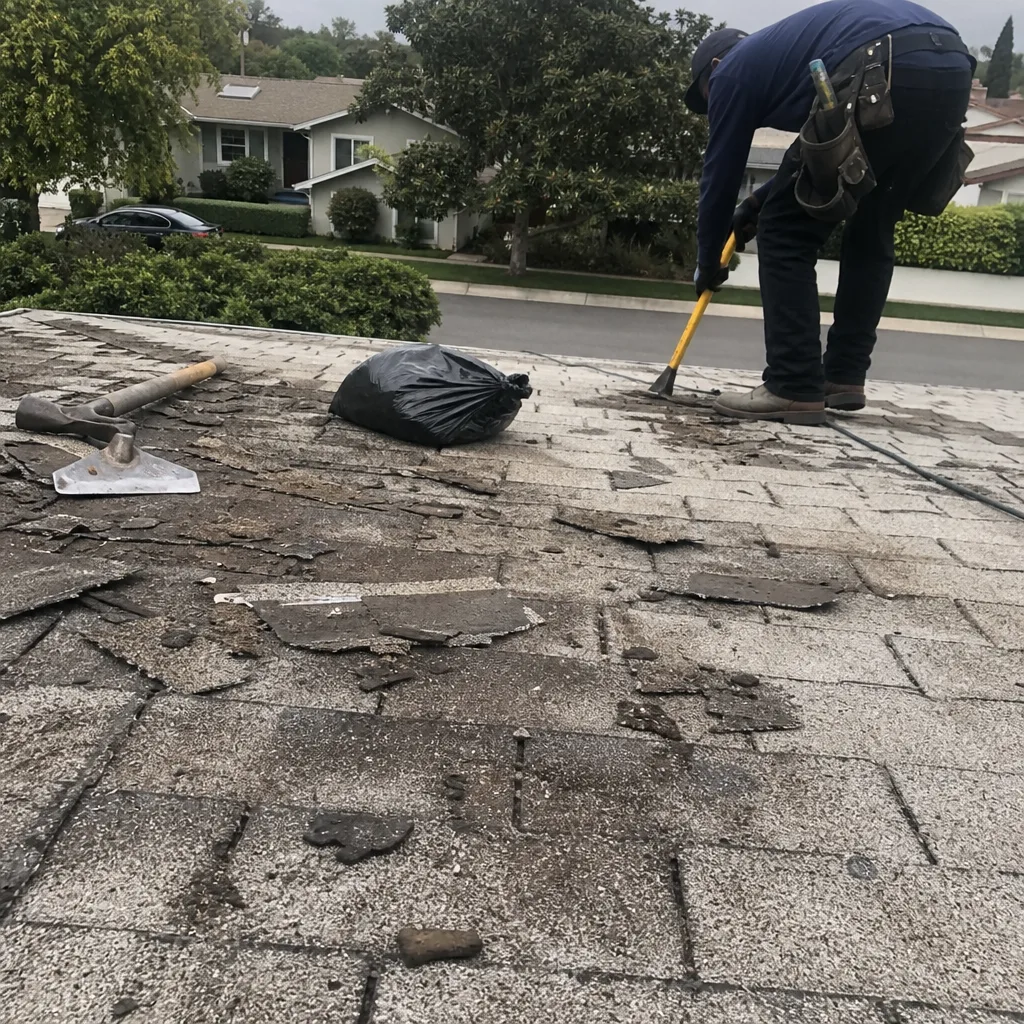
With a reputable contractor using a written line-item quote, the price should not change unless the tear-off reveals conditions that couldn’t be seen beforehand – rotted decking and failed ventilation are the most common. Those findings should be documented with photos and explained before any change order is approved. Ask about this process before you sign.
A properly installed architectural shingle roof from a major brand should last 25 to 30 years in Hollywood’s conditions, with the south-facing slopes degrading faster due to UV exposure. Granule retention is the key variable – when you see consistent granule loss, the shingles’ protective layer is failing even if the roof isn’t leaking yet. An inspection at the 15-year mark is the best way to catch issues before they become structural.
Yes. Boral’s concrete tile lines are specifically designed to match the profiles and colors of historic clay tile, at roughly half to two-thirds the weight. The visual match is close enough that most homeowners can’t distinguish the replacement from the original. If the existing clay tile is still structurally sound, targeted repair may be a better value than full replacement – call (833) 589-7971 for an honest assessment.
The Bottom Line
Choosing a roofing brand for your Hollywood home comes down to three performance specs – fire rating method, tested wind resistance, and granule adhesion – filtered through the specific demands of your home’s architecture and exposure. Not all lifetime warranties are created equal, not all Class A fire ratings are earned the same way, and not all contractor recommendations are unbiased. The contractor who carries multiple brands and can explain why one product line fits your specific roof is the one worth trusting. Seven leading brands. One honest recommendation. That’s the standard to hold out for.
If you’re ready to see how the material options compare on your actual roof, start with an inspection or consultation. Our team works across all seven major brands – GAF, CertainTeed, Owens Corning, IKO, Atlas, Tamko, and Boral – which means the recommendation you get is matched to your home, not to a supplier program. Learn more about our approach at the Hollywood Roofing Co home page, or call (833) 589-7971 to talk through your project.
Written by the team at Hollywood Roofing Co, serving Hollywood since 2016.
See the difference
 Before
 After
 Before
 After
 Before
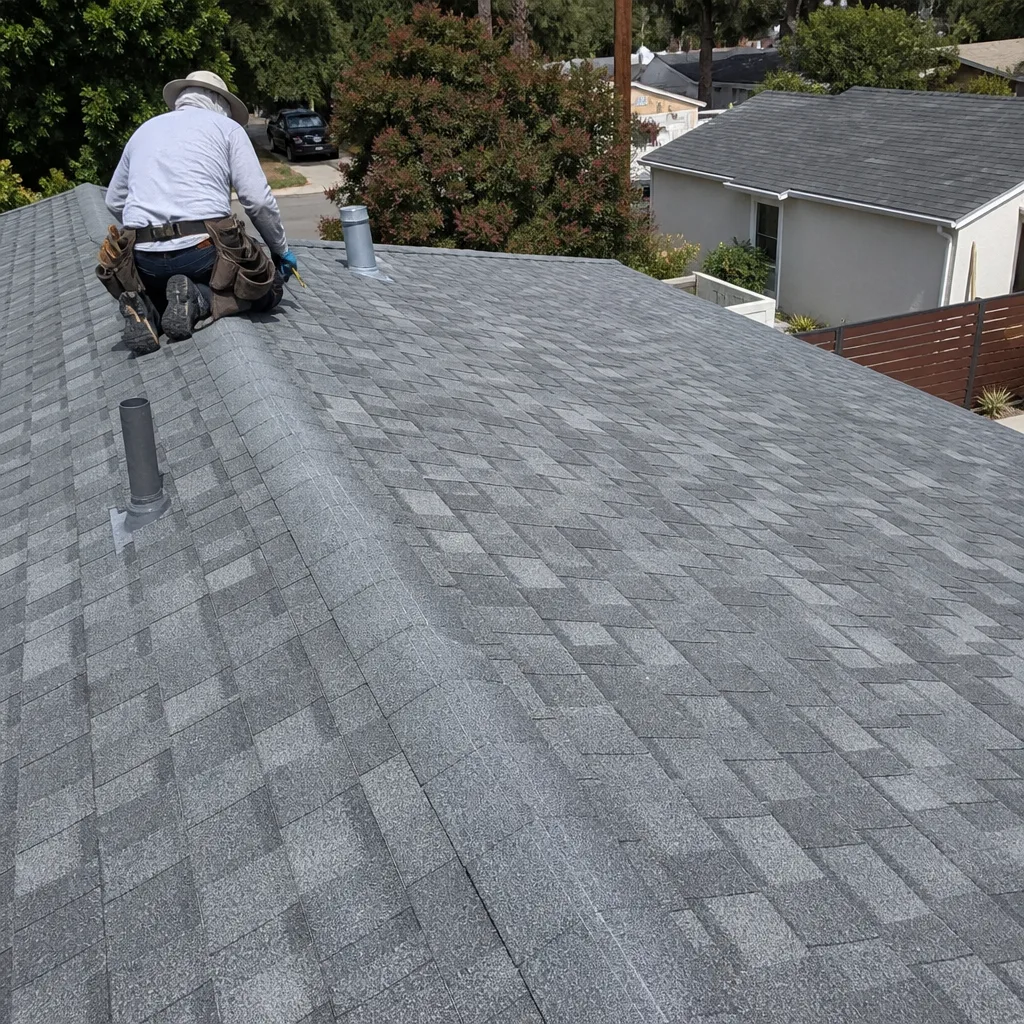 After