Last updated October 31, 2026
 Metal roofing
 Architectural shingles
 Tile roofing
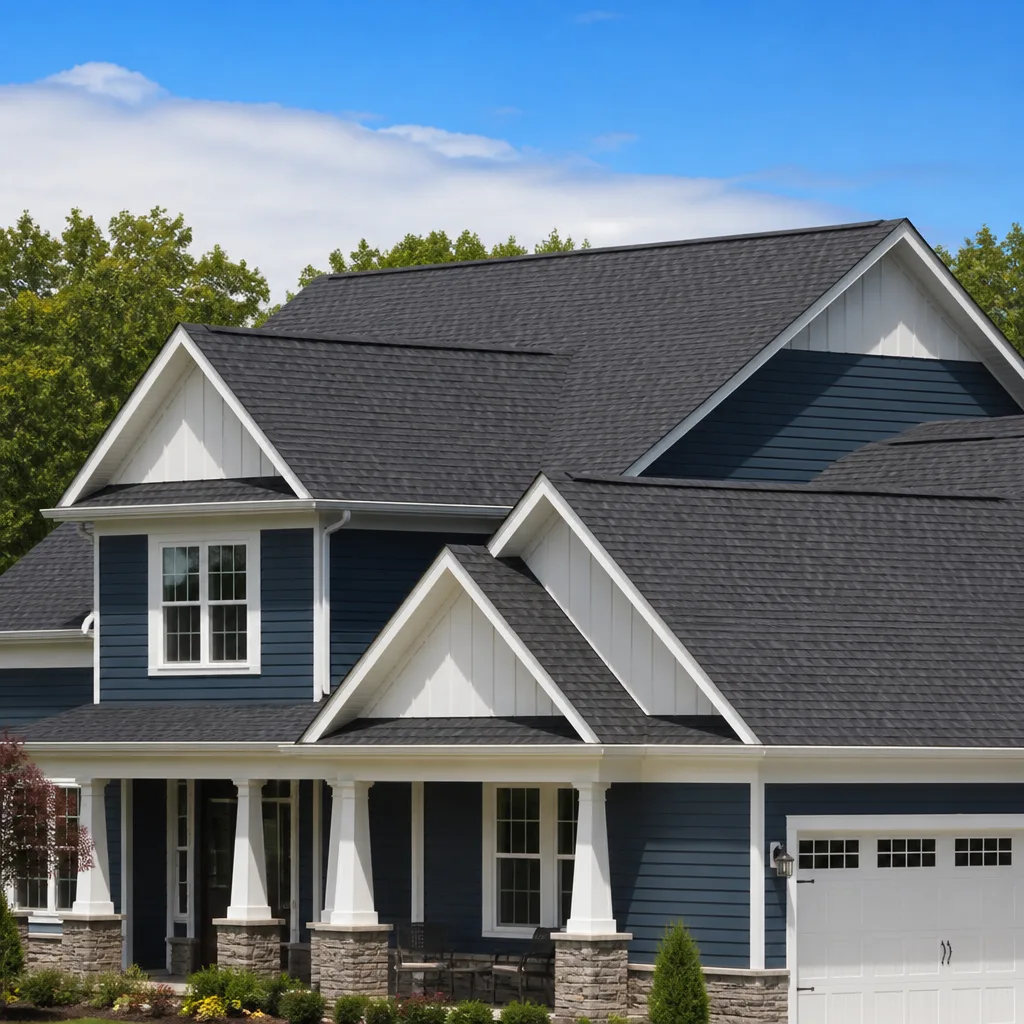 GAF
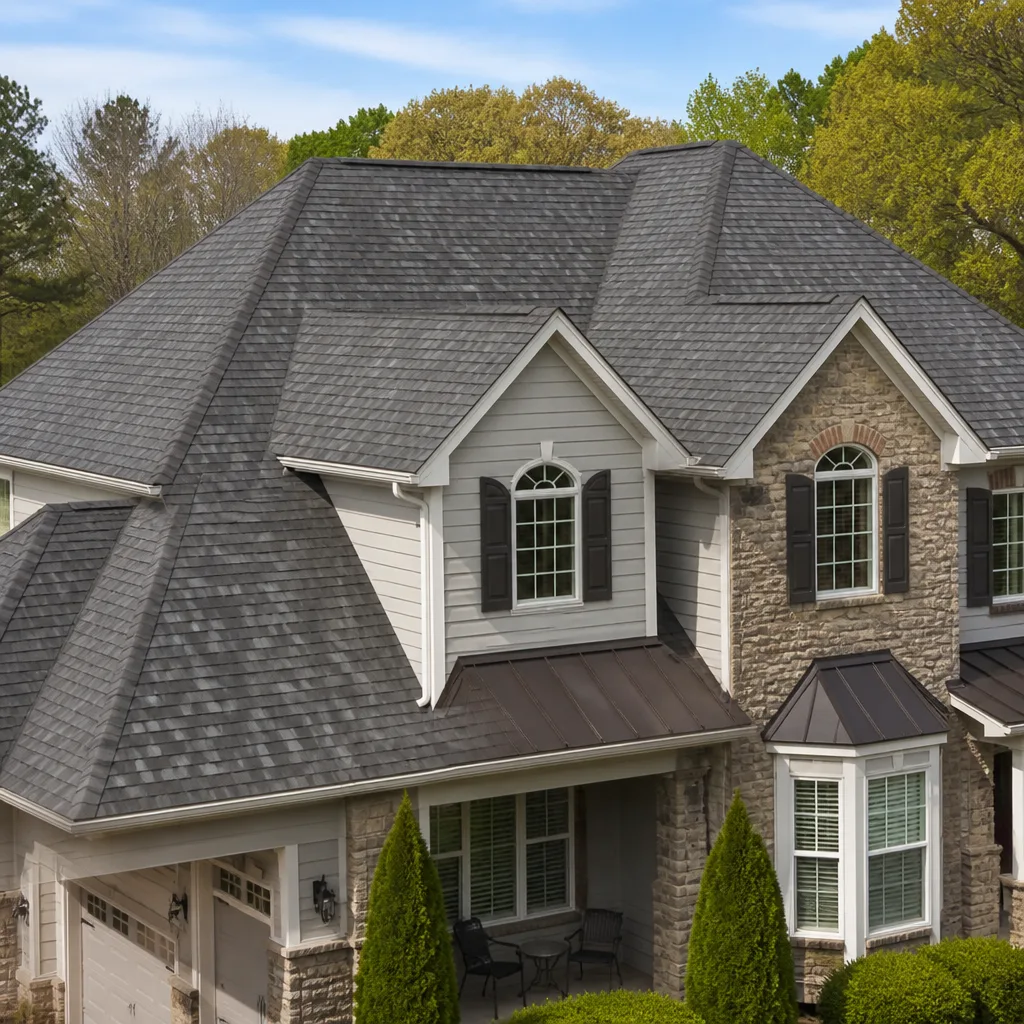 Owens Corning
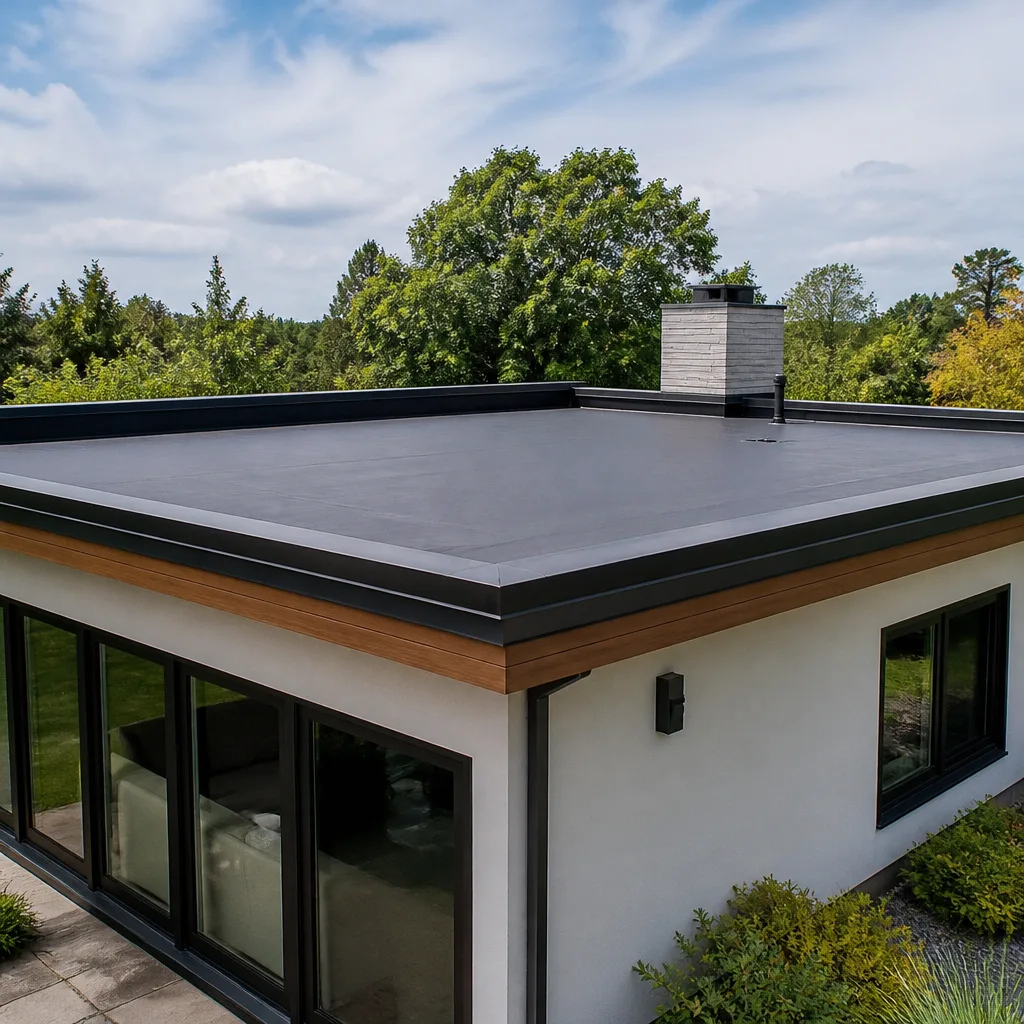 Flat & low-slope
Free roof inspection with deck photos before we talk money - GAF and Owens Corning certified installation
The Complete Guide to Roofing in Hollywood
Most roofing guides written for “Southern California” are actually written for the Inland Empire. Hollywood sits two miles from the ocean and 1,600 feet above sea level on the same ridge, and those two facts change almost every material and installation decision a homeowner will make. This guide explains what actually matters for a roof in Hollywood specifically: the coastal air that eats certain fasteners, the Santa Ana winds that test ridge lines, the hillside lots that turn drainage into an engineering problem, and the architectural stock that makes a flat roof on a 1950s post-and-beam very different from a clay tile roof on a 1920s Spanish Colonial Revival. By the time you finish, you’ll understand why roofing in Hollywood costs what it costs, lasts as long as it lasts, and how to make informed decisions at each stage of your roof’s life—or explore more guides & resources for ongoing maintenance.
Styles & brands we work with
Quick Answer
A roof in Hollywood faces a unique combination of salt-adjacent coastal air, extreme wind events, and hillside drainage demands that flatland roofing guides never address. The most reliable approach is a full-lifecycle strategy: schedule a standalone roof inspection every two to three years, address targeted repairs while the roof has at least 30 percent of its service life remaining, and plan for replacement only when material deterioration is widespread or the decking shows structural compromise. For a deeper breakdown, see The Complete Roof Repair Guide for Hollywood Homeowners. Expect to spend $350 to $700 for a documented inspection, $600 to $3,500 for typical repairs, and $12,000 to $45,000+ for a full replacement, depending on the material, roof geometry, and whether you live in the flats or the hills.
Table of Contents
- Section 1: Why Hollywood Is Its Own Roofing Environment
- Section 2: Hillside vs. Flatlands: What Actually Changes
- Section 3: Who Governs Your Roof: L.A. County vs. City of Hollywood
- Section 4: Hollywood Housing Stock and What It Does to a Roof
- Section 5: Title 24, Cool Roofs, and HOA Aesthetic Rules in Historic Zones
- Section 6: The Full-Lifecycle Cost Model: Inspect, Repair, Replace
- Section 7: Choosing Materials for a Hollywood Roof
- Section 8: The Hollywood Homeowner’s Roof Maintenance Manual
Why Hollywood Is Its Own Roofing Environment
Hollywood is not a desert. It’s not a beach town. It’s a narrow band of ridges and canyons between the Pacific Ocean and the Los Angeles Basin, and that position creates a roofing environment with contradictions built in. The same week can bring morning marine layer dense enough to leave a roof slick at noon, followed by a dry offshore wind event with gusts over 50 mph by evening. Roofs in Hollywood get more moisture exposure than most of L.A. without the consistent rainfall that would justify heavy waterproofing approaches used in wetter climates. That in-between condition is what makes material selection here so specific.
We’ve inspected hundreds of roofs in Hollywood, and the pattern is consistent. The south-facing slopes on hillside homes get brutalized by UV. The north-facing slopes stay damp longer in the mornings and grow more biological buildup. Flat roofs on mid-century homes in the flats collect fine debris and hold it through the dry season, creating exactly the kind of trapped moisture that accelerates membrane breakdown. A roof in Beachwood Canyon and a roof on Melrose Avenue might be three miles apart, but they are functionally different structures, and a material or installation detail that works on one can fail on the other.
This guide from Hollywood Roofing Co home covers the factors that actually determine roof performance in this specific environment, because generic Southern California advice won’t get you there.
The Three Forces That Define Hollywood Roofing
- Coastal air without coastal rainfall: Hollywood’s proximity to the Pacific means airborne salt and consistent morning condensation. Salt accelerates corrosion on exposed fasteners, flashing, and metal components. Condensation feeds moss and algae on shaded slopes. Neither factor exists to this degree in Pasadena or Glendale.
- Santa Ana winds as a design condition: Wind-driven debris, uplift along ridge lines, and sandblasting on exposed slopes are annual occurrences, not rare events. Hollywood hillside homes catch the full force because the canyons funnel wind rather than block it.
- Hillside drainage as a structural problem: When a home sits on a slope, water doesn’t just fall onto the roof. It comes down the hill behind it, flows along foundation lines, and concentrates at downspout discharge points. Roof drainage on a hillside Hollywood home has to work as part of a larger water management system.
Hillside vs. Flatlands: What Actually Changes
The difference between a roof in the Hollywood Hills and a roof three miles south is not a matter of preference. It’s a matter of physics. Higher elevation means more direct UV exposure. Hillside lot geometry means wind hits roofs at angles flatland roofs never experience. And the drainage dynamics of a sloped lot put demands on gutters, flashing, and underlayment that a Melrose Avenue bungalow simply doesn’t face.
Elevation and UV Load
Every 1,000 feet of elevation increases UV intensity by roughly 4 to 5 percent due to reduced atmospheric filtering. A home at 1,600 feet in the Hollywood Hills receives measurably more ultraviolet radiation than a home at 350 feet in the flats. Over 20 years, that difference shows up in shingle granule loss, membrane cracking, and sealant degradation. Hillside roofs in Hollywood age faster on their south and west exposures, and the aging is not uniform across the roof plane.
Wind Behavior in the Canyons
Santa Ana winds move through the Hollywood Hills differently than they move across the L.A. Basin. The canyons compress and accelerate wind, and homes sitting on ridges or at canyon mouths can experience gusts 15 to 25 percent higher than reported at weather stations in the flats. What this means practically: ridge cap shingles get lifted. Flashing at roof-to-wall intersections gets worked loose. Debris from overhanging trees and neighboring hillsides ends up on the roof. Any roof on a hillside in Hollywood should have the ridge cap inspected after each significant Santa Ana event, because that’s where failure begins.
Drainage on a Slope
A flatland roof can tolerate a poorly placed downspout. A hillside roof cannot. When a home on a Hollywood hillside channels roof runoff to a single discharge point at the base of the lot, the concentrated water erodes soil, undermines retaining walls, and eventually finds its way into foundations. We’ve repaired roof leaks that turned out to originate not in the roof membrane but in the drainage path below it. Hillside roofs need distributed drainage, properly sized gutters relative to the roof area above them, and discharge points that carry water well clear of the structure.
For more detail on how these conditions affect repairs specifically, see our page on Roof Repair in Hollywood.
Who Governs Your Roof: L.A. County vs. City of Hollywood
One of the most confusing aspects of roofing in Hollywood is jurisdictional. Hollywood is not an incorporated city. It is a neighborhood within the City of Los Angeles, which means most Hollywood addresses fall under the Los Angeles Department of Building and Safety (LADBS) for permitting and code enforcement. But some addresses in the broader Hollywood area, particularly in unincorporated pockets, fall under Los Angeles County jurisdiction instead. The split matters because permitting requirements, inspection processes, and enforcement can differ between the two.
For the majority of Hollywood homeowners, the governing authority is LADBS. Roof replacement and major roof repairs in the City of Los Angeles require a permit, and the permit requires an inspection. A legitimate roofing contractor will pull the permit, schedule the inspection, and make sure the work passes before calling the job complete. If you’re evaluating candidates, our guide on How to Hire a Roofing Contractor in Hollywood: A Step-by-Step Guide covers what to verify. Any contractor who suggests skipping the permit on a full replacement is asking you to carry the liability for unpermitted work, which becomes your problem when you sell the home or file an insurance claim.
What a Permit Actually Requires in Hollywood
- Submission of a roof plan or specification sheet identifying materials, layers, and fastening details.
- Compliance with Title 24 energy standards, including cool roof requirements where applicable (covered in Section 5).
- Inspection of the roof deck after the old roof is removed and before the new material goes down.
- Final inspection after installation is complete, including verification of flashing, drainage, and material installation.
The cost of a roof permit in Los Angeles is generally calculated based on the project valuation, and for a typical single-family roof replacement, it typically lands in the range of $300 to $800. It’s not a meaningful line item on a five-figure project, and skipping it creates a liability that far exceeds its cost.
Hollywood Housing Stock and What It Does to a Roof
Hollywood’s architectural history spans from 1920s Spanish Colonial Revival courtyard buildings to 1950s mid-century modern post-and-beam homes to 1980s hillside stucco boxes. Each architectural era imposes different demands on a roof, and understanding what your home’s design asks of its roof is the first step toward making the right replacement or repair decision. Before committing to a DIY patch, consider DIY vs Professional Roofing: The Hollywood Homeowner’s Decision Guide.
Spanish Colonial Revival and Mediterranean (1920s-1930s)
These homes typically feature low-pitch or flat roofs with parapet walls, clay or concrete tile as the dominant material, and complex roof geometry with multiple intersecting planes. The challenges are specific: parapet flashing failures at wall-to-roof transitions, cracked or displaced tile at valleys and hips, and the sheer weight of tile requiring a roof structure built to carry it. Tile roofs on these homes often last 50 years or more, but the underlayment beneath the tile fails much sooner, typically in 20 to 30 years. The mistake many homeowners make is assuming that w
See the difference
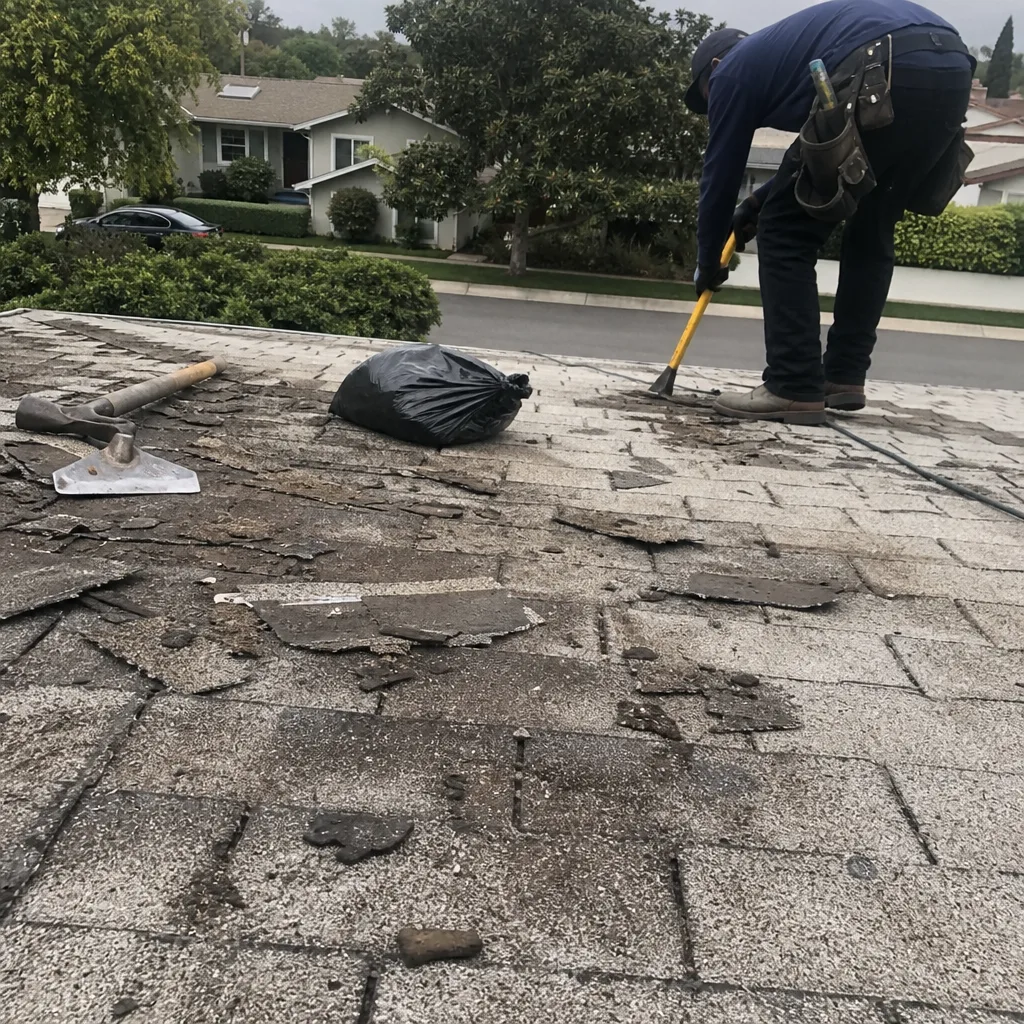 Before
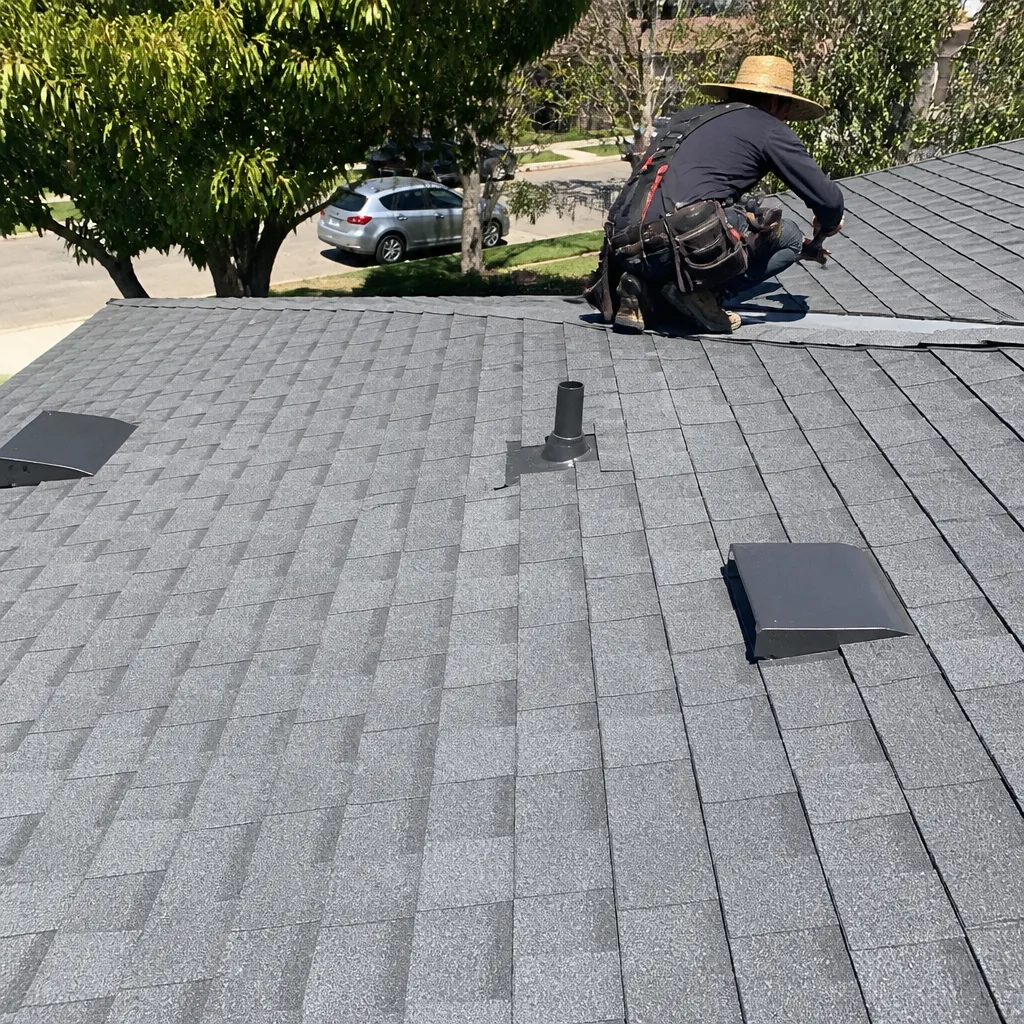 After
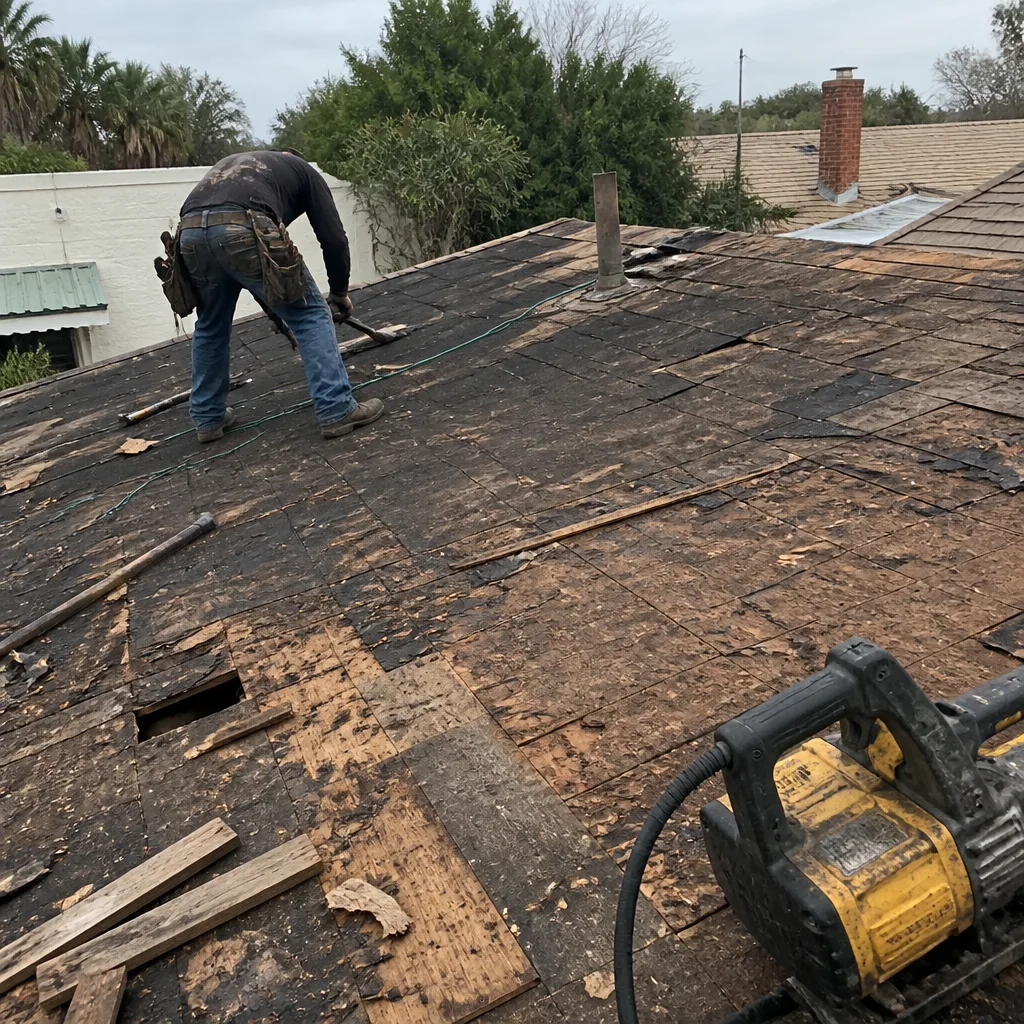 Before
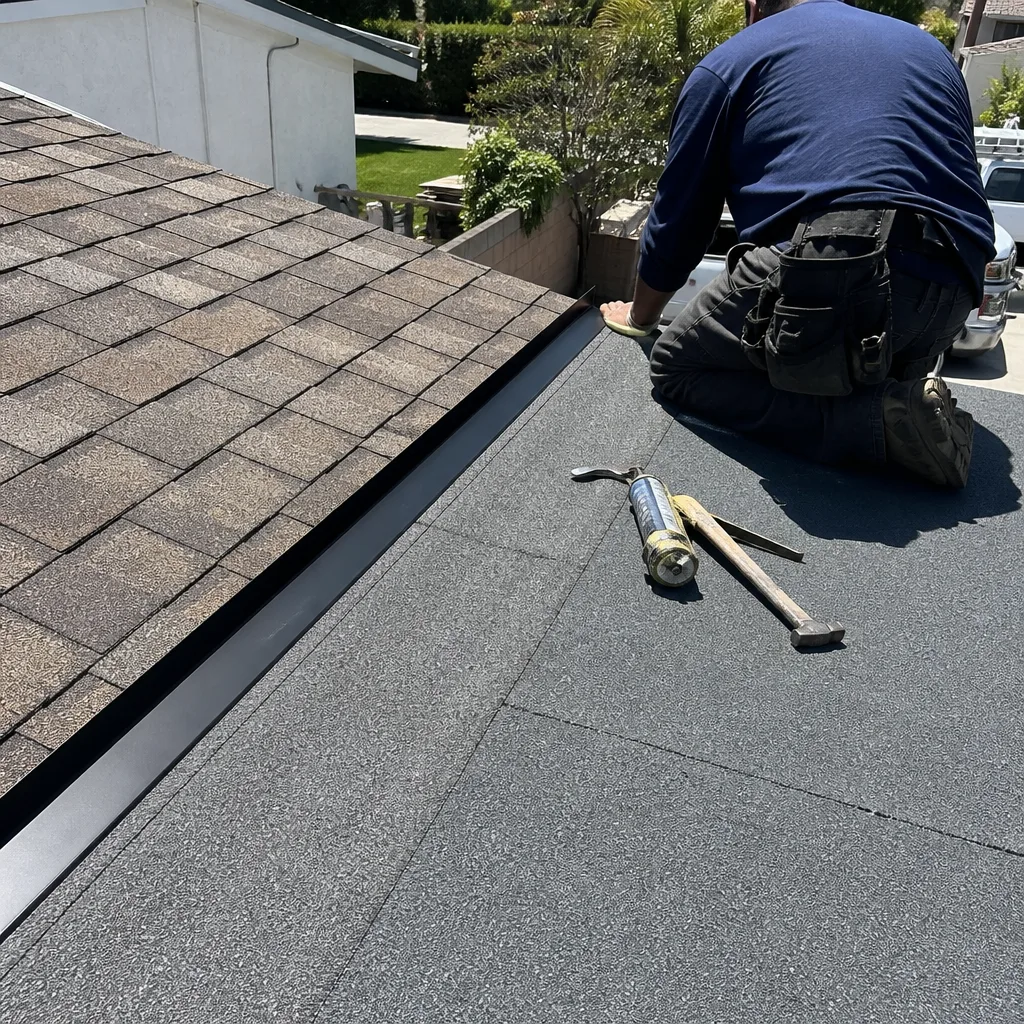 After
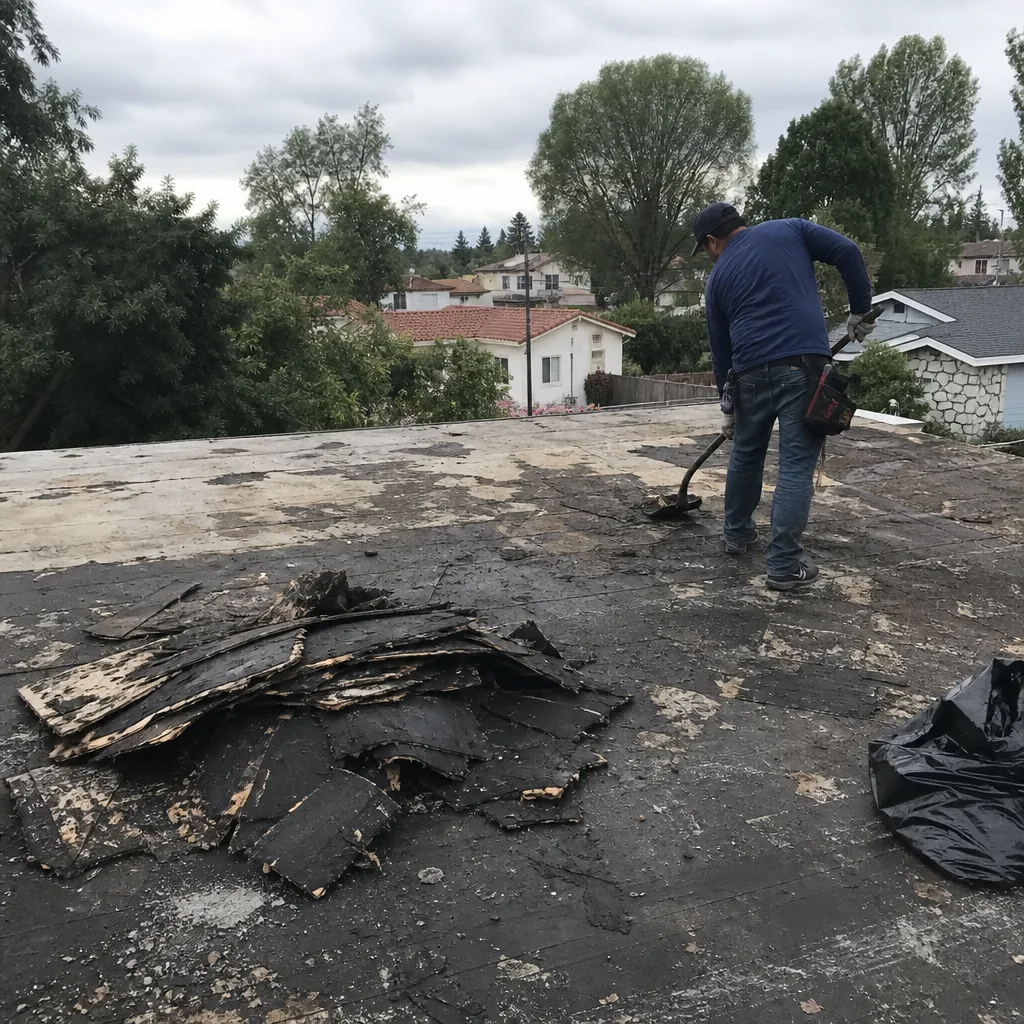 Before
 After