Last updated October 31, 2026
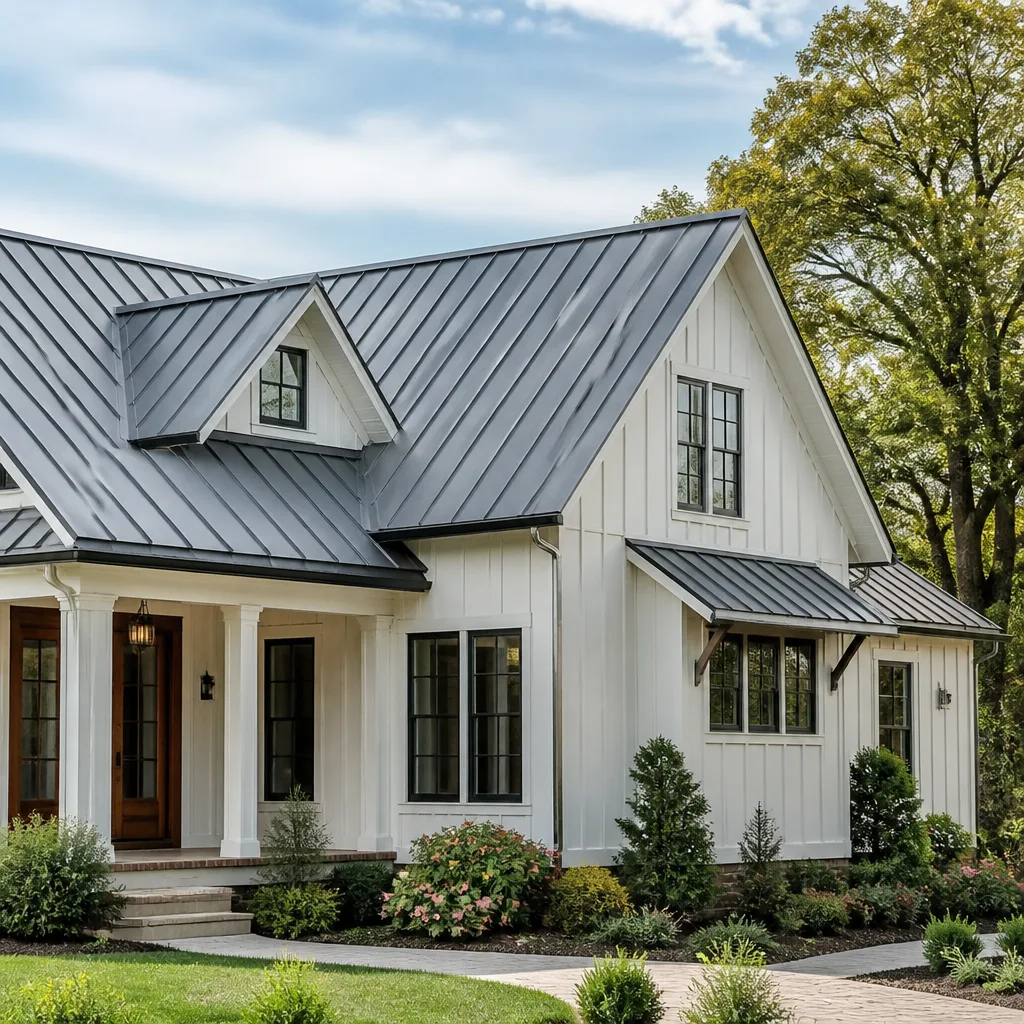 Metal roofing
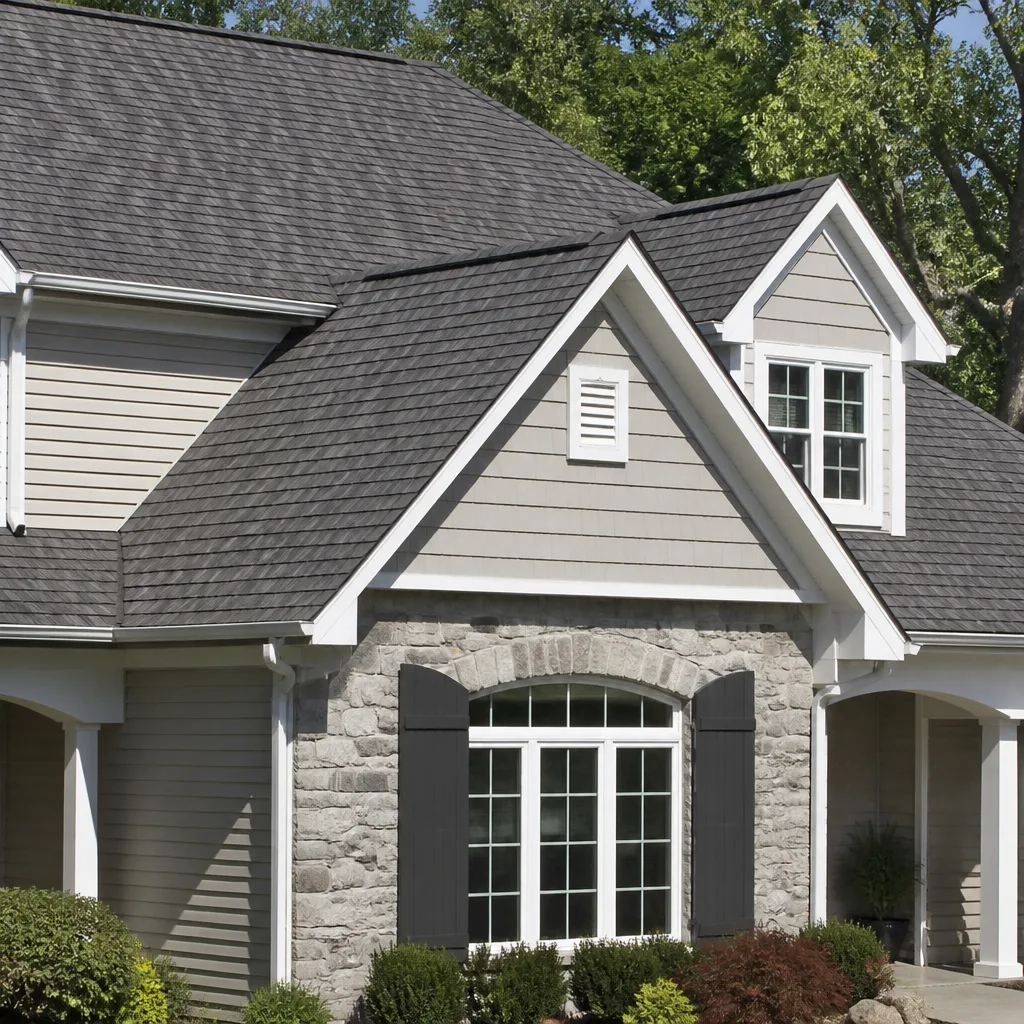 Architectural shingles
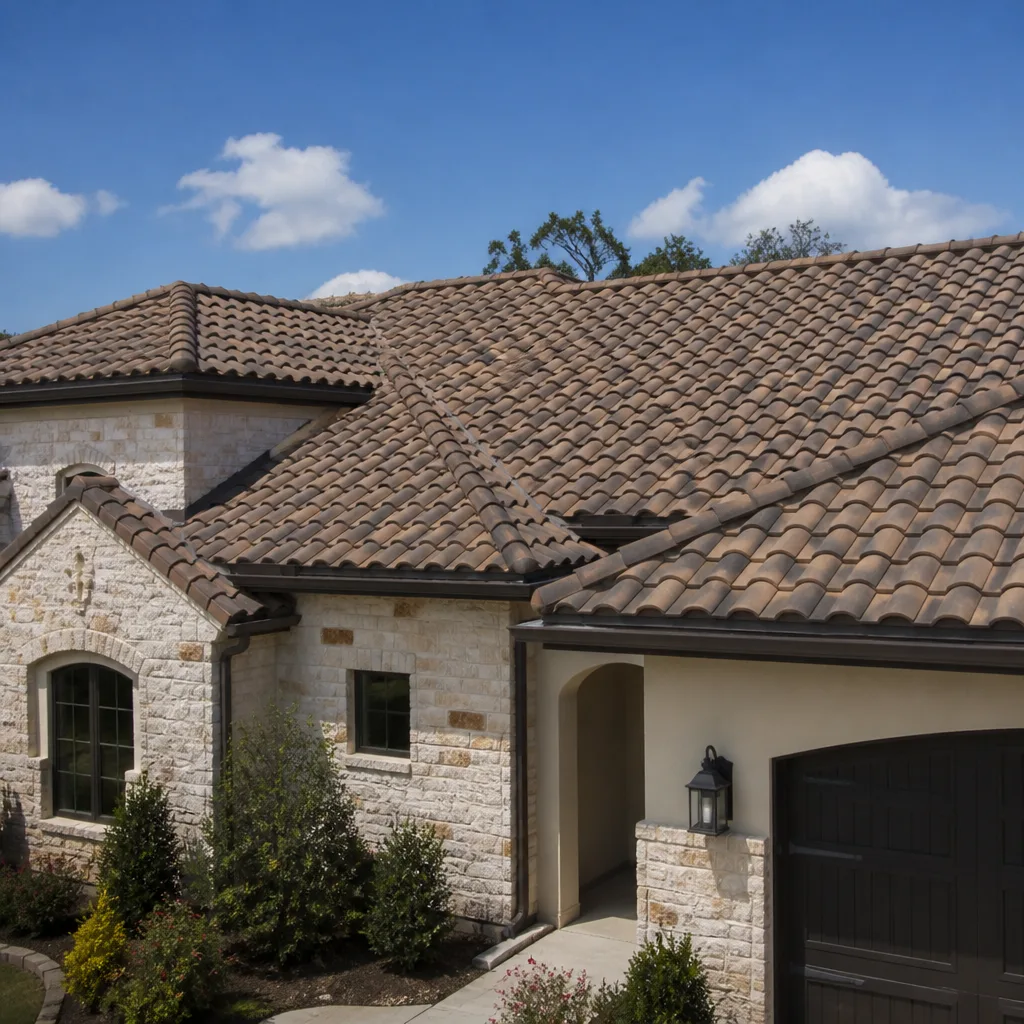 Tile roofing
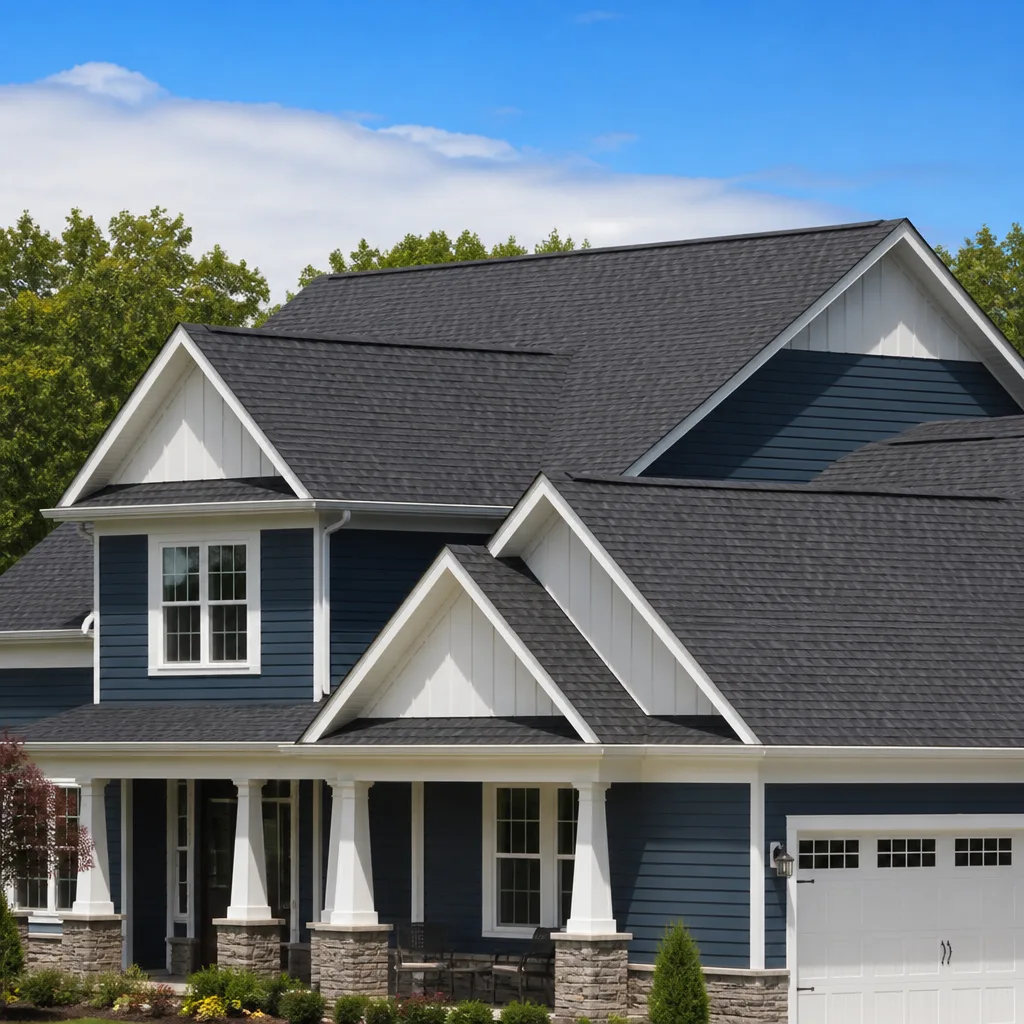 GAF
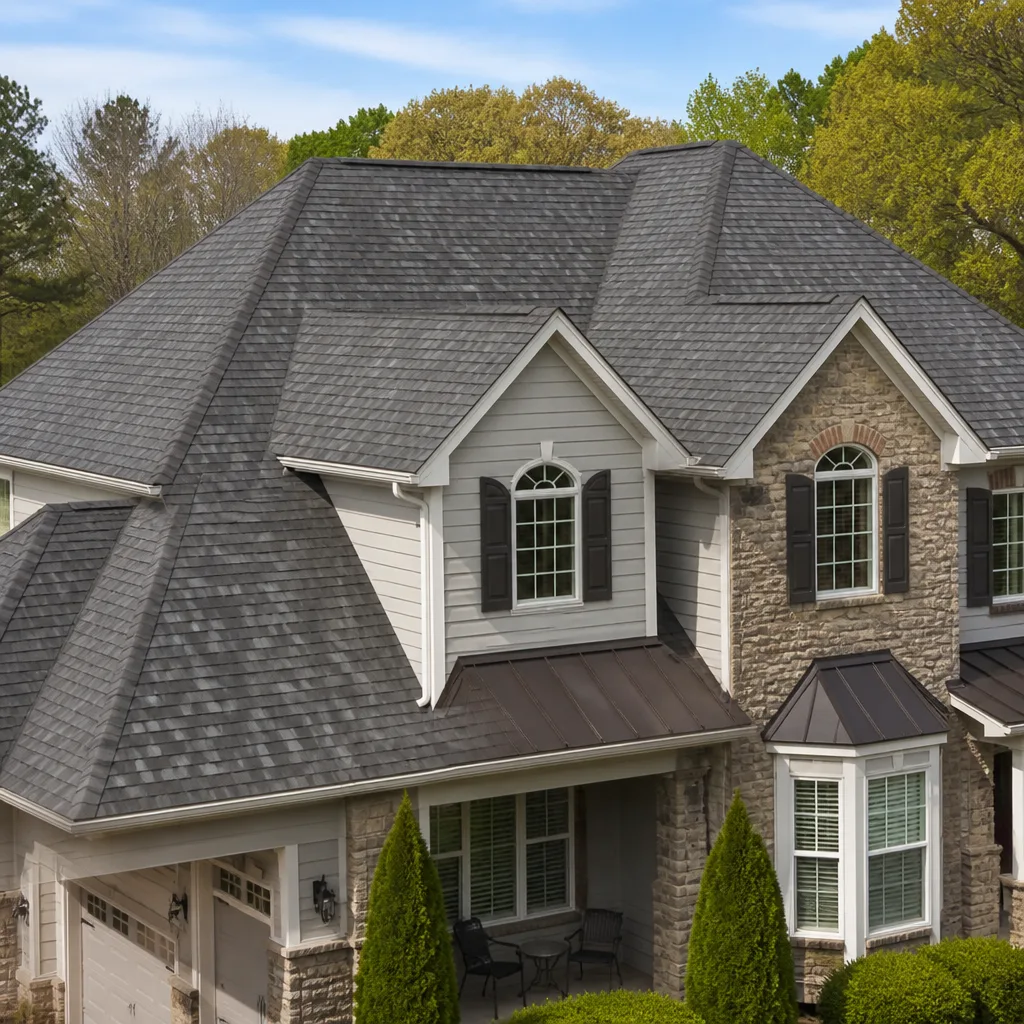 Owens Corning
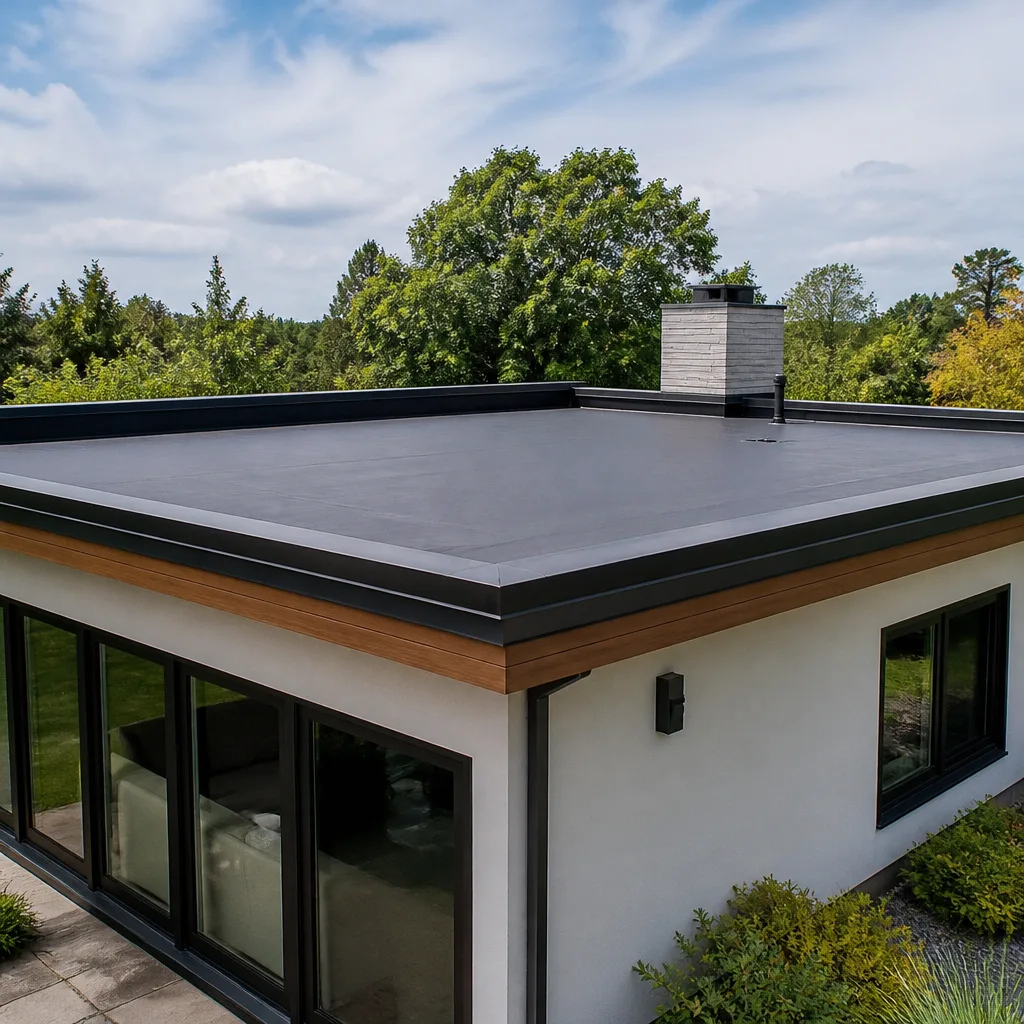 Flat & low-slope
Free roof inspection with deck photos before we talk money - GAF and Owens Corning certified installation
Roofing Permits, Codes & Inspections in CA: What You Need to Know
California has one of the most consequential permit enforcement environments in the country for roofing. Zillow and Redfin now flag permit history, and title companies are increasingly asking for it, which means an unpermitted roof replacement from 2019 becomes a 2026 closing problem. This guide explains exactly which roofing scopes trigger a permit requirement under LADBS rules, what Title 24 cool-roof compliance actually demands at inspection, how insurers use permit history against claims, and the step-by-step process for getting a roof permit approved in Hollywood, CA. For Roofing Warning Signs: A Hollywood Homeowner’s Reference Guide, see our companion resource. By the end, you’ll understand why a $400 permit protects a $20,000 asset.
Quick Answer
In California, any roof replacement involving tear-off of existing roofing material requires a building permit through your local jurisdiction, and in Hollywood that means LADBS. The permit triggers mandatory inspections (mid-roof and final) plus Title 24 cool-roof documentation, and skipping it exposes you to stop-work orders, insurance claim denials, and resale complications. The permit itself typically costs between $300 and $600 for a standard home, takes 1-2 weeks to issue when filed correctly, and requires two inspections before sign-off.
Styles & brands we work with
Table of Contents
- What Actually Triggers a Roofing Permit in California
- Title 24 Cool-Roof Rules: What Passes Inspection Without Extra Documentation
- The Insurance Risk: How Carriers Use Permit History Against Roof Claims
- Buying a Home With an Unpermitted Roof: What You Inherit and How to Fix It
- How to Track a Roof Permit Through LADBS: Application to Final Sign-Off
- Hollywood-Specific Code and Climate Factors
- What a Roof Permit Actually Costs and How Long It Takes in Hollywood
- Common Mistakes to Avoid
- When to Call a Professional
- Frequently Asked Questions
What Actually Triggers a Roofing Permit in California
The threshold for a roofing permit in California is not “full replacement only.” Under LADBS rules, any project that involves removing and replacing the roof covering (shingles, tile, metal panels, or membrane) on more than a small repair area requires a permit. A homeowner in Hollywood replacing two damaged shingles does not need one. A homeowner tearing off a 1,400-square-foot asphalt shingle roof and installing new underlayment does.
Here is the breakdown of what triggers a permit versus what does not, based on how LADBS interprets the California Residential Code (CRC) Section R105:
- Triggers a permit: Tear-off and re-roof of any area larger than 10% of the roof surface, any structural repair to sheathing or rafters, changing roofing material type (e.g., asphalt to tile), adding or modifying roof penetrations (skylights, vents, chimneys), and any work on a roof with a slope steeper than 4:12 where fall protection is required.
- Does not trigger a permit: Patching a small leak area that covers less than 10% of the roof, recoating a flat roof with the same material system without removing the old one, and replacing individual tiles or shingles in isolated spots.
- Gray zone but proceed cautiously: Layering a second layer of shingles over an existing single layer. While the CRC allows this in limited cases, LADBS inspectors in Hollywood frequently flag it, and most manufacturers (including GAF and CertainTeed) void material warranties on double-layer installations.
In our experience working across Hollywood and the surrounding hills, the most common surprise for homeowners is the structural repair trigger. A homeowner plans a simple re-roof, the contractor opens the deck, finds water-damaged plywood, and suddenly the scope includes sheathing replacement which requires additional inspection and sometimes a structural engineer’s sign-off. That is not contractor upselling; it is code enforcement doing what it is designed to do.
Title 24 Cool-Roof Rules: What Passes Inspection Without Extra Documentation
California’s Title 24, Part 6 energy code requires that most residential re-roof projects in climate zones 9 through 16 (all of Los Angeles County) install roofing materials that meet minimum solar reflectance and thermal emittance values, commonly called “cool roof” standards. For a standard asphalt shingle roof, the required aged solar reflectance index (SRI) is 16 or higher, which most major brands now meet.
What matters at inspection is documentation. LADBS inspectors will not accept a verbal claim that a material is Title 24 compliant. They want to see the manufacturer’s product data sheet showing the specific product’s CRRC (Cool Roof Rating Council) rated values. Here is how common materials stack up:
- GAF Timberline HDZ shingles: CRRC-listed with aged SRI values from 19 to 27 depending on color. Most colors pass without supplemental documentation.
- CertainTeed Landmark shingles: CRRC-listed, aged SRI typically 21 to 29. Passes with standard product data sheet.
- Owens Corning Duration shingles: CRRC-listed, aged SRI range 17 to 25. Standard colors pass; some darker colors may require a note from the manufacturer.
- Boral concrete and clay tile: Naturally high reflectance. Most profiles exceed the threshold significantly. Tile roofs rarely have Title 24 compliance issues at inspection.
The failure point we’ve seen repeatedly in Hollywood is the roofer who substitutes a non-listed product to save money. A homeowner gets a bid for GAF Timberline, the contractor installs a private-label shingle from a regional supplier, and the inspector asks for CRRC documentation that does not exist. The roof fails final inspection, the contractor disappears, and the homeowner is left with an open permit and a non-compliant roof. When you work with a company that installs across multiple major brands, you get a material that is matched to your home and compliant with Title 24 without last-minute substitutions. See our guide on Choosing the Right Roofing Brand: A Buyer’s Guide for Hollywood.
The Insurance Risk: How Carriers Use Permit History Against Roof Claims
California insurers have become increasingly aggressive about permit verification. When you file a claim for storm damage, fire damage, or a roof leak that caused interior water damage, the adjuster’s first step in many cases is now a permit search. If the roof was replaced without a permit, the carrier has a documented reason to deny the claim, reduce the payout, or cancel the policy.
This is not hypothetical. After the 2023 atmospheric river events that damaged hundreds of roofs in the Hollywood Hills and Los Feliz, multiple homeowners reported that their carriers flagged unpermitted roof work during claim investigations. One adjuster’s report we reviewed noted that “the roof was replaced in 2021 without a building permit on record, and therefore the quality and code compliance of the installation cannot be verified.” The claim for water damage was denied on that basis.
The logic is simple: if you cannot prove the roof was installed to code, the insurer cannot verify the damage was caused by the covered event rather than a pre-existing installation defect. The permit is your paper trail. It proves the roof was inspected at two critical phases (sheathing and final) by a city inspector, which shifts the burden of quality verification away from the homeowner during a claim.
For anyone in Hollywood considering a roof replacement, the permit is not bureaucratic overhead. Browse more guides & resources to protect your investment. It is the document that keeps your insurance claim intact when the next storm hits.
Buying a Home With an Unpermitted Roof: What You Inherit and How to Fix It
When you buy a house with an unpermitted roof, you inherit the liability. California’s seller disclosure requirements (CIV Code 1102) require sellers to disclose known unpermitted work, but failing to disclose or simply not knowing does not make the problem disappear. Title companies are now running permit searches as part of their standard due diligence, and a flagged unpermitted roof can delay closing, force a price reduction, or kill the deal entirely.
The legal pathway to retroactive compliance in LADBS jurisdiction is called an “as-built” permit, also known as a retroactive permit. Here is what the process looks like:
- Disclosure and assessment: Determine the full scope of the unpermitted work. A roofing professional can document what was installed, when (based on material condition and available records), and whether it meets current code.
- File for a retroactive permit: Submit plans or a work description to LADBS describing the existing roof condition. You are not asking for permission to build; you are asking the city to certify that what exists is acceptable.
- Inspection: A city inspector evaluates the roof against current code. If the roof was installed correctly and meets Title 24 requirements, the inspector can sign off. If not, you will be given a correction list.
- Corrections and final sign-off: Address the correction items (often underlayment upgrades, flashing, or documentation of materials) and schedule a final inspection. Once signed off, the roof becomes a permitted asset.
- Recordation: The approved permit is recorded in LADBS records and becomes part of the home’s permanent file, clearing the title flag.
The cost of retroactive compliance varies. A simple as-built permit with no corrections runs $400 to $800 in LADBS fees plus inspection time. If corrections are required, you are now paying for repairs plus the permit. Either way, it is far cheaper than a denied insurance claim or a stalled escrow.
How to Track a Roof Permit Through LADBS: Application to Final Sign-Off
The Los Angeles Department of Building and Safety runs one of the more functional online permit systems in the state, and once you understand the workflow, the process is straightforward. Here are the actual steps from application to final sign-off for a typical Hollywood single-family roof replacement:
- Prepare the application: You need the property address, legal description (from your deed), scope of work (tear-off and re-roof, material type, total square footage), and the licensed contractor’s information. If the work includes structural repair, you will need a structural plan or an engineer’s letter.
- Submit through the LADBS portal or in person: Use the online ePermit system for simple re-roofs. For anything involving structural work or a roof on a hillside property (common in the Hollywood Hills and Beachwood Canyon), you will likely need to submit at a physical LADBS office (the Metro office at 201 N. Figueroa handles most Hollywood properties).
- Pay the fee: Permit fees are typically $300 to $600 for a residential re-roof, calculated based on project valuation. You will also pay a small surcharge that funds the state’s building standards program.
- Schedule the first inspection (sheathing/nail-off): Before the new roofing material goes on, the inspector must verify the underlayment, fastening pattern, and any sheathing repairs. You cannot cover the deck until this inspection passes.
- Schedule the final inspection: Once the roof is complete, the inspector verifies the material application, flashing, ventilation, and Title 24 documentation. The inspector will check the CRRC product data sheets you provided.
- Receive the final approval and permit card: The inspector signs off in the LADBS system, and the permit is closed. Keep the final approval notice. This is the document that protects your insurance claim and resale value.
You can track any LADBS permit through the online system using the permit number or the property address. The status will show as “Issued,” “Inspections Scheduled,” “Inspection Passed,” or “Finaled.” If a permit shows as open for months, something is wrong: either the contractor never scheduled inspections, failed one and never returned, or abandoned the project entirely. An open permit is a liability. It shows up in title searches and creates the same resale headache as no permit at all.
Hollywood-Specific Code and Climate Factors
Hollywood’s roofing landscape is shaped by three things: hillside exposure, seasonal rainfall patterns, and a building stock that spans nearly a century of construction. A roof permit in the Hollywood Hills is not the same as a roof permit in the flats.
Properties in the hills (Beachwood Canyon, Hollywood Dell, the Bird Streets, Laurel Canyon) face stricter wind-uplift requirements under CRC Section R905 when the roof’s exposure category is elevated. The city’s exposure maps classify hillside properties as Exposure C or D, which means the fastening schedule for roof sheathing and the nailing pattern for shingles must meet higher standards. An inspector will check nail placement and count on a hillside roof with far more scrutiny than on a flatland roof in the central Hollywood neighborhoods between Franklin and Melrose.
The other Hollywood factor is age. Many homes in the area were built between 1920 and 1960, which means original roof decks are often spaced sheathing (gap boards) rather than solid plywood. Current code does not allow new shingles over gap-sheathed decks without either a solid overlay or a full re-deck. If your Hollywood bungalow has the original spaced sheathing and you are planning a re-roof, expect the permit inspection to flag it. The fix involves adding a solid layer of plywood or OSB, which adds $1,800 to $4,000 to the job but is non-negotiable under current building standards.
For Seasonal Roofing Care for Hollywood: Year-Round Homeowner’s Guide, the ideal permit filing window is between March and October. Rain complicates inspections: a sheathing inspection must happen before the final roofing material goes on, and if a surprise storm hits between tear-off and inspection, water damage becomes your problem. Filing in the dry season gives you a buffer.
What a Roof Permit Actually Costs and How Long It Takes in Hollywood
Let us talk about real numbers for Hollywood, because the generic answers online are not helpful. A standard LADBS roofing permit for a single-family home with 1,200 to 2,000 square feet of roof area runs $300 to $600. Hillside properties with structural review requirements run higher, typically $500 to $900. Retroactive permits (for unpermitted work already installed) run $400 to $800 plus any correction work.
Here is a realistic line-item breakdown for a typical Hollywood re-roof permit:
- LADBS permit fee (base): $250 to $450, calculated on project valuation
- Building and Safety surcharge: $30 to $80
- Structural plan review (hillside only): $150 to $300
- Inspection fees (two inspections): Included in the permit fee in most cases
- Title 24 documentation handling: No fee if using CRRC-listed materials with product data sheets
- Total typical range: $300 to $800
The timeline depends on the filing method. An ePermit application for a straightforward re-roof can be issued within 3 to 5 business days. A hillside property requiring plan review takes 2 to 4 weeks. The inspection schedule adds 1 to 2 weeks. A well-managed permit through Hollywood Roofing Co, from application to final sign-off, typically runs 3 to 6 weeks total, with most of that time being inspection scheduling rather than waiting on LADBS review.
That $300 to $800 permit is protecting a $15,000 to $35,000 roof investment. It is the cheapest insurance policy you will ever buy on this scale.
Common Mistakes to Avoid
- Hiring the cheapest bid that does not include a permit: A contractor who offers to skip the permit is not saving you money; they are shifting liability onto you. The unpermitted roof becomes your problem the day escrow opens or the claim is filed.
- Not checking that the contractor pulled the permit before work starts: Some contractors say “we’ll handle the permit” and never file. Always verify the permit number in the LADBS system before tear-off begins.
- Letting a contractor install a non-CRRC-listed material without telling you: Title 24 compliance is non-negotiable at inspection. A substitute product without documentation fails final inspection and can force a full re-roof.
- Ignoring the sheathing inspection step and letting the roofer cover the deck early: If the sheathing inspection does not happen before the roofing material goes on, the city can require tear-off to inspect the deck. This is a $3,000 to $8,000 mistake.
- Not keeping the final approval notice: The closed permit is the document that protects you. Lose it, and you are relying on LADBS digital records which, while generally reliable, are not always complete for older permits.
- Assuming a “re-roof” quote includes structural repair: Hollywood hillside homes frequently need sheathing or rafter repair once the old material comes off. Ask your contractor to specify how structural surprises are handled before you sign.
When to Call a Professional
You should bring in a licensed roofing contractor the moment you know a roof replacement is in your future, but especially if any of these apply: you own a hillside property in Beachwood Canyon or the Hollywood Hills where wind-uplift requirements add complexity; your home was built before 1960 and likely has spaced sheathing; you are buying or selling a home and need to resolve an unpermitted roof before closing; or you have an open LADBS permit from a previous project that never got finaled. Hollywood Roofing Co offers free estimates in Hollywood, and our team handles the permit process from application through final inspection on every Roof Replacement in Hollywood we complete. Call (833) 589-7971 to start.
Frequently Asked Questions
Yes, if the work involves removing and replacing the roof covering on more than 10% of the roof surface, a building permit from LADBS is required in Los Angeles. Small repairs under 10% are exempt, but full replacements always require one. Call (833) 589-7971 for a contractor who handles the permit as part of the job.
You risk a stop-work order, a fine that often exceeds the original permit cost, a denied insurance claim if storm or fire damage occurs, and a title flag that complicates any future sale. Retroactive compliance is possible but costs more than doing it right the first time. Call (833) 589-7971 to get your permit situation sorted before work begins.
A straightforward ePermit for a flatland Hollywood home is typically issued in 3 to 5 business days, while hillside properties requiring plan review take 2 to 4 weeks. The full process including inspections runs 3 to 6 weeks for a typical re-roof. We manage this timeline for you on every project.
Title 24 requires that most re-roofs in Los Angeles use materials meeting a minimum solar reflectance index, verified through CRRC product documentation at final inspection. Most colors from GAF, CertainTeed, Owens Corning, and Boral pass, but darker colors or off-brand substitutes can fail. Ask us about Title 24-compliant options.
You can sell, but the unpermitted roof must be disclosed, and it will likely surface during the buyer’s title search or inspection. The pathway to clearing it is a retroactive permit through LADBS, which a licensed contractor can manage. We help Hollywood homeowners resolve unpermitted roof situations before listing. Call (833) 589-7971 for a consultation.
In many cases no. California carriers are increasingly denying or reducing roof-related claims when the roof was installed without a permit, because the installation was never inspected for code compliance. A permitted roof with a closed LADBS permit is your strongest claim protection.
The Bottom Line
A roofing permit in California is not red tape. It is the document that keeps your insurance claim valid, your home sale clean, and your roof installation code-compliant. In Hollywood, the process runs through LADBS, costs a few hundred dollars, requires two inspections, and protects an investment measured in tens of thousands. The risks of skipping it are not hypothetical: denied claims, stalled escrows, and stop-work orders that cost more to resolve than the permit would have. Whether you need an Roof Inspection in Hollywood to assess your current roof’s permit status or a Roof Repair in Hollywood to address code deficiencies, start with a contractor who treats permits as standard practice, not an upsell. The team at Hollywood Roofing Co home handles permits on every replacement and repair, start to finish. Call (833) 589-7971 for a free estimate and a permit checklist specific to your property.
Written by the team at Hollywood Roofing Co, serving Hollywood since 2016.
See the difference
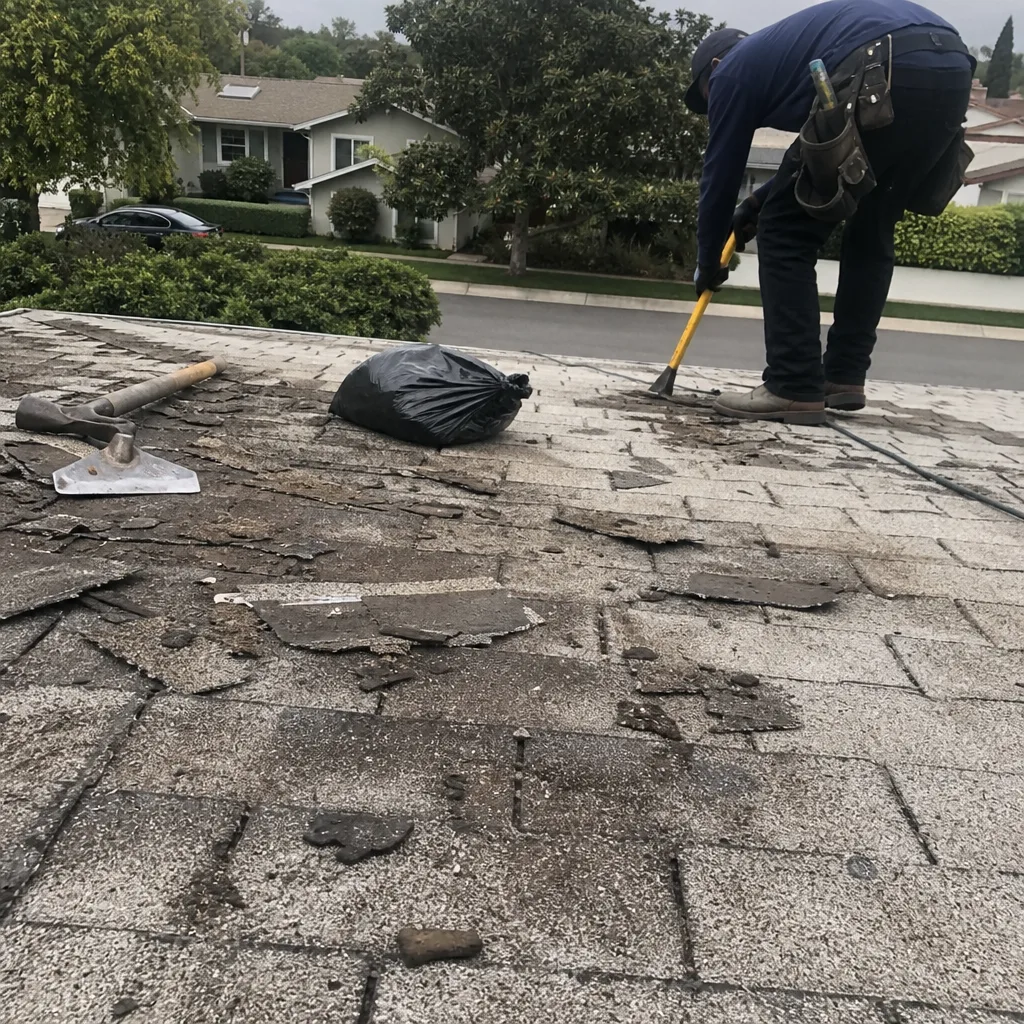 Before
 After
 Before
 After
 Before
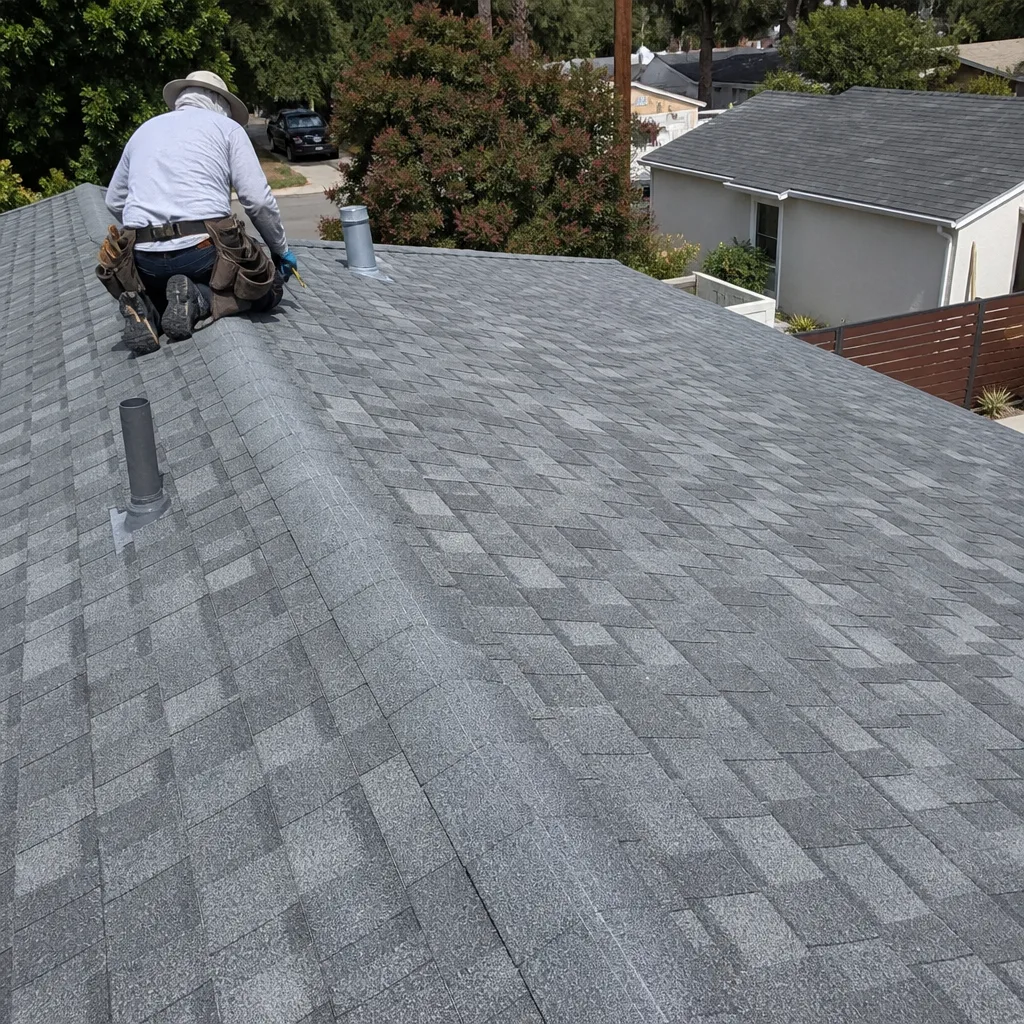 After