
Last updated October 31, 2026
 Architectural shingles
 Metal roofing
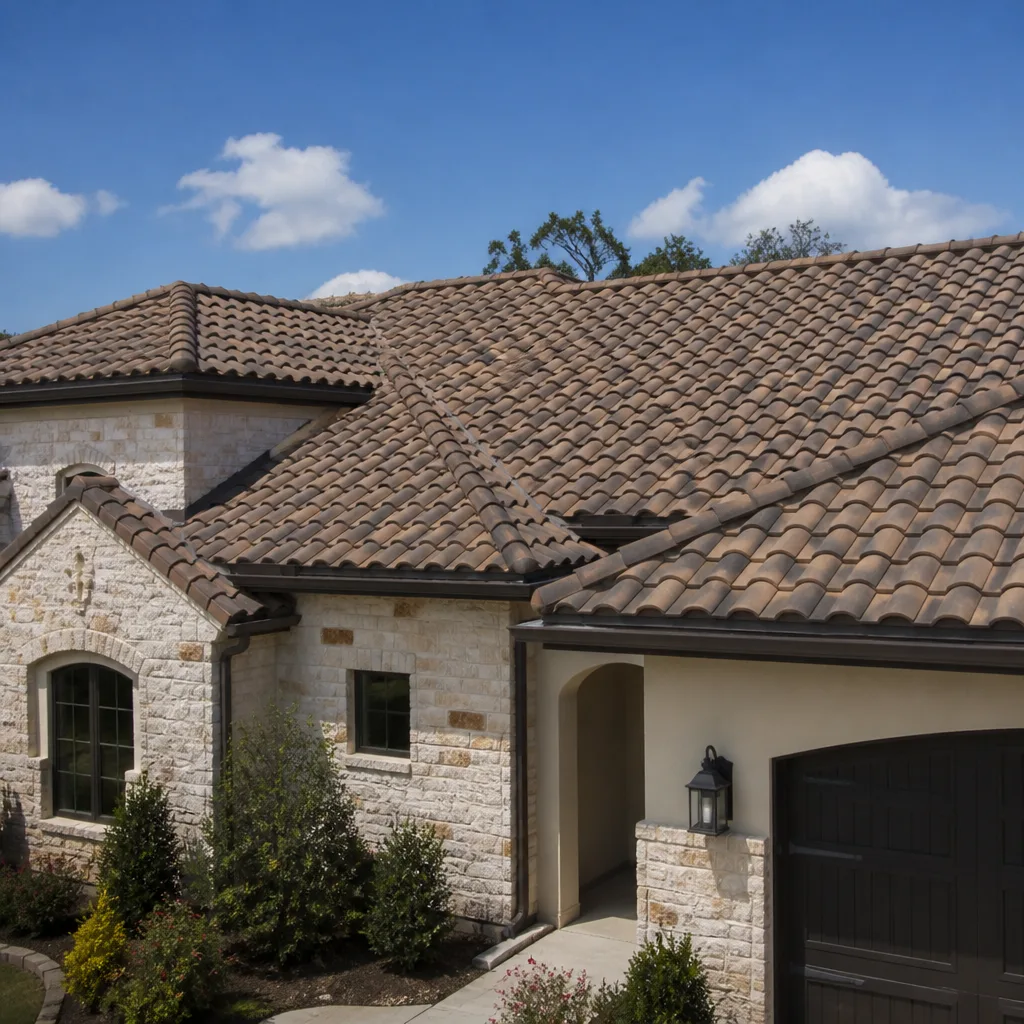 Tile roofing
 GAF
 Owens Corning
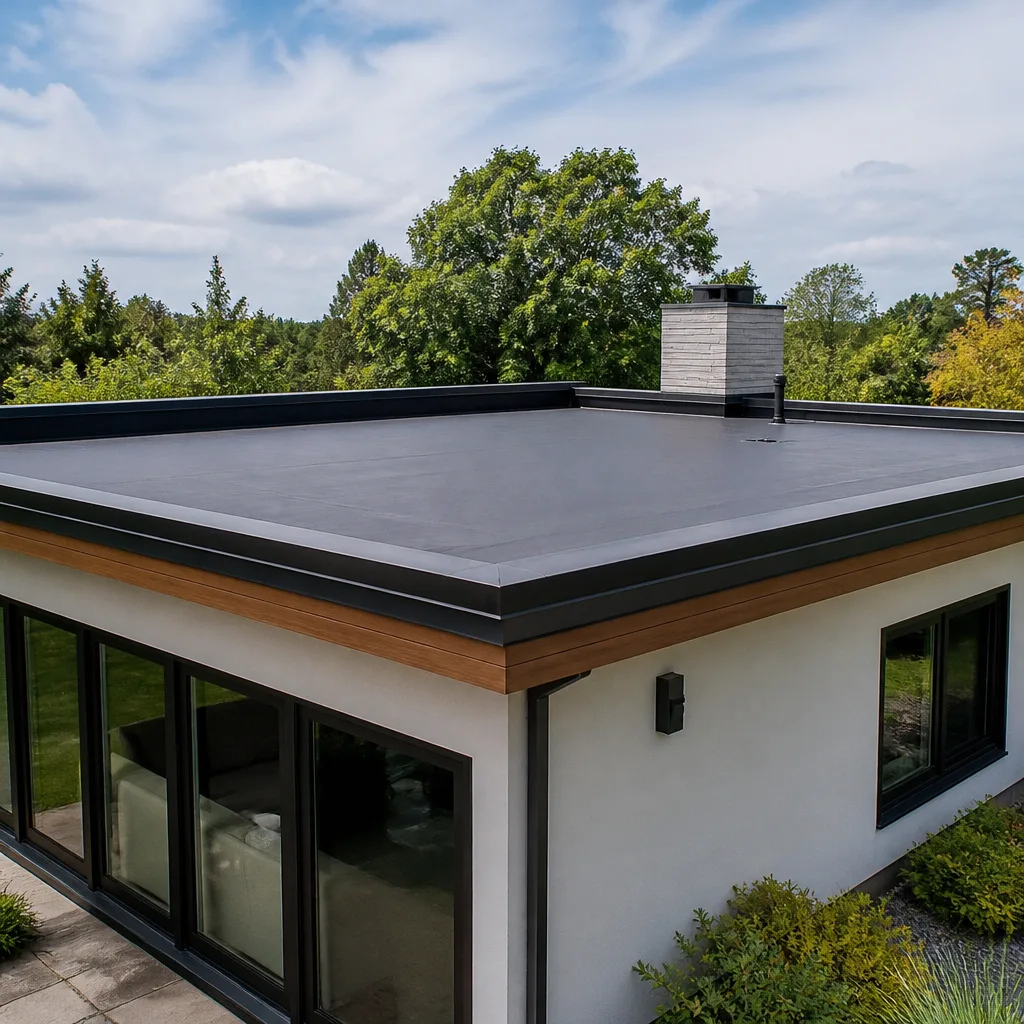 Flat & low-slope
Free roof inspection with deck photos before we talk money - GAF and Owens Corning certified installation
Roof Repair Maintenance Checklist for Hollywood Homeowners
The standard “inspect your roof every spring and fall” advice costs Hollywood homeowners real money. Our climate doesn’t run on spring and fall. It runs on Santa Ana wind season, winter rain onset, and the near-constant drop of palm fronds and jacaranda debris. A roof checked in March because a generic checklist said so might have gone nine months since the last Santa Ana event, which is nine months too long to catch flashing fatigue or lifted shingles before they become interior water damage. This guide is a maintenance calendar calibrated to what actually fails on Hollywood roofs, when it fails, and what a homeowner can safely document themselves before picking up the phone. If you own a home in Hollywood, this is the checklist we’d want you to have.
Styles & brands we work with
Quick Answer
A Hollywood roof maintenance checklist should be built around three local failure points: debris accumulation from Canary Island palms and jacarandas, flashing fatigue caused by Santa Ana thermal cycling, and moss growth on north-facing pitches. The core routine is a post-Santa Ana-season inspection in November, a pre-rain clear in October, and quarterly debris removal from valleys and scuppers. Most avoidable Hollywood roof repairs trace back to one of these three issues getting ignored for a season too long. If you need help, consider our Roof Repair services.
Table of Contents
- Hollywood’s Debris Problem: Palms, Jacarandas, and Eucalyptus
- Santa Ana Thermal Cycling and Flashing Fatigue
- The North-Facing Pitch Moss Problem
- A Month-by-Month Maintenance Calendar for Hollywood
- What to Document Yourself (and Where Self-Inspection Ends)
- How Roof Material Affects Your Maintenance Routine
- Common Mistakes to Avoid
- When to Call a Professional
- Frequently Asked Questions
- The Bottom Line
Hollywood’s Debris Problem: Palms, Jacarandas, and Eucalyptus
Hollywood’s tree canopy is beautiful and relentless. Canary Island palms, jacarandas, and eucalyptus are everywhere, and each creates a distinct debris pattern that behaves differently on a roof. Canary Island palm fronds are the worst offenders, not because they’re heavy (they are), but because of how they fall. A frond can drop 30 to 40 feet and land like a javelin, punching through a shingle or cracking a tile on impact. We’ve seen fronds embedded in roofs in Beachwood Canyon and the Oaks, neighborhoods where mature palms overhang single-story homes.
Jacarandas drop fine, sticky flower litter in late spring and early summer. It accumulates in valleys and behind chimneys, and when it decomposes it holds water against the roof surface. Eucalyptus sheds bark strips and leaves year-round, and the bark has a high oil content that can stain and accelerate granule loss on asphalt shingles. The oil also makes the debris slightly sticky, so it doesn’t wash off with the first rain the way oak leaves do.
The maintenance response is quarterly, not semiannual. Every three months, homeowners should clear valleys, scuppers, and the areas behind chimneys and skylights where Hollywood’s particular debris mix accumulates. If you can safely reach them from a ladder. If you can’t, document what you see and call a professional. We cover the safer self-inspection protocol later in this guide.
One specific check that pays off: if you have a Canary Island palm within 20 feet of your roofline, look for frond punctures after any significant wind event. These are not always obvious from the ground. They look like a small tear or a shifted section of material, but they let water in slowly over months, and by the time the ceiling stain appears, the decking underneath is already compromised.
Santa Ana Thermal Cycling and Flashing Fatigue
Santa Ana season does something to roofs that most homeowners never see. The temperature swings in Hollywood during a Santa Ana event can exceed 40 degrees Fahrenheit in 24 hours, sometimes more in the canyons. Your roof expands and contracts with every swing, and the materials most affected by that movement are the flashings: the metal pieces where the roof meets a chimney, a wall, a vent pipe, or a skylight.
Flashing is metal. Metal expands when it’s hot and contracts when it’s cold. Thermal cycling, which is the repeated expansion and contraction, slowly works the fasteners loose and breaks the sealant joints. After enough cycles, which in Hollywood happens faster than in coastal LA because of the extreme diurnal swings during Santa Ana season, the flashing begins to lift or separate from the surface it’s supposed to seal. The gap is often a sixteenth of an inch. Small enough to be invisible from the ground, large enough to let water in during a rain event.
We’ve inspected Hollywood roofs where every chimney flashing had separated from the brick, not because of poor installation, but because of years of thermal cycling doing what thermal cycling does. The fix is straightforward if caught early: re-secure the flashing, re-seal the joints. The fix is expensive if missed: water intrusion, rotted decking, and interior damage.
Here’s a thermal-cycling checklist for Hollywood homeowners:
- After Santa Ana season ends (usually late November or early December), visually inspect all flashing points from the ground with binoculars or a camera zoom. Look for lifted metal, missing sealant, or gaps.
- Pay special attention to south- and west-facing flashing points. Those get the most direct sun and the most dramatic temperature swings.
- If you see staining on interior walls or ceilings near a chimney, that’s a flashing leak. Don’t wait to confirm it with the next rain.
- Document what you see with photos. A clear photo taken in December helps a roofer give you a more accurate assessment over the phone.
The calendar point here matters. Most generic checklists say “inspect flashing annually.” In Hollywood, the right time is right after Santa Ana season, because that’s when the damage has just accumulated and you have a window before the winter rain arrives. Miss that window and you’re inspecting a wet roof, which hides evidence and makes repairs harder.
The North-Facing Pitch Moss Problem
North-facing roof pitches in Hollywood grow moss at a rate that surprises homeowners who bought the house in summer and didn’t see a thing. Moss doesn’t need much to take hold: shade most of the day, the marine layer moisture that rolls through the Hollywood Hills even in dry months, and a surface that holds a little organic debris. North-facing pitches provide all three.
Moss is not a cosmetic problem. Moss holds water against the roof surface, which degrades asphalt shingles and works into the pores of concrete tile. In a climate like Hollywood’s, where the roof dries out between rains, moss creates a persistent damp microclimate on that one pitch. It also lifts shingles as it grows, creating gaps that let water under the material. On tile roofs, moss can grow into the headlap, the part of the tile that overlaps the tile below it, and break the drainage path.
The maintenance step that prevents moss from becoming structural is simple and mechanical: brush it off. Not with a pressure washer, which is the mistake we see most often and which damages both shingles and tile. A medium-stiff brush on a pole, or better, a professional soft-wash treatment every two to three years, keeps the north pitch clear. The timing that works in Hollywood is late fall, after the marine layer season ends and before the heavier winter moisture. A second light brushing in early spring if you see regrowth.
If moss has already taken hold across more than 30 percent of a north-facing pitch, that’s past the point of homeowner brushing. The material underneath likely needs evaluation. Moss that’s been present for years can mean granule loss on shingles or surface etching on tile. A roof inspection at that stage is the honest next step, not more aggressive DIY.
A Month-by-Month Maintenance Calendar for Hollywood
A calendar is only useful if it matches the reality outside your window. Here’s the month-by-month rhythm we recommend for Hollywood homeowners. It’s built around Santa Ana season, the rain window, and the debris cycle of the trees that actually grow here.
October: Pre-Rain Clear
Do a full visual check from the ground. Clear valleys, scuppers, and gutter areas of accumulated palm fronds, jacaranda litter, and eucalyptus bark. If you have overhanging branches, this is the month to trim them back before wind season starts. Document any visible damage with photos while the roof is dry.
November: Post-Santa-Ana Flashing Check
Santa Ana events typically peak in October and November. After each significant wind event, check for frond punctures and lifted flashing. Use binoculars or a camera zoom. Pay attention to chimney flashing and any pipe collars that might have been worked loose by wind-driven debris.
December: Pre-Rain Inspection
Hollywood’s rain usually arrives between December and February. Before the first big system, do one more ground-level check. Look for moss on north-facing pitches after the marine layer season. If you see interior staining after the first rain, that’s your signal to call for Roof Repair in Hollywood before a second rain turns a small leak into a big one.
January to March: Rain-Season Monitoring
During rain events, look for gutter overflow, water beading on interior walls, or shingle granules accumulating in downspouts. Granules in the downspout are normal for an aging asphalt roof, but a sudden increase after a storm can mean storm damage. Don’t get on the roof during or immediately after rain. Document what you see from the ground.
April: Post-Rain Clear
Once the rain window closes, do a debris clear. Winter rains knock down whatever the palms and eucalyptus have been holding onto. Check valleys and behind chimneys again. This is also the time to schedule a professional roof inspection if you haven’t had one in a few years. A Roof Inspection in Hollywood gives you an honest condition report before the dry season lets small issues quietly worsen.
May to June: Jacaranda Season
Jacarandas bloom in late spring, and the flower litter is sticky enough to hold onto roof surfaces. If you have jacarandas on or near your lot, do a targeted debris clear in June, after bloom peak. Focus on valleys and any flat or low-slope areas where sticky litter accumulates.
July to September: Dry-Season Watch
This is the heat and UV season. On hot days, asphalt shingles soften slightly, which can expose existing installation issues. If you see shingles that look shifted or wavy from the ground on a hot afternoon, document it. It may be normal thermal movement, or it may be an early warning. A professional can tell the difference. If you’re considering Roof Replacement in Hollywood, summer is the most predictable season for scheduling, though any season works in our climate.
This calendar isn’t meant to be a chore list you dread. Most months require nothing more than a ground-level look and a photo if something seems off. The goal is to catch the three big Hollywood failure points before they catch you. For more guides & resources, explore our blog.
What to Document Yourself (and Where Self-Inspection Ends)
There’s a line between being a diligent homeowner and being a liability to yourself. The line is the ladder. If you’re on a ladder and leaning over the roofline, or if you’re walking on the roof itself, you’ve crossed into territory that requires training, safety equipment, and insurance. A fall from a single-story Hollywood home is enough to change your life. We’re not saying that to scare you. It’s the honest boundary.
What a homeowner can safely document from the ground, with binoculars or a phone camera with good zoom:
- Visible debris accumulation in valleys, behind chimneys, and around skylights
- Lifted or missing shingles, cracked tiles, or visible gaps in material
- Flashing that appears lifted, separated, or missing sealant
- Moss or algae growth on the north-facing pitch
- Interior staining on ceilings or walls, especially near chimneys or exterior wall lines
- Frond punctures or impact marks after a Santa Ana event
- Granule accumulation in downspouts or on the ground at gutter outlets
Here’s the three-step documentation protocol we recommend, and it’s what a roofer will want to see when you call:
- Photo first, from the ground. A clear photo from multiple angles. Not a zoomed-in blur. If you can’t get a clear shot, describe what you see in writing.
- Note the date and the weather context. “Found after Santa Ana winds on November 4” is far more useful than “found it sometime recently.”
- Mark the interior if there’s a leak. A piece of painter’s tape on the ceiling stain with the date written on it. This tells a roofer how fast the stain is growing.
The exact point where self-inspection ends and professional involvement begins is when you can’t see something clearly from the ground but you know something is wrong. An interior stain with no visible roof cause from the ground. A persistent moss problem you’ve brushed twice and it keeps returning. A flashing point you can see is lifted but is over a second-story drop. At that point, call a roofer. The cost of the call is a fraction of the cost of guessing wrong.
How Roof Material Affects Your Maintenance Routine
The maintenance checklist above applies to every roof in Hollywood, but the specifics shift depending on what your roof is made of. We work across seven material brands, including Owens Corning, IKO, Atlas, and Tamko, and the material choice changes what you watch for and how you maintain it.
Asphalt shingle roofs are the most common and the most sensitive to debris accumulation and thermal cycling. Shingles lose granules over time, and trapped debris accelerates that loss. The maintenance priority is keeping valleys clear and catching granule loss early. An IKO or Atlas asphalt roof will show its age in granules first, and that’s your early-warning sign.
Concrete tile roofs are more durable against thermal cycling but more vulnerable to moss in the headlap and to impact damage from falling fronds. A cracked tile is not an emergency, but it should be documented and replaced within the same season. A cracked tile that sits through a winter rain event lets water directly onto the underlayment.
Clay tile roofs in Hollywood’s older Spanish-style homes have a similar profile to concrete, with one added consideration: clay tiles are brittle, and walking on them incorrectly causes more damage than the original problem. This is a roof where the DIY line is even firmer. Document from the ground, and let a professional do anything that requires roof access.
Flat or low-slope roofs, common on mid-century Hollywood homes, have different failure points entirely. They depend on a waterproof membrane and proper drainage through scuppers. Debris that blocks a scupper turns a flat roof into a pond, and ponding water is the fastest way to compromise a membrane. The maintenance priority here is scupper clearance and checking for blisters or cracks in the membrane after the summer heat.
The material point matters because the right maintenance done on the wrong material can cause damage. A pressure washer that’s mildly risky on asphalt is genuinely destructive on tile and flat membrane roofs. When in doubt, a professional material-matched maintenance plan is the honest approach.
Common Mistakes to Avoid
- Pressure washing a roof. Pressure washing strips granules from asphalt shingles, etches tile surfaces, and forces water under flashings. It’s the single most common self-inflicted roof injury we see in Hollywood. It’s also the one that voids the most material warranties.
- Ignoring the north-facing pitch. Homeowners check the visible south-facing slope and assume the rest of the roof matches. Moss doesn’t grow where you can see it from the street. The north pitch is where Hollywood roofs fail quietly.
- Waiting for a leak to appear before doing anything. By the time water shows up on the ceiling, it has been moving through the roof assembly for weeks or months. The ceiling stain is the late-stage signal, not the early one.
- Clearing debris by blowing it deeper into the valley. A leaf blower used from a ladder often pushes debris from a visible area into a hidden area, where it does more damage. Debris should be lifted off, not relocated.
- Sealing a leak from the interior. Interior sealants do nothing for the exterior roof failure and trap water inside the assembly, which rots decking faster. The fix has to happen from the exterior.
- Treating all seven brands as interchangeable. The maintenance needs of a mid-tier Tamko asphalt roof and a premium Owens Corning roof overlap, but they’re not identical. Material-matched care extends roof life and keeps warranties valid.
- Deferring a repair because the next rain is months away. Hollywood’s dry season is long, and it’s easy to forget about a cracked tile in May. But the dry season is exactly when slow deterioration happens without the visual cue of a leak. Dry-season damage is real, even if it doesn’t announce itself.
When to Call a Professional
Some situations are clear calls: you see interior water staining that’s growing, you hear a frond hit the roof and find an impact mark you can’t assess from the ground, or you have moss that has returned after two rounds of brushing. Other situations are less obvious but worth a call: a roof that’s over 15 years old and hasn’t had a professional inspection, a flashing point that looks wrong in a photo but you can’t tell why, or a flat roof that’s ponding water after every rain. Hollywood Roofing Co offers free estimates in Hollywood. We inspect first, document what we find, and give you a written assessment. Call (833) 589-7971, or use the form on the Hollywood Roofing Co home page to schedule.
Frequently Asked Questions
Quarterly visual checks from the ground, with extra attention after Santa Ana events and during the December-to-February rain window. A full professional inspection every two to three years is the right cadence for most Hollywood roofs, unless you have large overhanging trees or a roof over 15 years old, in which case an annual professional inspection is the safer call.
Canary Island palm fronds cause the most dramatic damage because of their weight and the height they fall from. A frond can punch through a shingle or crack a tile on impact. Jacaranda litter and eucalyptus bark cause slower but equally serious damage by accumulating in valleys and holding moisture against the roof surface.
Moss is not cosmetic. It holds water against the roof surface, lifts shingles as it grows, and breaks the drainage path on tile roofs. On a north-facing Hollywood pitch, moss can become a structural problem within a few years if ignored. Early brushing and periodic soft-wash treatment keep it from reaching that point.
We recommend against it. Walking on a roof without training and safety equipment risks a serious fall, and on tile roofs, the walking itself causes damage. Ground-level inspection with binoculars, plus interior monitoring for signs of water, covers most of what a homeowner needs to know. If something warrants a closer look, a professional should do the walking.
Look for metal that appears lifted or separated from the surface it’s attached to, missing or cracked sealant around pipe collars and chimneys, or interior staining near a chimney or exterior wall line. After a Santa Ana event is the right time to check, because that’s when thermal cycling has just done its worst.
Document it from the ground. Photos from multiple angles, plus a note on the date and the angle of impact if you can tell. Look for interior staining in the weeks after. If you see any visible damage or interior water, call a roofer for an assessment. Call (833) 589-7971 and we’ll assess whether it’s a simple repair or something more involved.
Yes. Asphalt shingle roofs need valley clearance and granule-loss monitoring. Tile roofs need moss management in the headlap and careful impact-damage checks after wind events. Flat roofs need scupper clearance and membrane checks after summer heat. The core calendar stays the same, but the specifics shift by material.
Inspection pricing varies based on roof size, material, and access. Hollywood Roofing Co offers free estimates. Call (833) 589-7971 and we’ll give you a clear number before any work begins.
The Bottom Line
Hollywood roofs fail in predictable ways, and most of those failures are preventable with a maintenance routine that matches the local reality. Clear debris quarterly, not twice a year. Check flashing after Santa Ana season, not on a generic spring schedule. Watch the north-facing pitch for moss, especially after the marine layer months. Document what you can safely see from the ground, and call a professional the moment self-inspection hits its limit. The homeowners who avoid the big repairs are the ones who catch small issues in the dry season, when the roof is quiet and the fixes are cheap. That’s the whole game.
Written by the team at Hollywood Roofing Co, serving Hollywood since 2016.
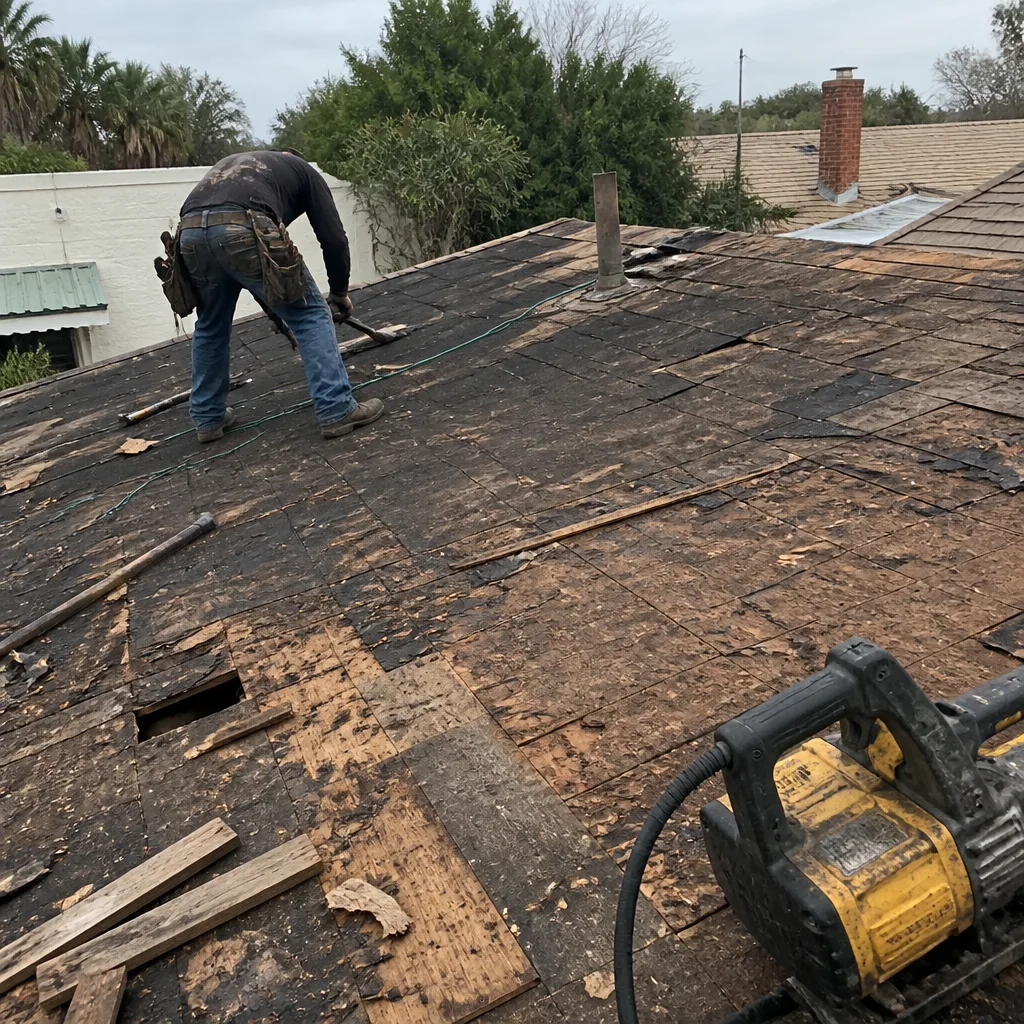
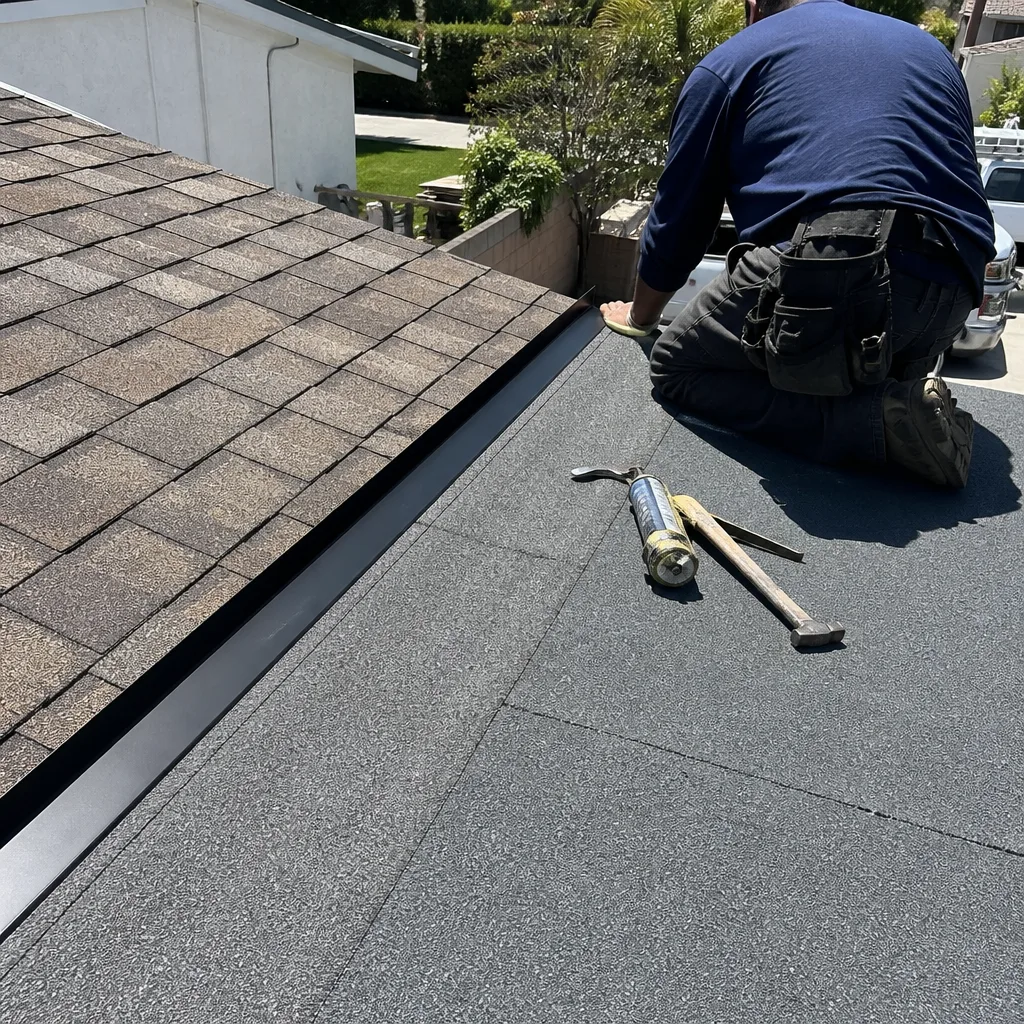
See the difference
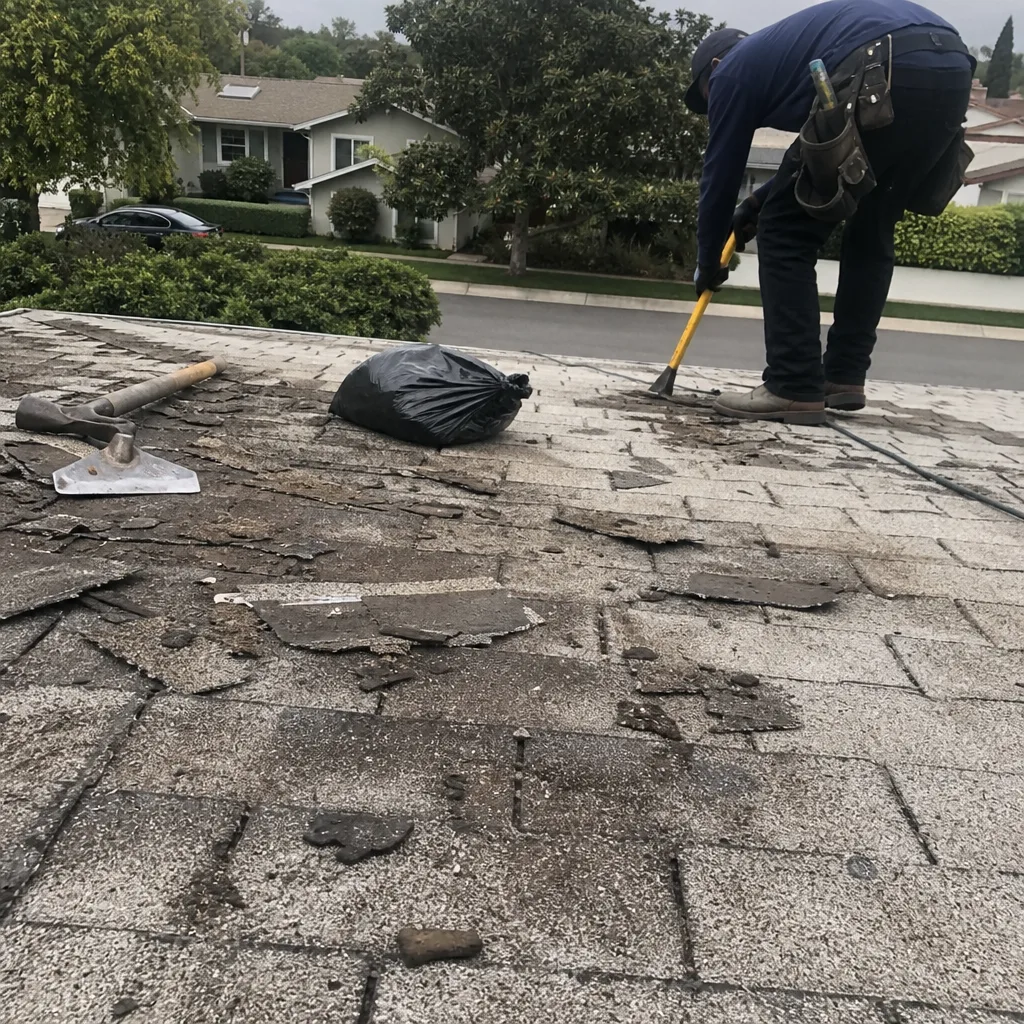 Before
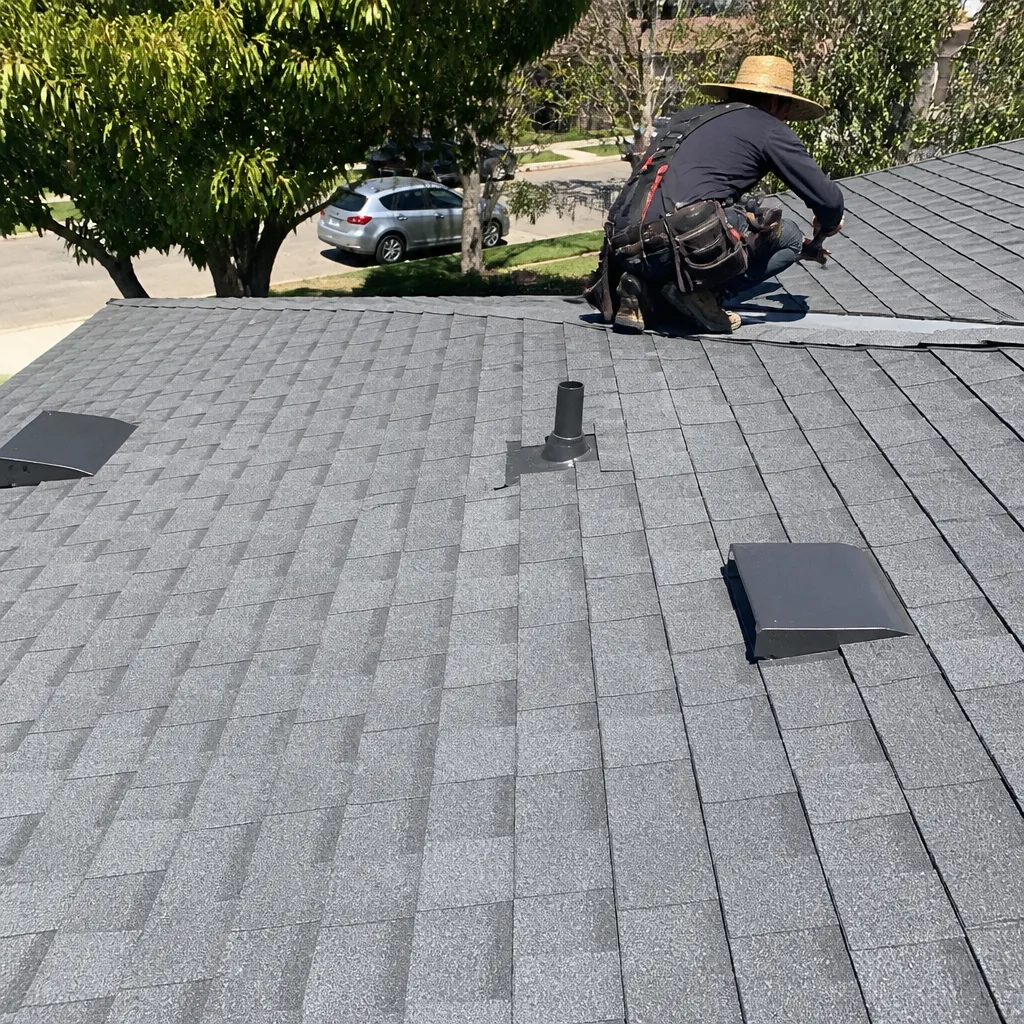 After
 Before
 After
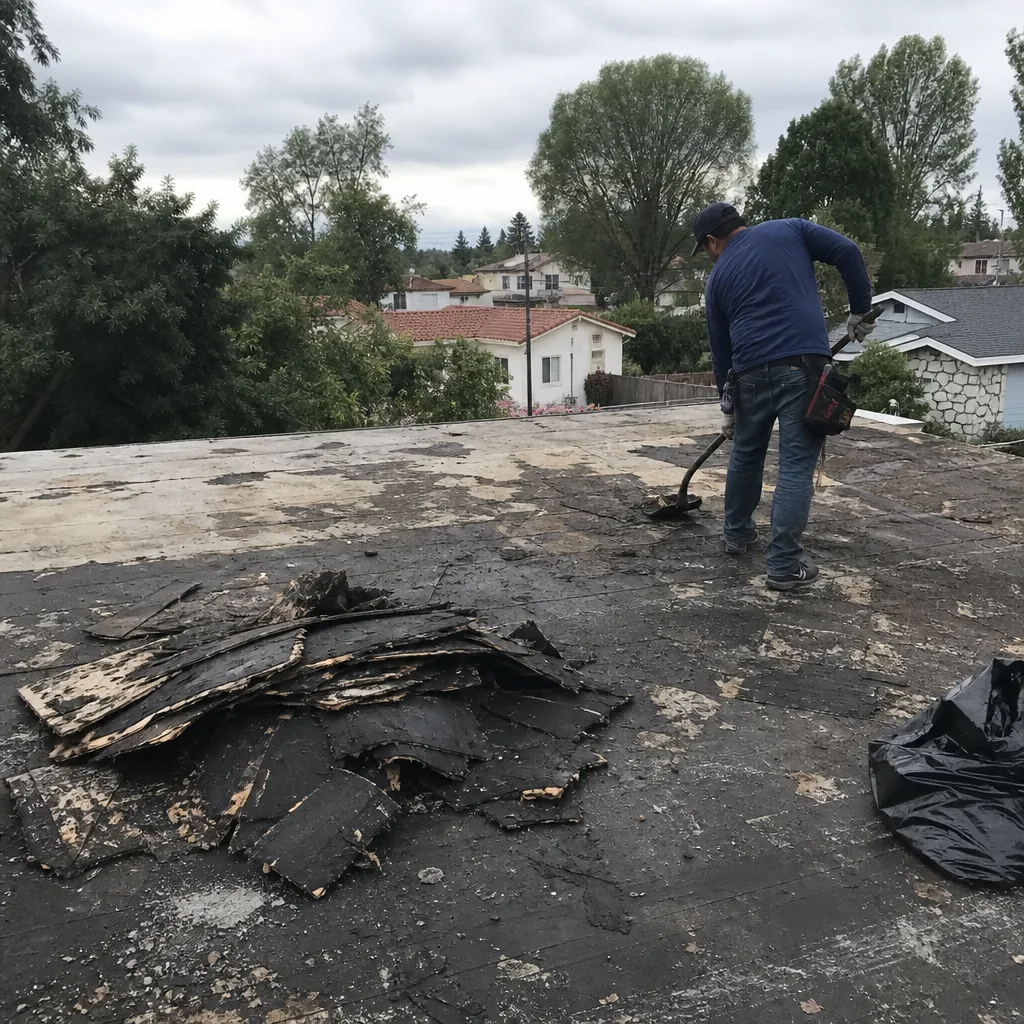 Before
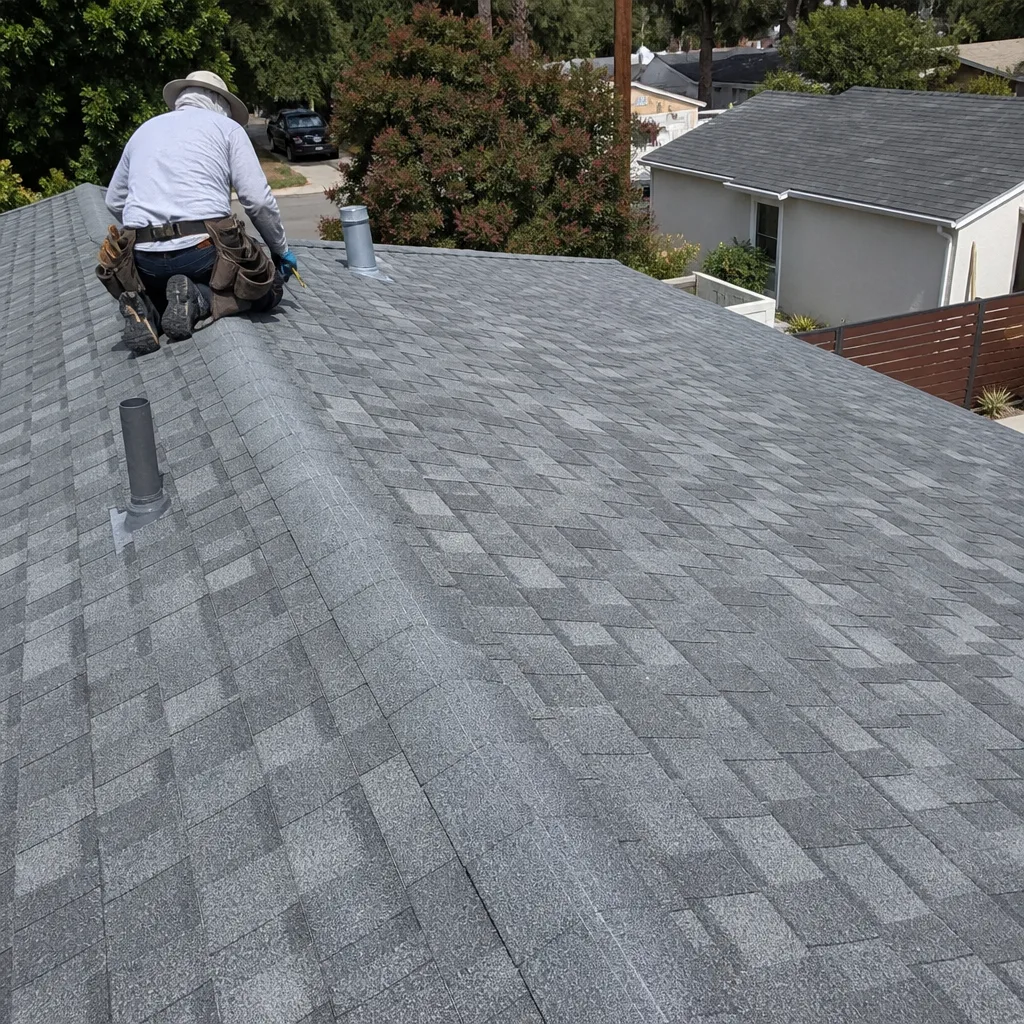 After