
Last updated October 31, 2026
 Architectural shingles
 Metal roofing
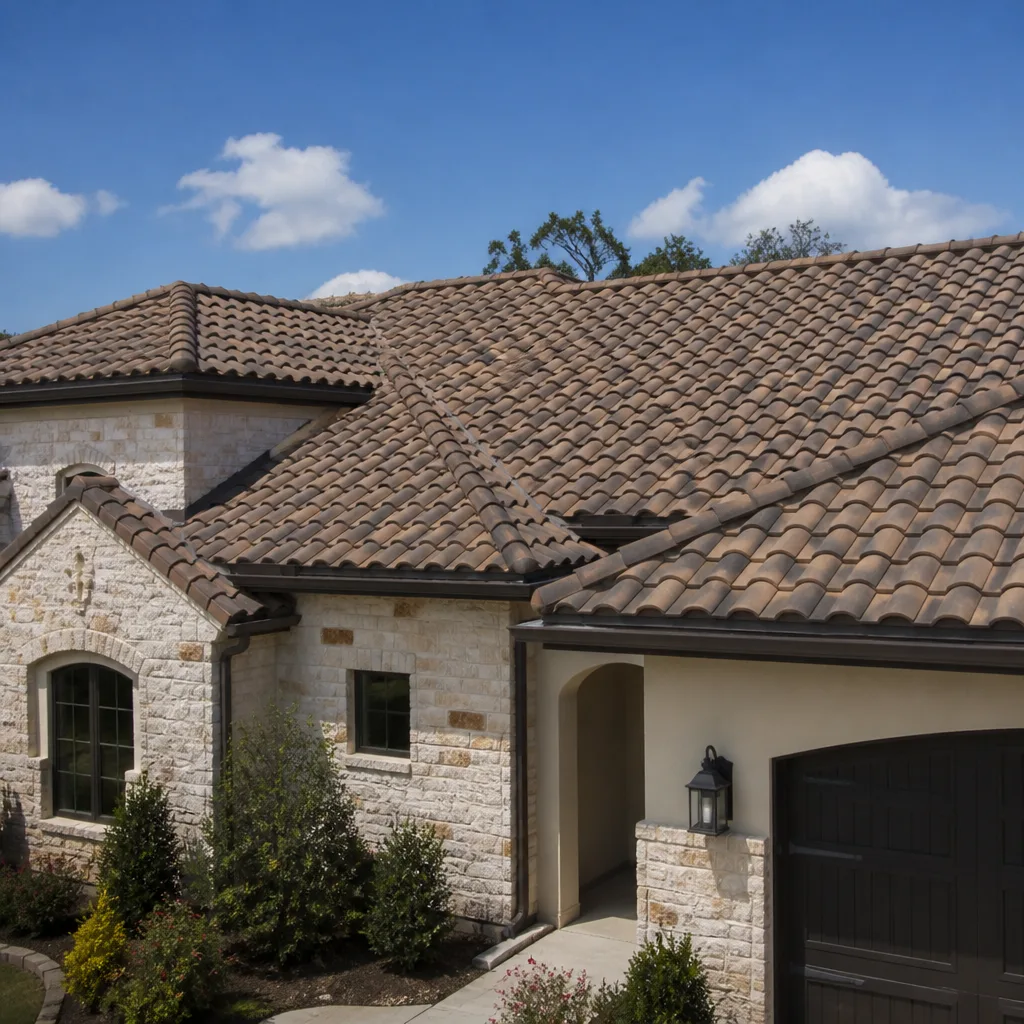 Tile roofing
 GAF
 Owens Corning
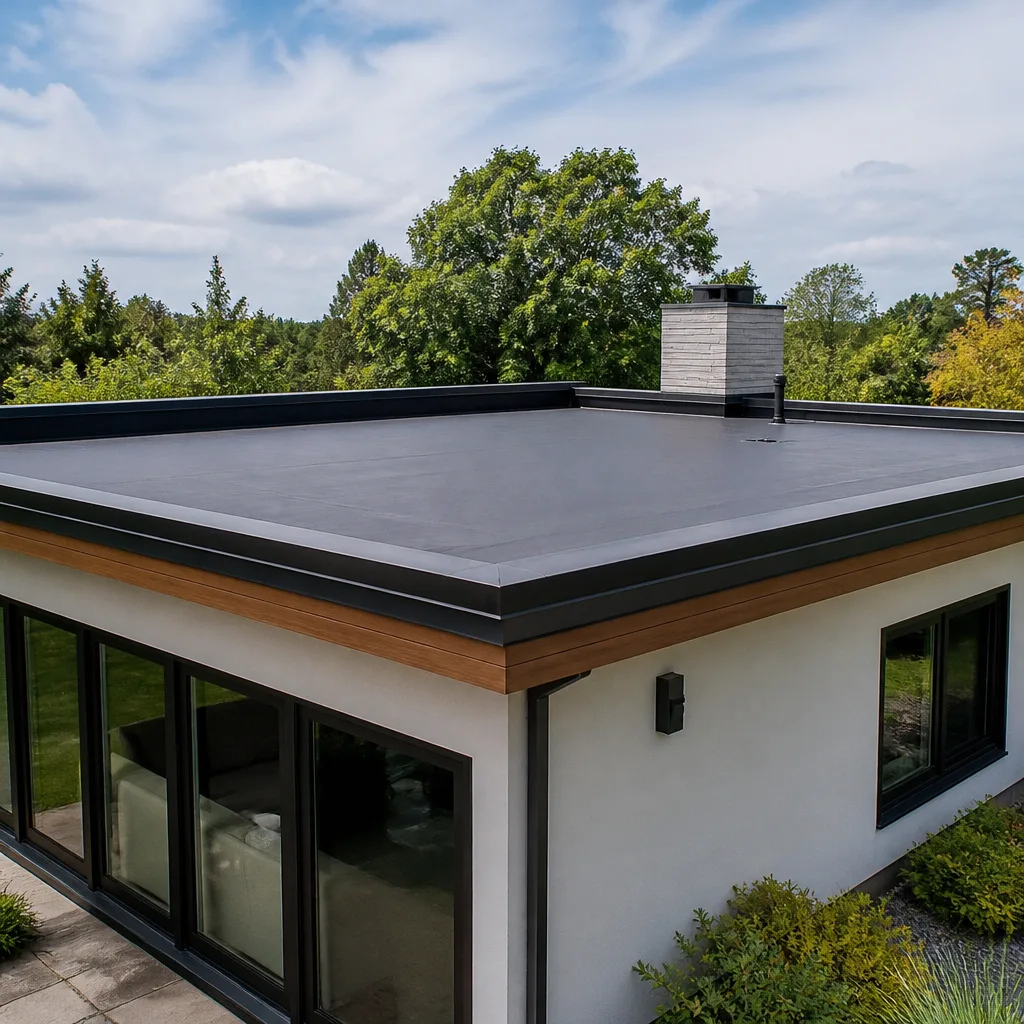 Flat & low-slope
Free roof inspection with deck photos before we talk money - GAF and Owens Corning certified installation
Roof Repair Troubleshooting: Common Problems and How to Fix Them
The wet spot on your ceiling is almost never directly below the leak. Replacing the shingles above it is one of the most common, and costly, DIY mistakes homeowners make. Water doesn’t fall straight down through a roof. It travels along rafters, follows the slope of the sheathing, pools against nail heads, and drips at the lowest accessible point, which might be six or ten feet from the actual breach. This guide teaches you to trace roof failures backwards from symptom to source, so you stop guessing, stop replacing the wrong materials, and start fixing the actual problem. As a Hollywood Roofing Co home team that’s walked thousands of attics across Los Angeles, we’ve seen the same misdiagnoses repeat for decades, and the fix usually starts with understanding how water actually behaves once it gets past the surface.
Styles & brands we work with
Quick Answer
Roof Repair services start with locating the true entry point, not the visible interior stain. In most cases, you’ll trace a leak from the attic by following water stains or moisture on the underside of the roof deck back up toward the eaves, the valley, or any penetration like a vent pipe, chimney, or skylight. Common problems include failed flashing, worn pipe boots, cracked shingles, condensation, and gutter backup, and each has a distinct diagnostic signature you can identify with a flashlight, a garden hose, and a little patience.
Table of Contents
- How Water Actually Travels Through a Roof
- The Five Most Misdiagnosed Roof Problems
- Flat and Low-Slope Roof Troubleshooting in Hollywood
- How to Use a Wet Weather Window to Document Active Leaks
- Red Flags That a Repair Won’t Hold
- What Common Roof Repairs Cost in Hollywood
- Common Mistakes to Avoid
- When to Call a Professional
- Frequently Asked Questions
- The Bottom Line
How Water Actually Travels Through a Roof
Most homeowners assume water enters a roof and goes straight down. It doesn’t. Gravity pulls water along the path of least resistance, and that path is rarely vertical. Once water gets under a shingle or through a breach in the underlayment, it moves sideways along the roof deck, follows the slope of the sheathing, hits a rafter or truss, and runs along that framing member until it finds a seam, a knot, or a fastener to drip from. By the time it shows up as a stain on your ceiling, the entry point can be several feet upslope and to the side.
Here’s what actually happens, step by step:
- Entry: Water breaches the outermost layer (shingle, tile, membrane, or flashing) at a specific point, often a nail hole, a cracked shingle, a failed seal, or a rusted flashing edge.
- Travel: Once beneath the surface layer, water hits the underlayment or roof deck. If the underlayment is intact, the water moves along the top of it, following gravity. If the underlayment has a gap, tear, or improper lap, water can pass through and reach the wood deck.
- Deflection: Water encounters rafters, trusses, blocking, seams in the sheathing, and fasteners. Each of these can redirect the flow. A rafter running perpendicular to the water’s path acts like a channel, carrying the water to a completely different part of the attic.
- Drip point: The water finally drips from the lowest point it can find, often where a rafter meets a top plate, where a fastener protrudes, or where insulation has compressed against the deck. That drip point is what you see on the ceiling, and it may be far from the actual entry.
In our experience with attics across Hollywood, from the hillside homes above Beachwood Canyon to the flat-roofed bungalows near Melrose, we’ve found leaks where water entered at a vent pipe near the ridge and dripped through a light fixture ten feet away near an exterior wall. The only reliable way to trace the path is to get into the attic during or immediately after rain, look at the underside of the roof deck, and follow the moisture trail upward and outward. That trail is your roadmap to the real problem.
The Five Most Misdiagnosed Roof Problems
These are the failures homeowners get wrong most often. Each one produces symptoms that mimic other problems, and each one has a specific diagnostic signature. Learning to recognize the difference saves you from paying for repairs that don’t solve the underlying issue.
1. Condensation vs. Leak
Condensation happens when warm, moist air from inside the home rises into a cold attic and deposits water on the underside of the roof deck. The symptom is widespread, uniform dampness, often across the entire attic, not a single wet trail. Condensation also shows up as dark staining on the underside of the sheathing, mildew on insulation, and sometimes droplets on nails. A leak, by contrast, produces a localized, directional stain that gets worse after rain. Condensation is more common in Hollywood homes built before modern ventilation standards, especially those with unvented bathrooms, laundry rooms, or kitchens. The fix is ventilation and air sealing, not roofing.
A simple test: inspect the attic on a cold, dry morning after a clear night. If the underside of the deck is damp but it hasn’t rained in days, you have a condensation problem, not a roof leak.
2. Flashing Failure vs. Shingle Failure
Flashing is the metal, typically galvanized steel or aluminum, installed at every transition point: chimneys, skylights, vent pipes, walls, valleys, and roof-to-wall intersections. Flashing fails by rusting through, lifting at the edges, or losing its sealant. Shingles fail by cracking, curling, blowing off, or losing granules. The signature of flashing failure is a leak near a transition point that appears even when the shingles nearby look fine. The signature of shingle failure is a leak that corresponds to an area of visibly damaged or missing shingles. In our experience, flashing is the culprit far more often than homeowners expect. Shingles get blamed because they’re visible; flashing gets overlooked because it’s hidden under shingles, counter-flashing, or sealant.
3. Gutter Backup vs. Membrane Breach
When gutters clog, water backs up behind the drip edge, saturates the fascia, and can wick into the roof deck at the eave line. The symptom is staining at the very bottom edge of the roof, along the eaves, and often down the exterior wall near the gutter line. A membrane breach, by contrast, is a tear or puncture in the underlayment, the material beneath the shingles that serves as the true waterproofing layer. Membrane breaches can happen anywhere on the roof surface, and they often occur during installation, from foot traffic, or from a falling branch. Gutter backup shows up at the perimeter; membrane breach shows up mid-field. The easiest way to tell them apart: clean the gutters, wait for the next rain, and see if the leak persists. If it does, you’re looking at a membrane issue.
4. Pipe Boot Failure vs. Ridge Vent Leak
The rubber boot around a plumbing vent pipe cracks over time, especially in the Southern California sun. When it fails, water runs straight down the pipe and drips into the attic near the vent stack. The symptom is a small, localized stain around the pipe itself, often not visible from outside. A ridge vent leak, on the other hand, shows up as water entering along the peak, usually during wind-driven rain. Wind can push water up under the ridge vent cap, especially if the vent was installed with the wrong profile for the shingle type or if the cap has shifted. The diagnostic difference is location: pipe boot leaks are near penetrations, ridge vent leaks are along the peak, and they show up on windy, rainy days specifically.
5. Skylight Flashing vs. Skylight Seal Failure
Skylights fail in two primary ways. The flashing kit, which is the metal collar that integrates the skylight with the surrounding shingles, can lift, corrode, or develop gaps. The skylight’s own seal, where the glass or dome meets the frame, can also fail, allowing water to enter the unit itself. The symptom of the first is water staining around the skylight well on the ceiling, typically showing up after rain. The symptom of the second is condensation or water inside the skylight unit between the panes, which often appears even without rain. Diagnosing which one you have requires getting on the roof or using a moisture meter at the well. The repair paths are completely different, replacing flashing versus replacing the skylight, so getting this diagnosis right matters.
Flat and Low-Slope Roof Troubleshooting in Hollywood
Hollywood has a significant stock of flat and low-slope roofs, particularly on bungalows, mid-century modern homes, and the apartment buildings that line the streets north and south of Sunset. Troubleshooting a flat roof is fundamentally different from troubleshooting a pitched roof. The diagnostic logic changes entirely.
On a pitched roof, water is supposed to shed quickly. Leaks are localized and traceable. On a flat roof, water is designed to pond briefly, flow to drains or scuppers, and exit through a controlled path. When that path fails, water sits, and the failure becomes chronic. The most common flat-roof problems in Hollywood break down like this:
- Ponding water: Water that stands for more than 48 hours after rain indicates a sag in the structural deck or a blocked/low drain. Ponding accelerates membrane breakdown and eventually causes the roof to fail at the low point. The fix may be as simple as clearing the drain or as involved as adding a tapered insulation system to redirect flow.
- Drain and scupper blockages: Leaves, debris, and the occasional tennis ball clog flat-roof drains. Water backs up, rises above the membrane’s flashing height, and enters under the metal edging. The symptom is a leak near the drain or along the parapet wall after heavy rain.
- Membrane cracks and splits: Older built-up roofs (BUR) and modified bitumen membranes crack at seams, at penetrations, and where the membrane meets parapet walls. These cracks are often hairline and hard to spot from the ground, but they open up as the roof expands and contracts with temperature changes, which in Hollywood means daily thermal cycling.
- Failed patches and previous repair attempts: Flat roofs accumulate patches. If a previous contractor sealed a crack with tar or coating without prepping the surface, the patch will peel and create a new leak path within a year or two. We frequently remove layers of old, failed repair material from Hollywood flat roofs, often finding the original membrane is still serviceable underneath.
- Penetration failures: Pipes, HVAC curbs, and vents passing through a flat roof rely on pitch pans or specialized boots. These fail faster on flat roofs because water sits around them for hours rather than shedding past in minutes.
The distinction matters because a repair approach that works on a pitched roof, replacing shingles or re-nailing to the deck, does not transfer to a flat roof at all. Flat-roof repair is about sealing, re-flashing, and restoring drainage. Material choice matters too. For modified bitumen systems, we often recommend products from GAF or CertainTeed because their low-slope lines are designed for consistent long-term performance in the Southern California sun. For homeowners who need a budget-conscious fix, Tamko offers modified bitumen products that hold up well without the premium price tag.
How to Use a Wet Weather Window to Document Active Leaks
The single best thing you can do before calling a contractor is to document a leak while it’s active. You don’t need to wait for a storm, and you don’t need to buy any equipment beyond what you already own. Here’s how to do it safely and effectively:
- Wait for real rain, not drizzle. Light sprinkles may not penetrate a marginal leak. You need sustained rain, at least 15 to 20 minutes of steady precipitation, to get water moving through the breach.
- Get into the attic during the rain. Bring a bright flashlight and your phone. Do not stand on the joists; kneel or sit on a stable surface. Look at the underside of the roof deck. You’re hunting for glistening moisture, not just stains.
- Mark the entry point with a marker or tape. When you find the point where water is coming through the deck, mark it. If you can’t reach it, take a photo with a wide shot and a close shot so the contractor can locate it later.
- Measure and photograph the path. From the drip point, trace the water trail upward and outward. Use your phone’s camera to document the entire path. Photos taken during active leaking are more useful than any inspection report, because they show the contractor exactly where the water travels.
- Note the wind direction and speed during the rain. Some leaks only occur with wind-driven rain from a specific direction. If your leak appears only when storm fronts come in from the west, that’s a clue about the location and the type of failure, often flashing along a wall or a ridge vent.
- Document the interior stain too. Measure the distance from the stain on the ceiling to the nearest wall and to the nearest exterior corner. This helps a contractor correlate the interior mark with the attic evidence.
- Keep everything dry and safe. Attics are dusty, nail-studded, and sometimes home to rodents. Wear long sleeves, a dust mask, and gloves. If you don’t feel safe, don’t go up. A professional Roof Inspection in Hollywood can do this during the next storm cycle.
This documentation pays off in two ways. It saves the contractor time, which saves you money on diagnostic labor. And it prevents the frustrating scenario where a contractor arrives on a sunny day, finds no visible leak, and tells you everything looks fine. Roofs leak when it rains, not when it’s dry. Your photos from the wet window are the difference between a real diagnosis and a guess. For Roofing Emergency Preparedness Guide for Hollywood Homes, check our resources.
Red Flags That a Repair Won’t Hold
Some roofs should not be patched. In our experience, homeowners often spend more money on repeated patches than they would have spent on a proper Roof Replacement in Hollywood. Knowing when to stop repairing and start replacing requires recognizing the red flags that indicate structural or systemic failure.
- Soft or spongy roof deck: If the plywood or OSB deck feels soft when walked on, water has been saturating the wood for a long time. The deck is rotting. A patch over rotted decking does nothing because the structural material underneath can’t hold fasteners. The deck section needs to be cut out and replaced before the surface layer can be repaired.
- Repeated leaks in the same spot: If the same area leaks after two or three repair attempts, the underlying problem was never solved. The most common cause is a hidden membrane breach or a flashing issue that surface patching can’t address. Each failed repair adds cost and delays the real fix.
- Widespread granule loss: Check the gutters and downspouts. If you see significant asphalt granules accumulating, your shingles are losing their protective surface. In Hollywood’s heat, granule loss accelerates once shingles pass the 15 to 20 year mark. When granule loss is widespread across the roof, the shingles are nearing the end of their functional life, and spot repairs become a losing game.
- Brittle or cracking shingles in multiple areas: One cracked shingle is a repair. Twenty cracked shingles across different roof slopes indicate the entire shingle layer is brittle and failing. The replacement cost of those shingles, plus the labor, often approaches the cost of a new roof with modern materials.
- Daylight visible through the roof deck from the attic: This is an obvious and severe sign. If you can see daylight through the roof when you’re in the attic, the deck or the underlayment has failed completely, and water is entering freely during rain.
- Ceiling stains that grow between rain events: If a stain on the ceiling continues to grow during dry weather, the water that soaked into the deck or insulation is still migrating. This means the leak has been active for a long time, and the structural materials have absorbed significant moisture.
If you’re seeing two or more of these red flags, a repair may not be the right financial decision. A roofing professional can walk the roof, measure the deck composition, and tell you whether the remaining life of the surface layer justifies the cost of another patch. At Hollywood Roofing Co, our Roof Repair in Hollywood assessments always include a straight answer on whether repair or replacement makes more economic sense, because our recommendation is matched to your home, not to our schedule.
What Common Roof Repairs Cost in Hollywood
Prices in Los Angeles shift with material costs, labor rates, and the accessibility of the roof. Here’s a range estimate for the most common repairs we handle across Hollywood, from the flats to the hills:
| Repair Type | Typical Range | Notes |
|---|---|---|
| Pipe boot replacement | $200 – $450 | Single penetration, includes new boot and sealant. Most common leak source on pitched roofs. |
| Small shingle patch (under 25 sq ft) | $350 – $700 | Includes shingles, underlayment repair, and labor. Price varies with roof pitch and accessibility. |
| Flashing repair (chimney or wall) | $450 – $1,200 | Depends on access and whether counter-flashing or step flashing needs replacement. |
| Flat-roof membrane patch | $400 – $900 | For modified bitumen or BUR systems. Larger cracks or multiple patches cost more. |
| Skylight flashing replacement | $500 – $1,100 | Includes new flashing kit. Full skylight replacement runs significantly higher. |
| Gutter-related eave repair | $300 – $800 | Includes fascia repair if water damage extends beyond the gutter line. |
| Temporary tarp or emergency mitigation | $250 – $600 | For active leaks during storm events. Stops water entry until proper repair is scheduled. |
These ranges reflect what we see across Hollywood’s housing stock: 1920s Spanish-style homes in the flats, mid-century moderns with low-slope roofs in the hills, and newer constructions that still need periodic maintenance. Your specific price depends on roof access, the number of layers on the deck, and the material system you choose for the replacement. Call (833) 589-7971 for an exact quote; estimates are free, and we’ll give you a written line-item breakdown before any work starts.
Common Mistakes to Avoid
- Replacing shingles directly above the ceiling stain. As explained above, water travels. The stain is the drip point, not the entry point. Replacing shingles at the drip location leaves the actual breach open, and the next rain will produce the same stain.
- Using spray-on sealant or roof coating as a permanent fix. Spray coatings are temporary mitigation, not repair. They peel, crack, and trap water beneath the surface, making the eventual repair more expensive. If a contractor proposes coating as a long-term solution for a leak, get a second opinion.
- Ignoring the attic entirely. Many homeowners call a contractor without ever entering their own attic. We’re regularly told the leak is “somewhere around the chimney” only to find the actual entry point is a pipe boot on the opposite slope. Attic evidence is the most reliable diagnostic tool you have.
- Patching a roof with two or more layers of existing shingles. Wood decks are designed for a limited number of shingle layers. Adding a patch over multiple existing layers creates uneven surfaces, traps moisture between layers, and complicates future replacement. In Hollywood, where many homes still have original wood shake roofs under later layers, this is a common and expensive mistake.
- Waiting for a sunny day to investigate a leak. Leaks are easiest to identify during or immediately after rain. Waiting for dry weather means the contractor can’t see the active water path. Document during the wet window, then call.
- Skipping the underlayment on a repair. The shingle is the cosmetic layer. The underlayment is the waterproofing layer. A repair that replaces shingles without addressing a torn or missing underlayment will fail at the same spot. Ask any contractor what they’ll do about the underlayment before they start.
- Choosing a contractor based on material brand alone. A contractor who only installs one brand of shingles will recommend that brand regardless of your home’s needs. We work across seven brands, including Boral, GAF, CertainTeed, and Tamko, which means our recommendation is driven by what’s right for your roof, not what’s in our yard.
When to Call a Professional
Some problems are safe to diagnose yourself, but the repair itself belongs in professional hands. High-pitch roofs, steep hillside homes with limited access, multi-story structures without safe tie-off points, and any repair involving structural deck replacement should never be DIY’d. Falls from roofs are a leading cause of homeowner injury, and the cost of a hospital visit far exceeds the cost of a professional repair. If your roof is steep, wet, or more than one story off the ground, observe and document, then call a trained roofer.
Beyond safety, call a professional whenever the diagnosis isn’t clear. A leak that persists after two repair attempts, a stain that grows without rain, or widespread granule loss all require the judgment of someone who has seen the failure patterns across hundreds of Hollywood roofs. Hollywood Roofing Co offers free estimates in Hollywood. Call (833) 589-7971 to schedule one, and we’ll walk you through the diagnosis on the roof, not just from the ground.
Frequently Asked Questions
Get into the attic during or immediately after rain, look at the underside of the roof deck, and follow the moisture trail upward and outward from the drip point. The entry point is almost never directly above the ceiling stain. Mark the trail and photograph it before it dries.
Most targeted repairs in Hollywood run between $200 and $1,200 depending on the type of failure; pipe boot replacements are the most affordable, while chimney and skylight flashing repairs sit at the higher end of that range. Call (833) 589-7971 for a written estimate on your specific roof.
Most leaks get worse with each rain event, and the water that enters spreads through insulation, decking, and framing, expanding the repair scope and cost. Even a small, intermittent leak should be addressed within a few weeks if possible.
Flat-roof repairs involve specialized materials, seam preparation, and drainage awareness that differ significantly from pitched-roof logic. If you have a simple crack in a visible seam on a single-story roof with safe access and you’re experienced with the material system, a temporary patch is possible, but permanent repairs are best left to a professional.
Look for the red flags: soft decking, widespread granule loss, repeated same-spot leaks, brittle shingles in multiple areas, or visible daylight through the deck. If two or more are present, replacement is often the better financial decision. A professional roof inspection can quantify the remaining life of your current system.
Yes. We provide free written estimates for all repair and replacement work across Hollywood, and our estimates include a line-item breakdown of materials, labor, and scope so there are no change-order surprises later. Call (833) 589-7971 to schedule yours.
The Bottom Line
Roof troubleshooting comes down to one principle: trace the water, not the stain. Most misdiagnoses happen because homeowners and even some contractors treat the visible symptom as the problem. Water travels, flashing fails before shingles do, and flat roofs follow a completely different logic than pitched ones. Document your leaks during rain, understand the red flags that signal deeper trouble, and know the difference between a repair that will hold and a repair that’s just buying time. Whether you’re in a 1920s bungalow near Melrose or a mid-century modern in the hills, the same diagnostic discipline applies. Explore our more guides & resources for additional help. The roof is a system, not a surface, and fixing it right starts with understanding how that system actually behaves.
Written by the team at Hollywood Roofing Co, serving Hollywood since 2016.
Call (833) 589-7971 to schedule your free estimate, or reach out through our Hollywood Roofing Co home page to learn more about our inspection, repair, and replacement services.
See the difference
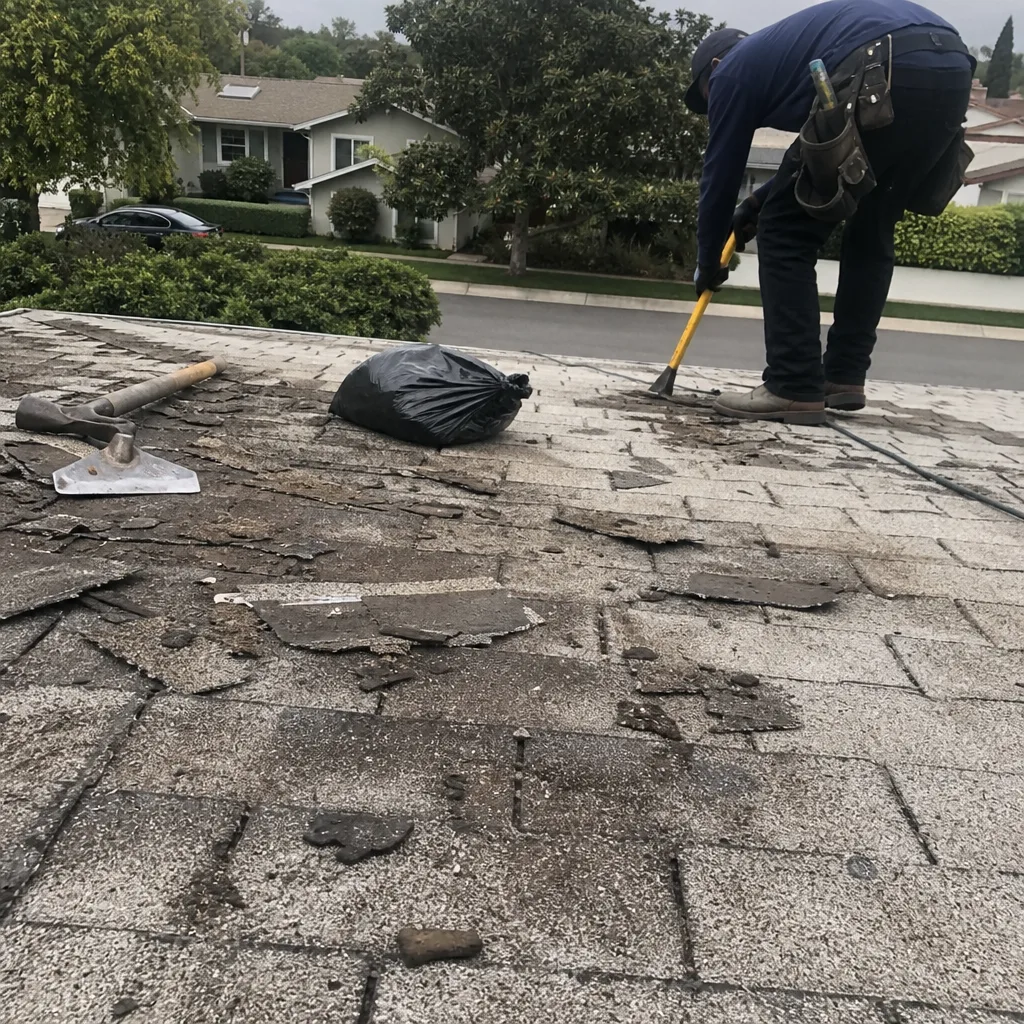 Before
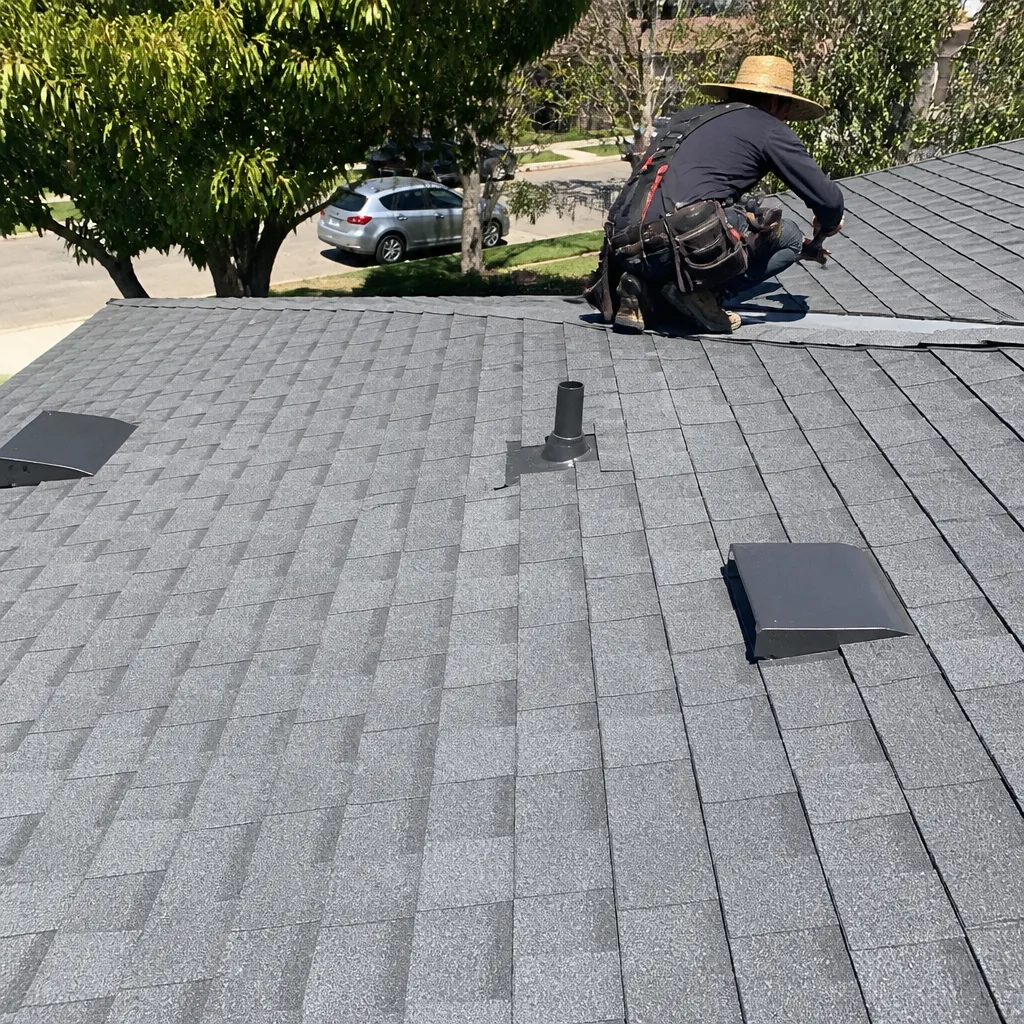 After
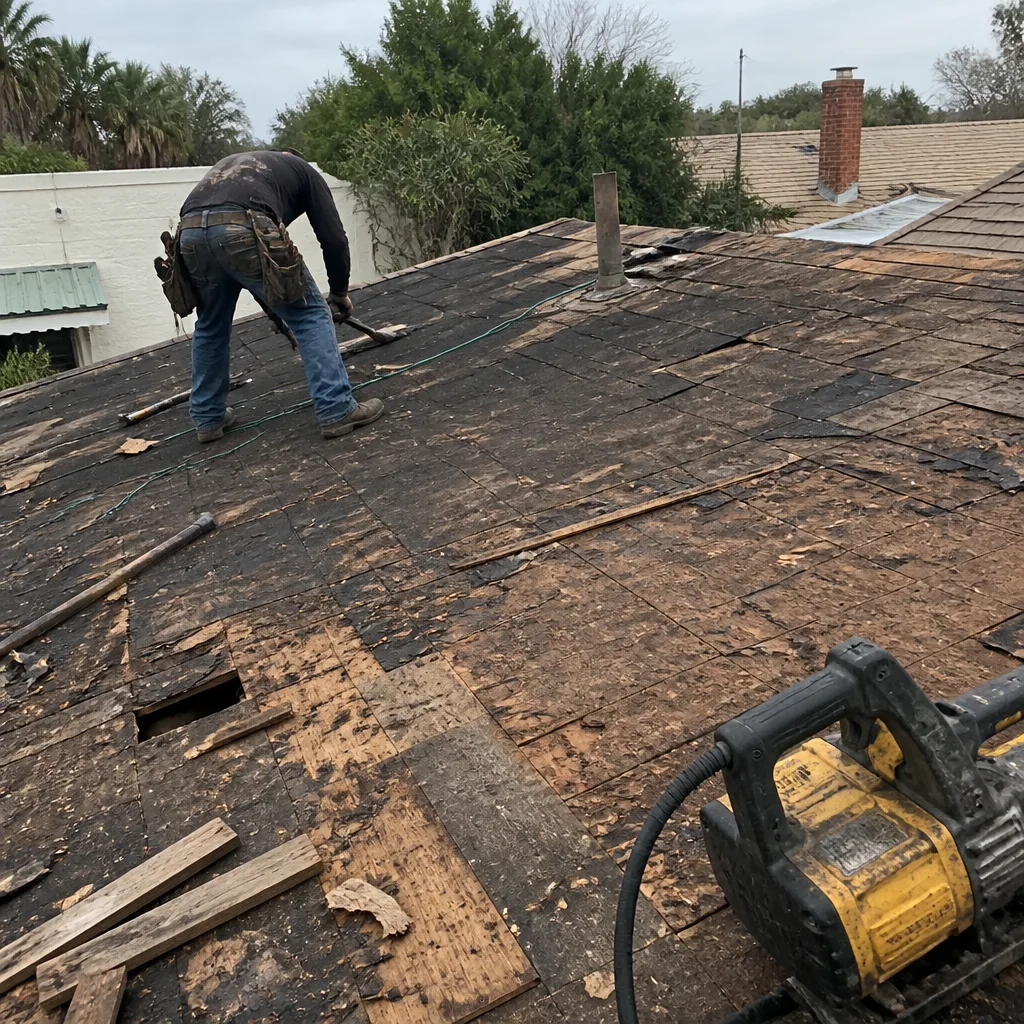 Before
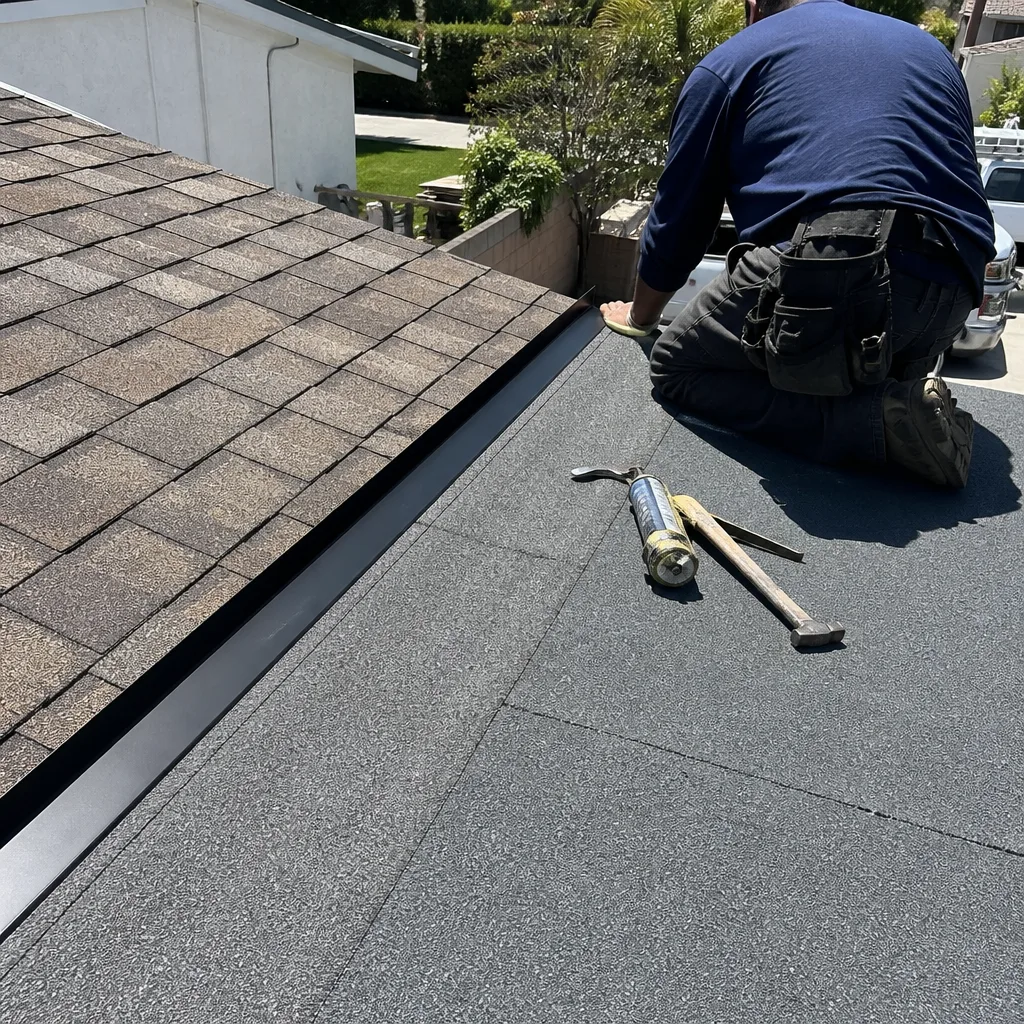 After
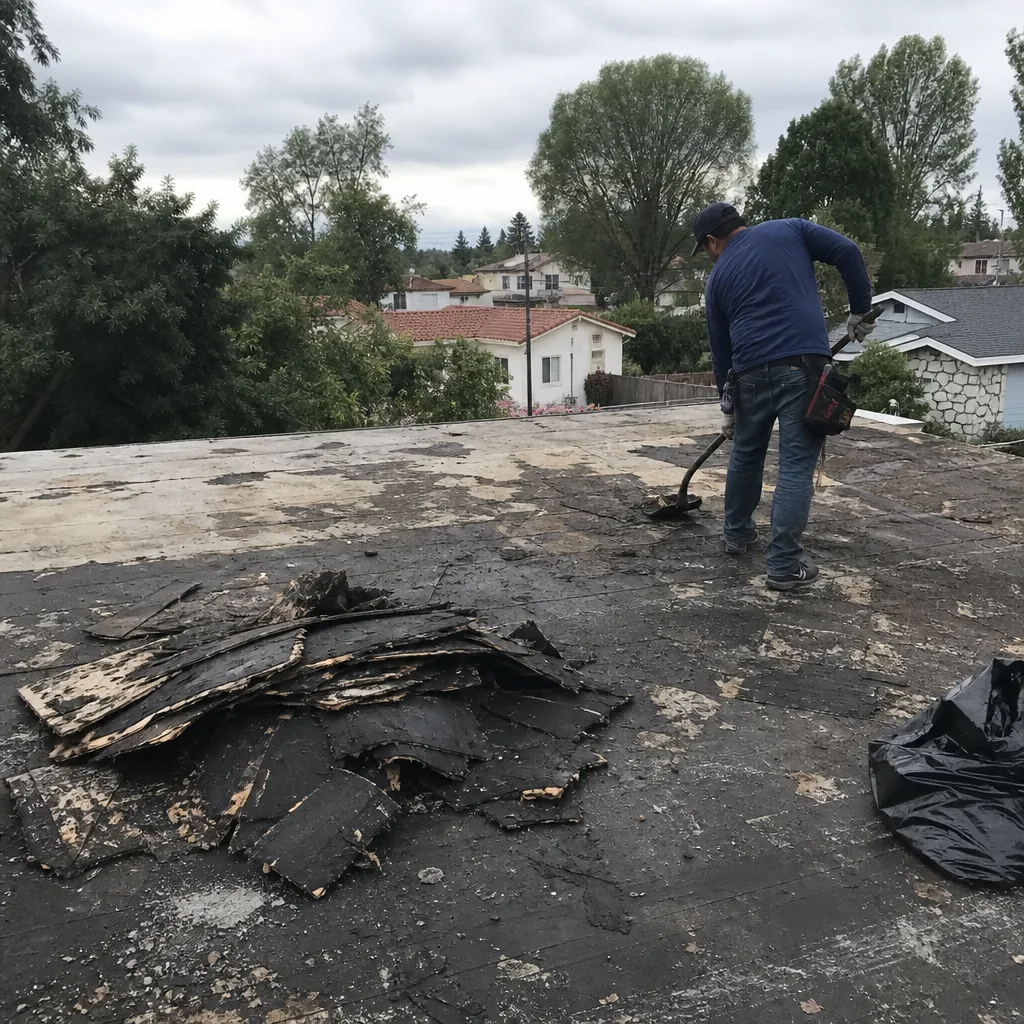 Before
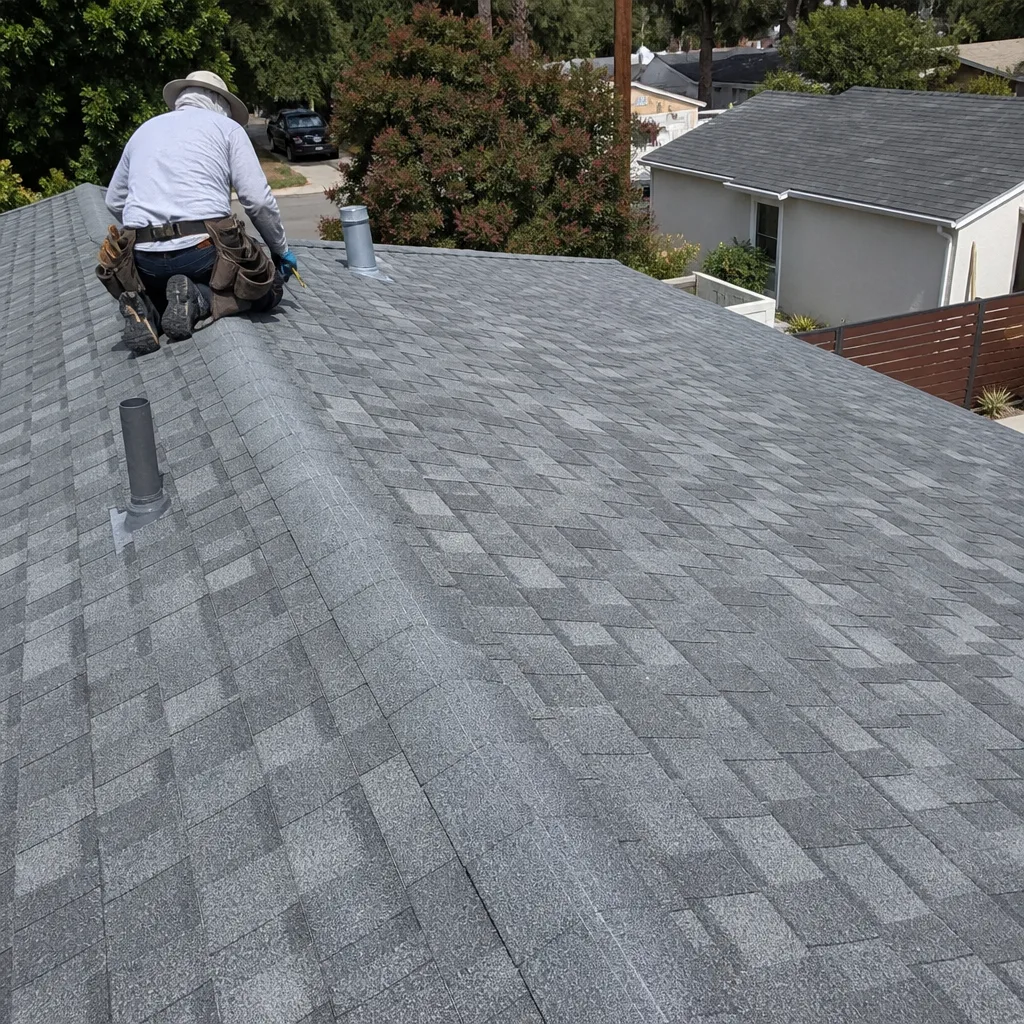 After