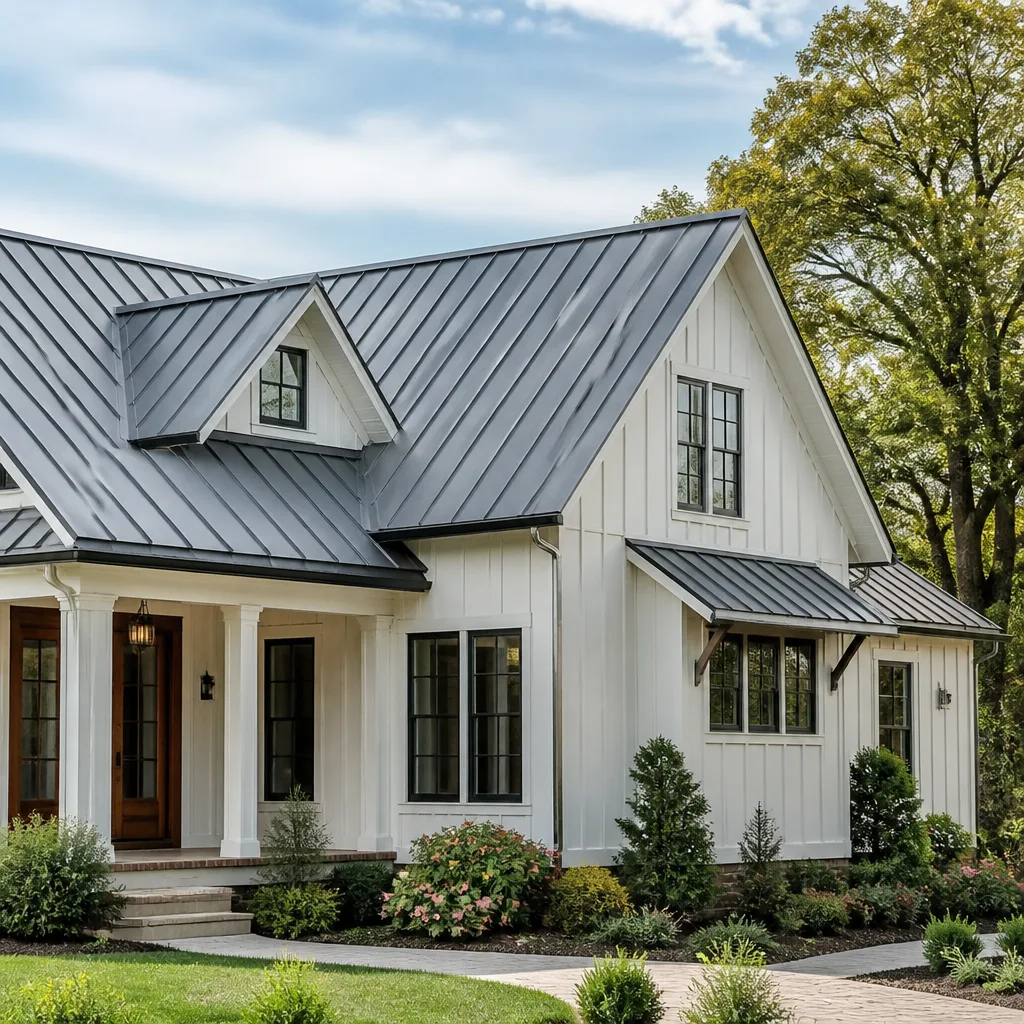
 Metal roofing
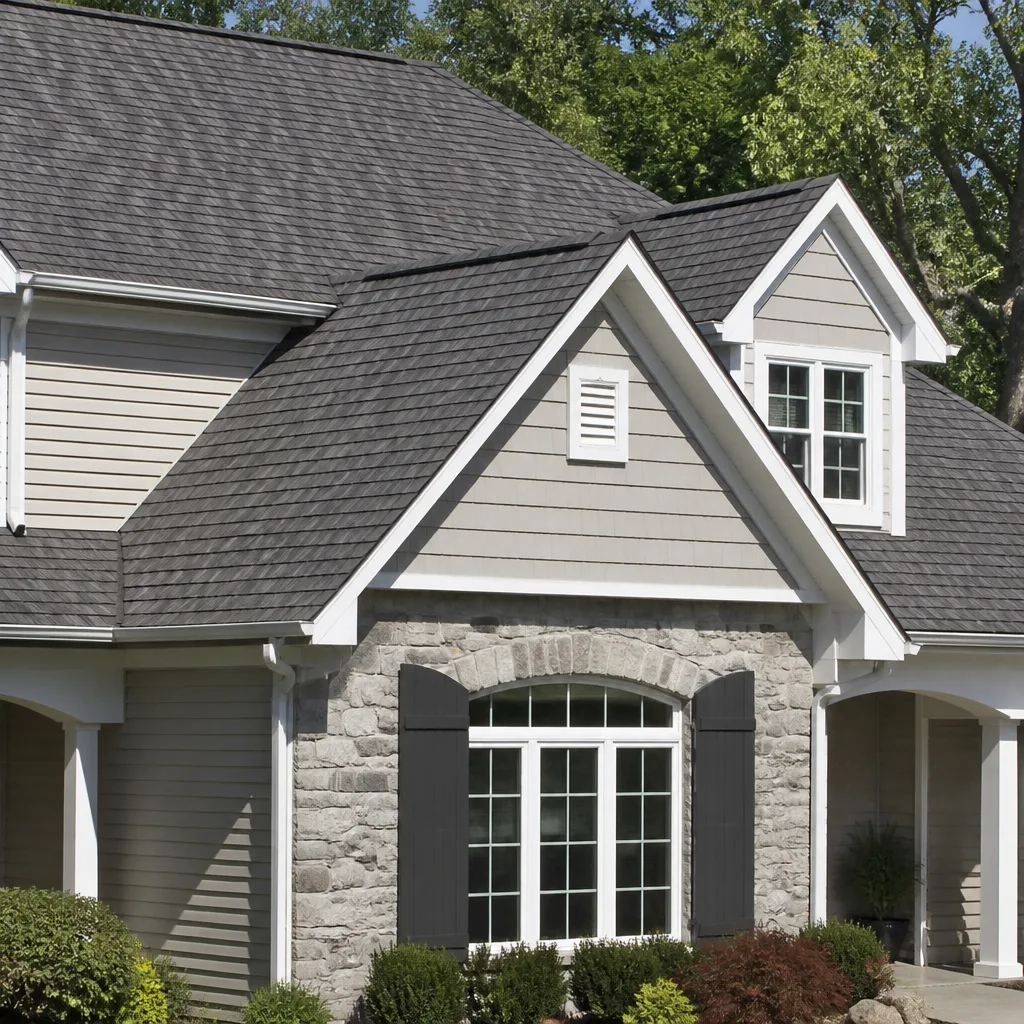 Architectural shingles
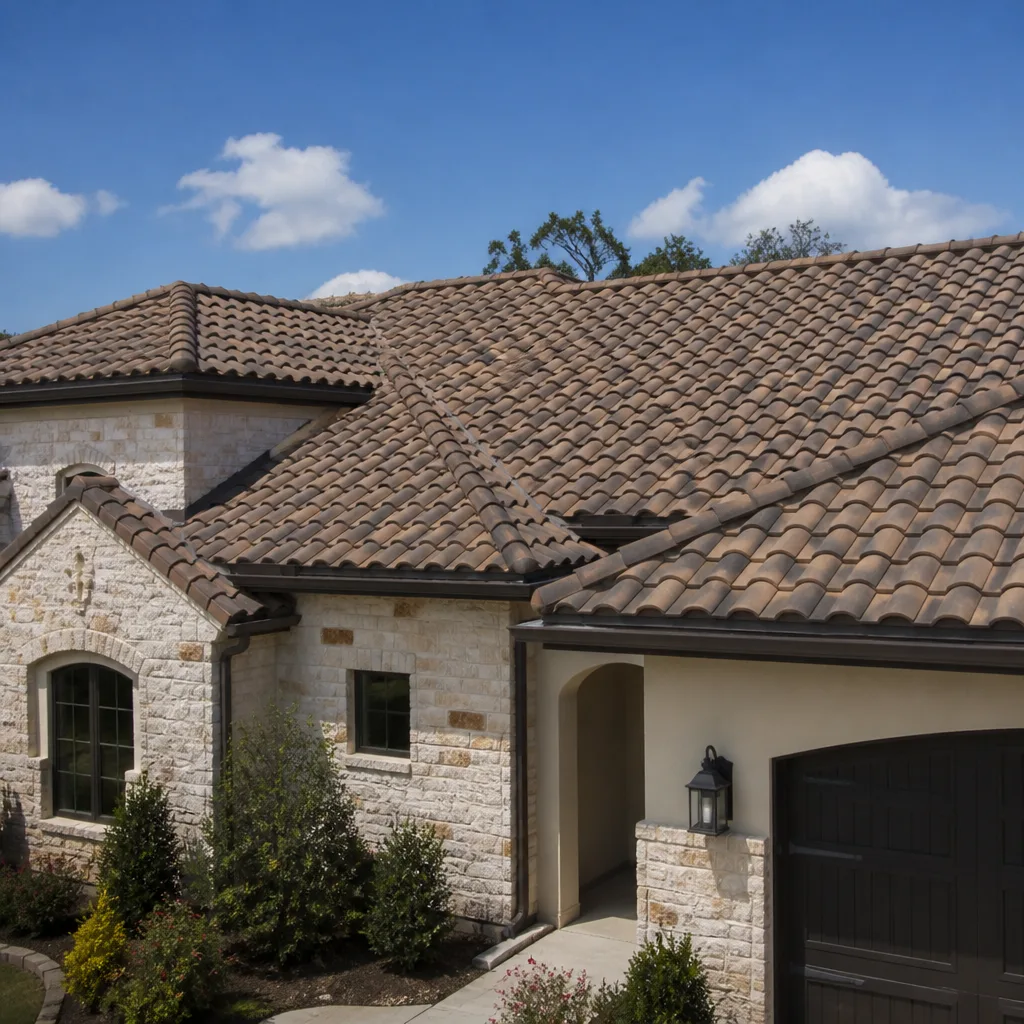 Tile roofing
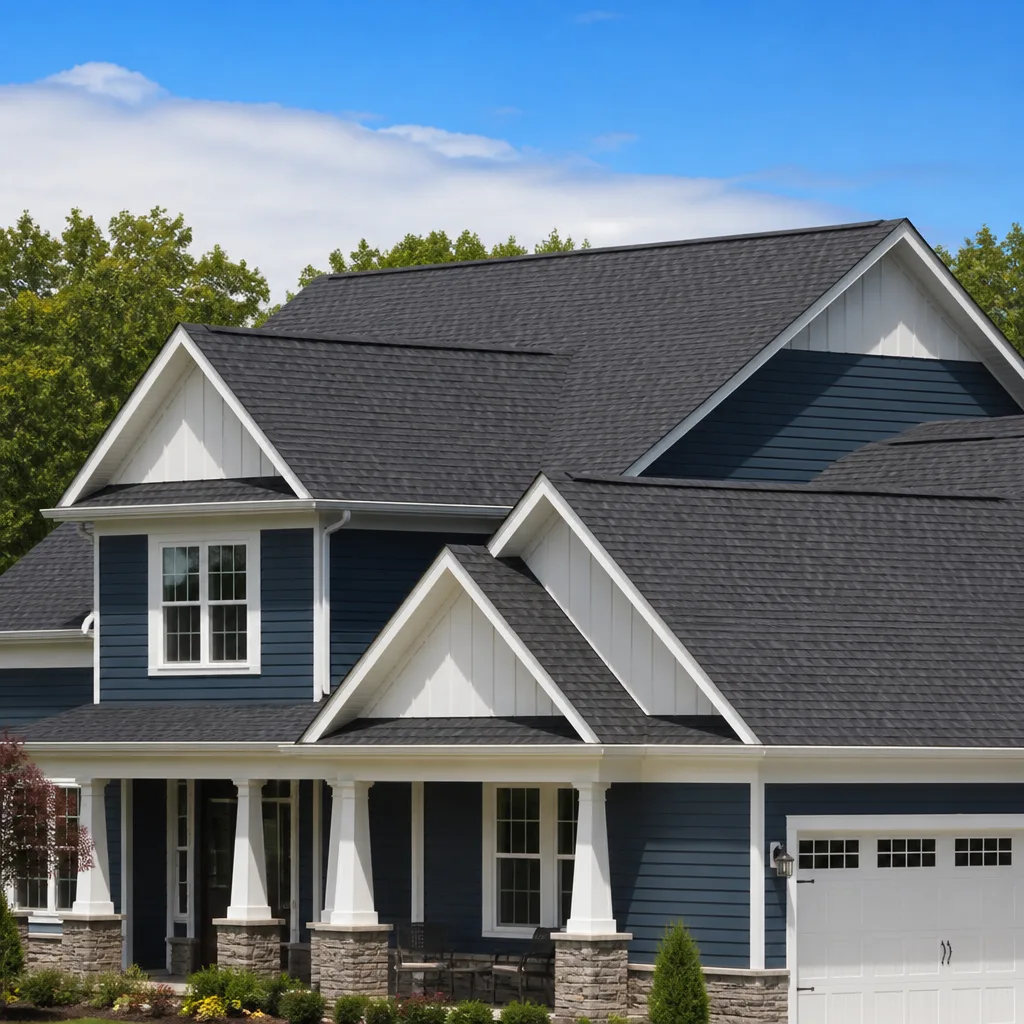 GAF
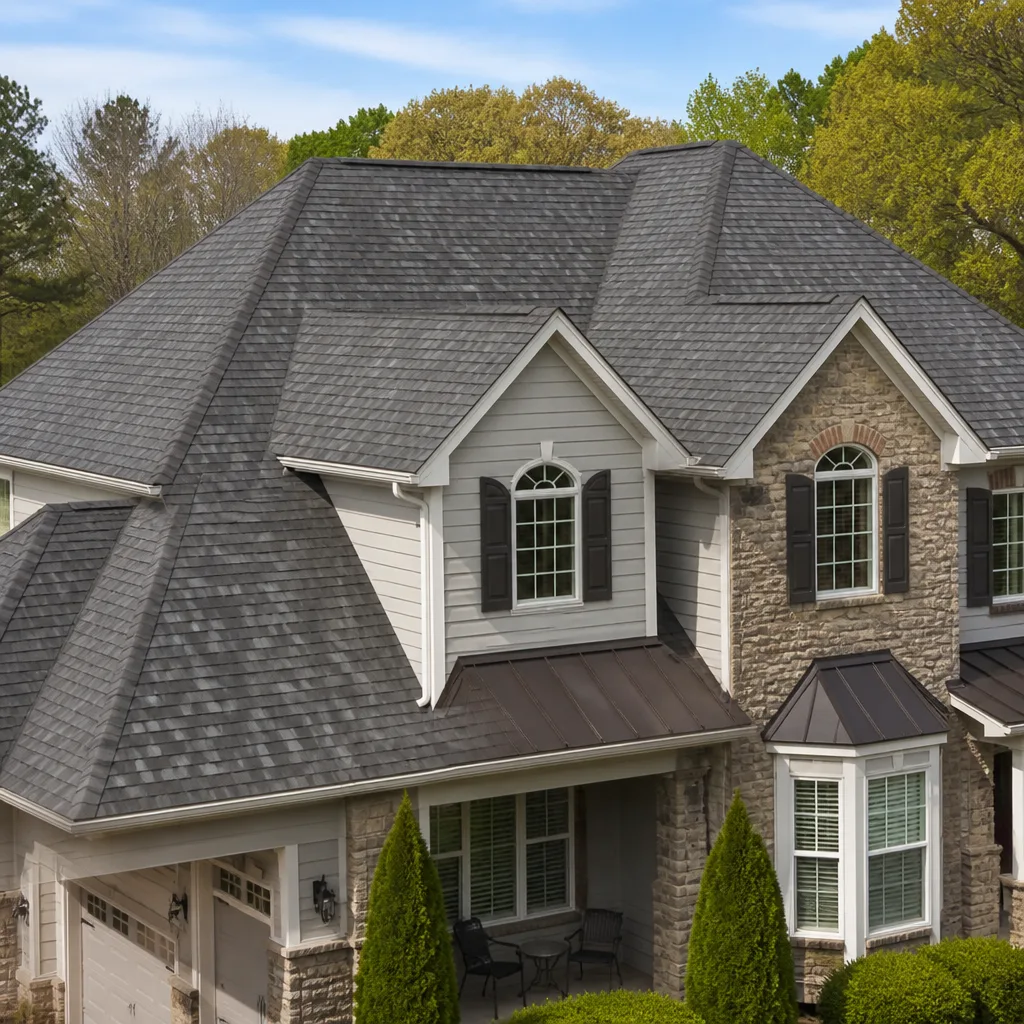 Owens Corning
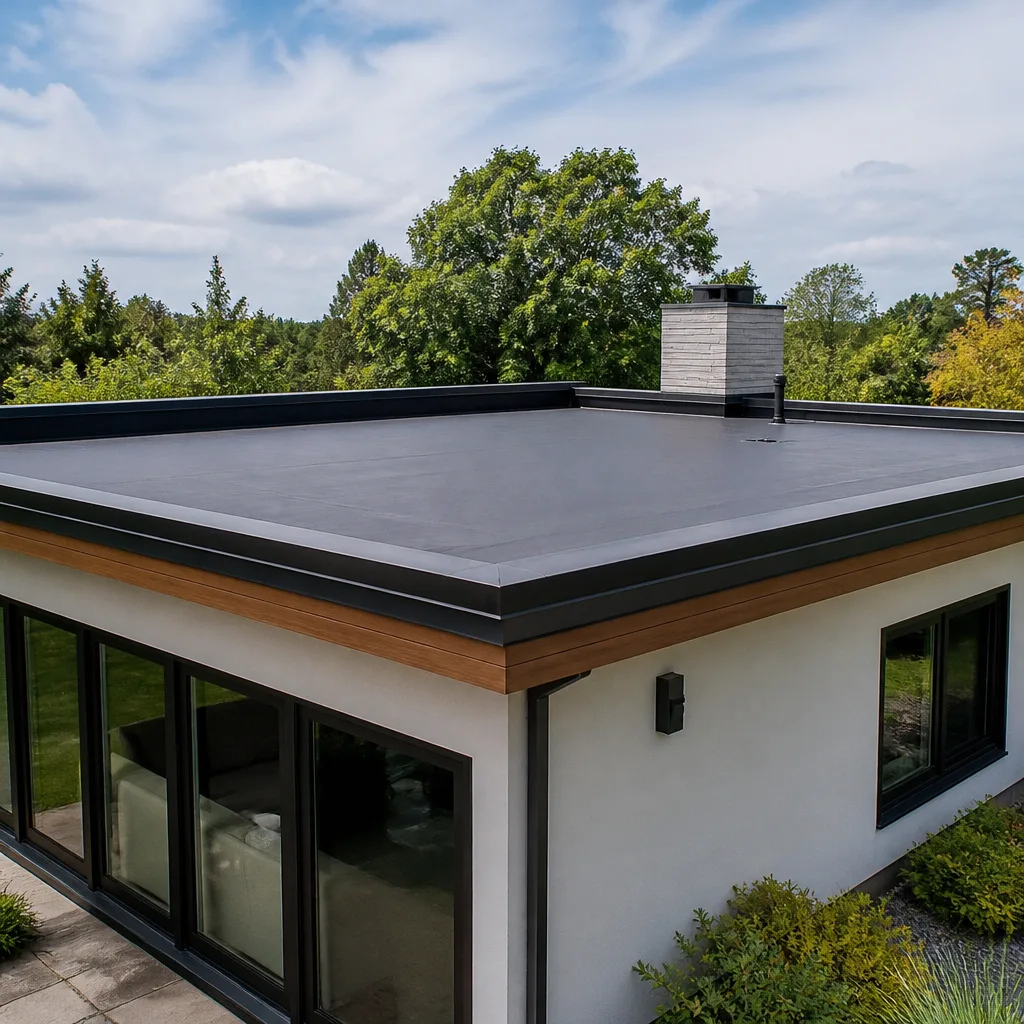 Flat & low-slope
Free roof inspection with deck photos before we talk money - GAF and Owens Corning certified installation
Fast, Reliable Roof Replacement Across Koreatown
Roof replacement in Koreatown typically runs $9,000 to $22,000 for the flat and low-slope membrane systems that dominate this neighborhood, with most apartment and mixed-use buildings landing between $14,000 and $19,000 depending on roof size, decking condition, and how many penetrations need flashing. That’s the honest range, and it reflects what we actually see on the 1920s to 1960s buildings packed between Wilshire and Olympic. We know Koreatown’s roofs because we work on them every week. If you’re looking at a membrane that’s failing around a cluster of rooftop HVAC units or a parapet wall that’s been patched too many times, call us at (833) 589-7971 and we’ll give you a straight answer about what needs replacing.
Why Hollywood Roofing Co Is Koreatown’s Preferred Roof Replacement Company
We didn’t pick Koreatown as a service area because it was convenient. We work here because the roof assemblies are genuinely complicated, and most roofing companies in Los Angeles don’t understand what they’re looking at. Koreatown is dense, vertically built, and full of flat and low-slope membranes on 2 to 4 story apartment buildings and mixed-use retail blocks. That’s a completely different job than the pitched residential re-roofs that dominate the rest of LA, and it demands a crew that knows membrane systems, parapet flashing, and wind-uplift ratings, not just shingle installation.
Roland Vega started Hollywood Roofing Co with a simple position: install all seven major roofing brands and let the building dictate the recommendation. We’re authorized installers for GAF, CertainTeed, Owens Corning, IKO, Atlas, Tamko, and Boral. That brand-agnostic approach matters in Koreatown because the right membrane for a 1928 apartment building near Western Avenue isn’t necessarily the right one for a 1962 mixed-use block on Vermont. We recommend based on the roof, not on supplier incentives. The same team that inspects a roof can repair or replace it, which means no handoff gaps and no finger-pointing between contractors. From the first inspection to the final nail, you’re dealing with one company that knows your building.
Styles & brands we work with
Roof Installation in Koreatown
Roof Installation in Koreatown almost always means a membrane system, not a shingle job. The building stock here, mostly constructed between the 1920s and 1960s, was built for flat and low-slope assemblies: stucco-over-wood-frame apartment buildings, unreinforced masonry commercial structures, and mixed-use retail with rooftop equipment crowding every square foot. A proper installation starts with a deck assessment, then moves to insulation and cover board, then the membrane itself, and finally flashing at every penetration, parapet, and edge detail. When a Koreatown homeowner or landlord needs this service, it’s usually because the existing hot-mop asphalt or single-ply membrane has reached the end of its life, or because a patch job failed and the leak came back. Expect to pay $9,000 to $22,000 for a full installation, with multi-family buildings usually at the higher end.
Membrane Systems for Flat Roofs
Koreatown’s flat roofs need systems built for low-slope drainage and heavy UV exposure. We install TPO, PVC, and modified bitumen systems, each matched to the building’s slope, foot traffic, and parapet configuration.
Decking and Cover Board
On older Koreatown buildings, the roof deck is often the weak link. We inspect decking for rot and deflection before any membrane goes down, and we add a cover board where the wind-uplift rating requires it.
Roof Replacement Contractor in Koreatown
Hiring a Roof Replacement Contractor in Koreatown is a different decision than hiring one in the Valley or the Westside. You need someone who understands membrane failings, parapet flashing, and how rooftop restaurant exhaust vents compromise even a good install. That’s what we do. A replacement here means removing the old system down to the deck, repairing or replacing damaged substrate, installing new insulation and cover board where needed, and laying a membrane that meets local wind-uplift and fire-rating requirements for low-slope assemblies. Koreatown landlords managing entire parcels of multi-family buildings need a contractor who can sequence work across multiple addresses without shutting down ground-floor businesses. That’s not a one-day shingle job. It’s a coordinated build, and it typically runs $12,000 to $22,000 per building.
Parapet and Flashing Work
Parapet walls are the signature of Koreatown’s older buildings, and they fail at the flashing before the membrane fails. We strip and re-flash parapets at every replacement, tying the new membrane into the wall system so water can’t work its way behind the stucco.
Multi-Building Parcel Coordination
When you own three or four apartment buildings on the same block, re-roofing each one is a logistics problem as much as a roofing problem. We sequence replacements so one building is always protected while the next is underway.
Trusted Brands We Service in Koreatown
Hollywood Roofing Co installs materials from seven leading brands, so the recommendation you get is matched to your building, not to what a single supplier wants to move. For Koreatown’s flat and low-slope roofs, we typically specify CertainTeed Flintlastic modified bitumen when the building has heavy rooftop traffic, GAF EverGuard TPO when water resistance and UV stability matter most, and Owens Corning membranes for budget-conscious landlord portfolios. IKO also has a strong modified bitumen line we use on smaller mixed-use buildings. Seven leading brands. One honest recommendation. And because we stock common flashing materials and membrane accessories locally, turnaround for Koreatown projects doesn’t stall waiting on parts.
Common Roof Replacement Problems We See in Koreatown Homes
- Shingles quoted on a low-slope roof. This is the mistake we see most often on Koreatown bids. Architectural shingles don’t meet the wind-uplift and fire-rating requirements for low-slope assemblies, so the roof fails early and the insurance claim gets denied. Any quote that specifies shingles for a flat Koreatown roof is wrong.
- Failed flashing around rooftop equipment. Koreatown roofs are crowded with HVAC units, swamp coolers, satellite dishes, and signage boards for ground-floor restaurants. Every one of those penetrations is a leak point. When flashing is slapped on instead of tied into the membrane, the leak comes back within two winters.
- Ponding from reused tapered insulation. Some contractors reuse insulation that’s lost its taper, which kills drainage and leaves water sitting on the membrane. Koreatown’s dry summers mask the problem until the December or January rains expose it as a full-blown leak.
- Missing permit and inspection paperwork. A roof replacement without code compliance documentation can void the manufacturer’s warranty and complicate insurance premium credits. We pull permits, pass inspections, and hand you the paperwork that proves the roof meets the local wind-uplift rating.
See the difference
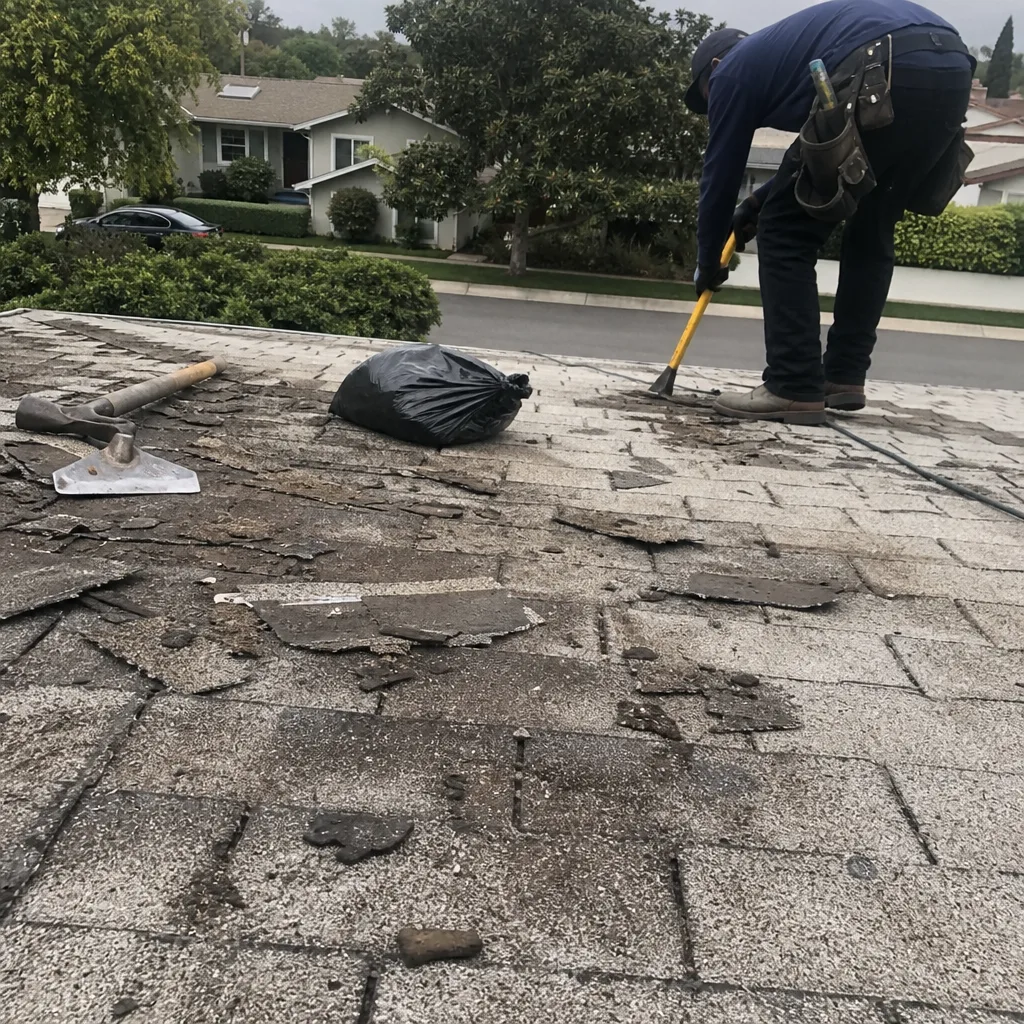 Before
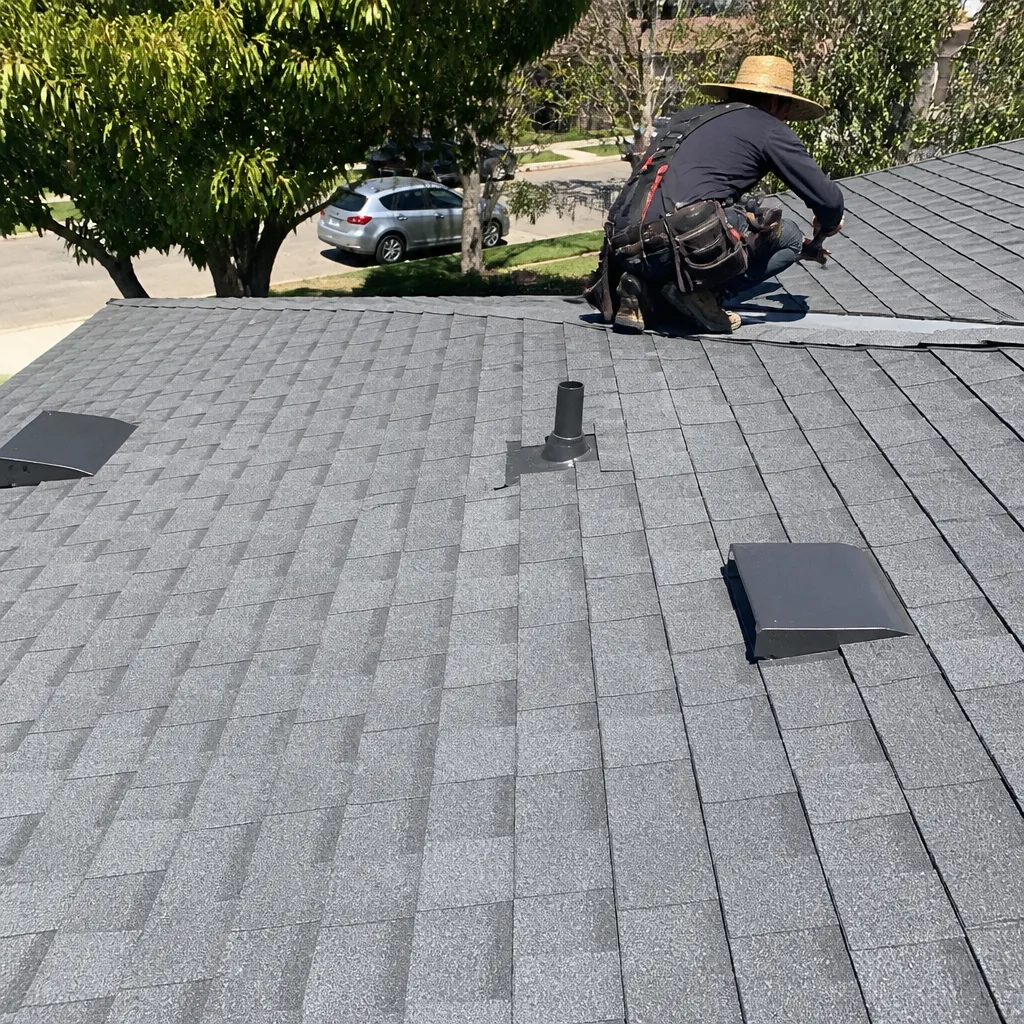 After
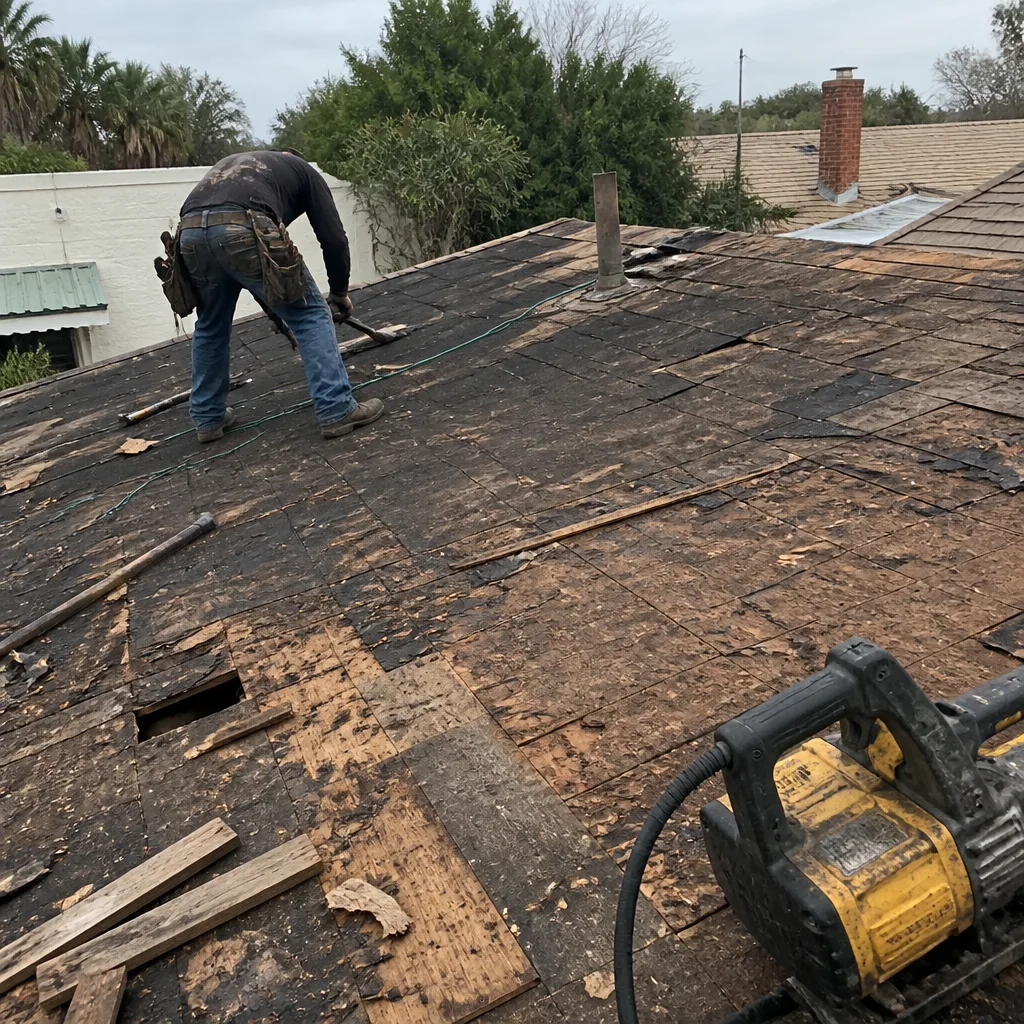 Before
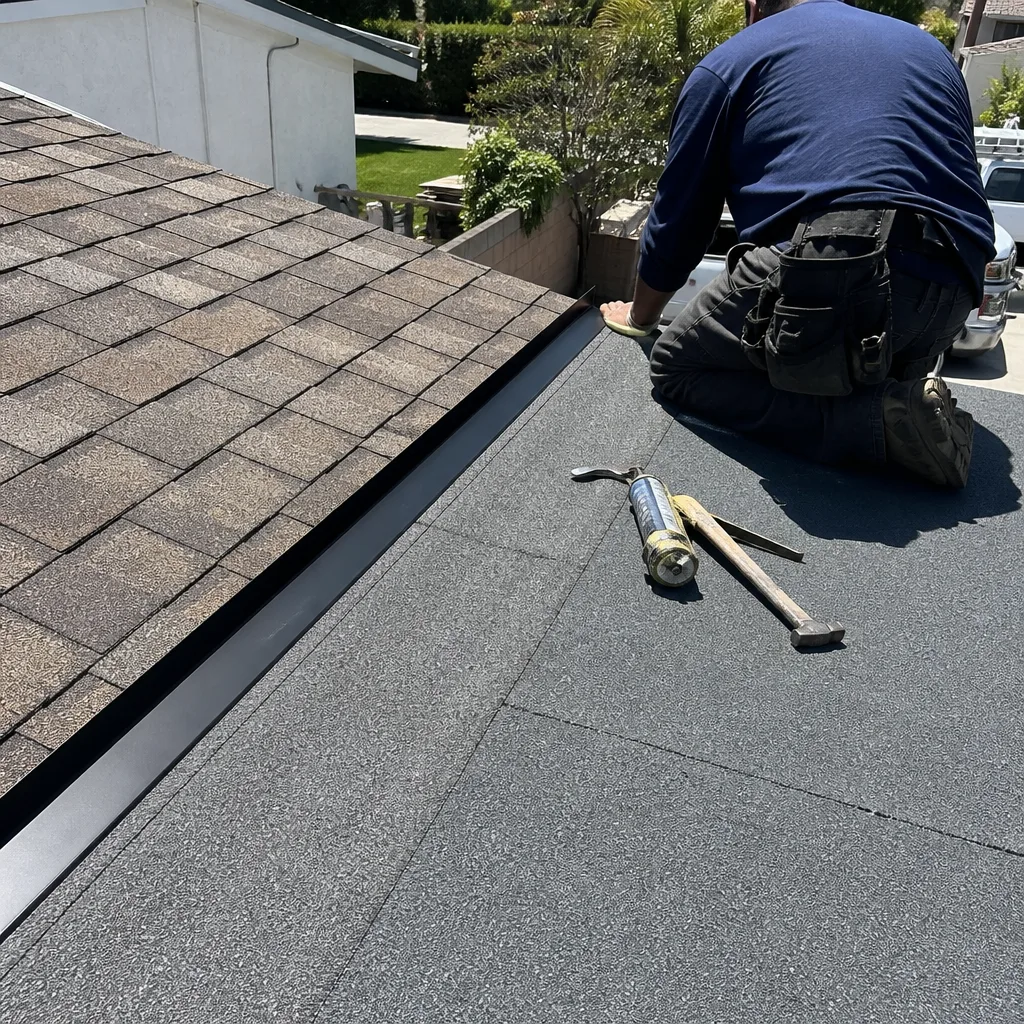 After
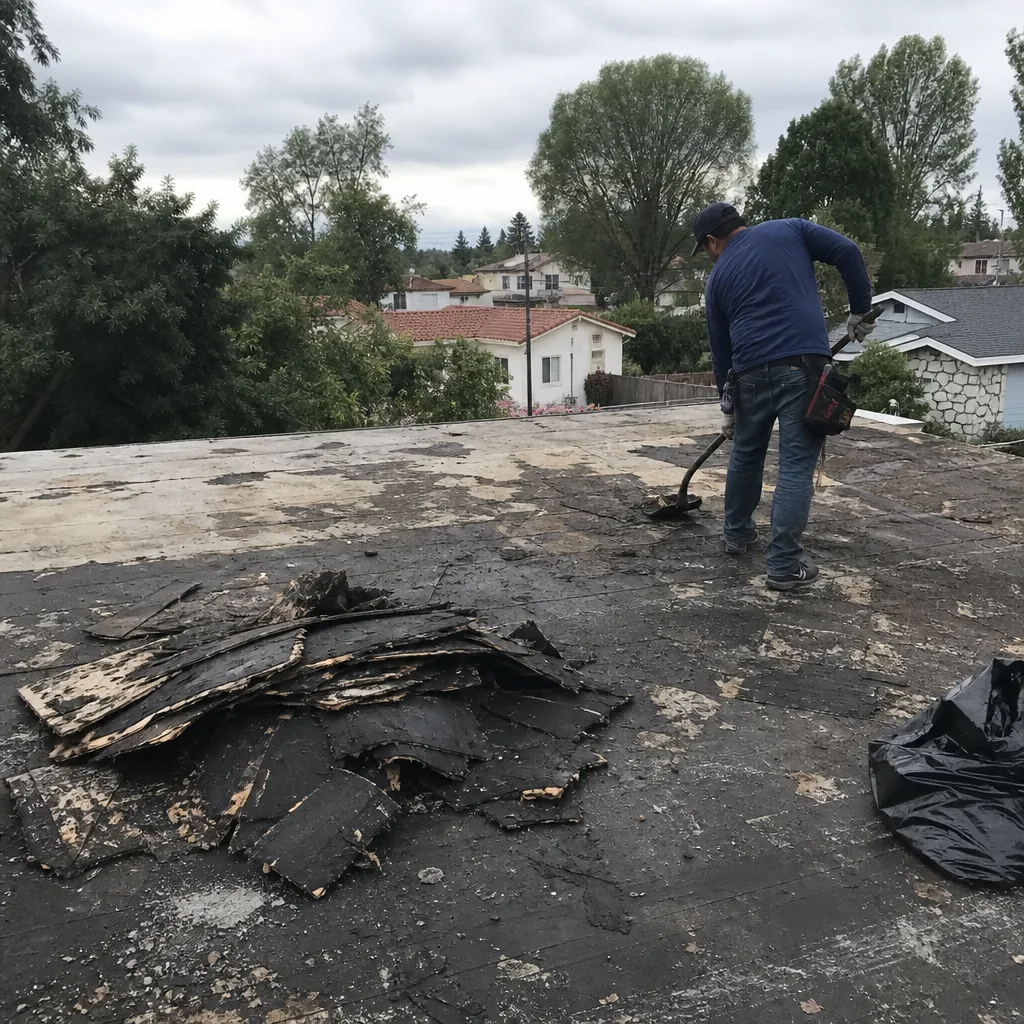 Before
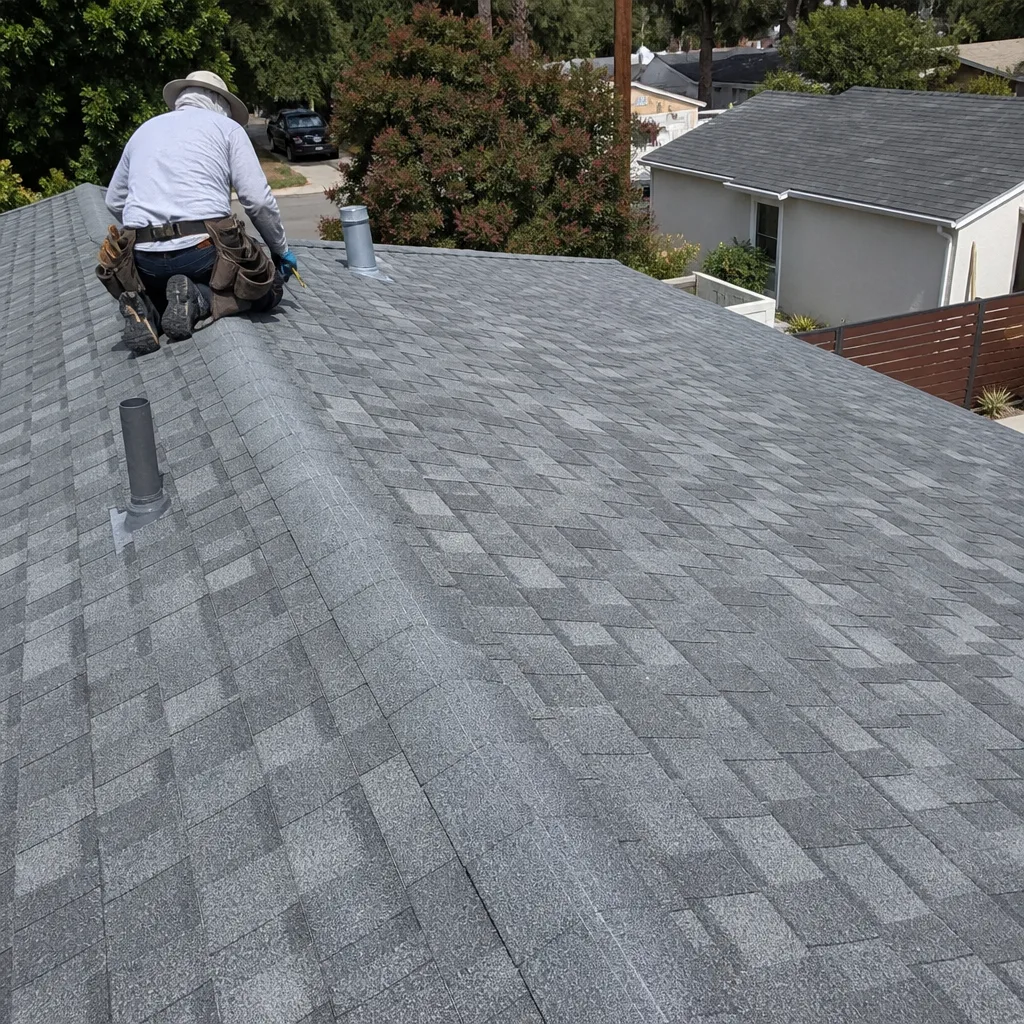 After
Pricing for Roof Replacement in Koreatown, CA
Here’s what you should expect to pay in Koreatown. A modest single-family flat roof replacement with a modified bitumen system runs $9,000 to $13,000. A mid-size apartment building with a TPO or PVC membrane and multiple penetrations typically lands between $14,000 and $18,000. Larger mixed-use buildings with parapet reconstruction, new cover board, and heavy equipment flashing can push to $22,000 or more. What drives the number isn’t square footage alone. It’s decking condition, how many rooftop penetrations need new flashing, whether the parapet needs rebuilding, and whether the existing insulation has to go. A compliant quote includes permit fees, inspection scheduling, and documentation. A cheap one leaves those out. Call (833) 589-7971 for a free estimate and we’ll give you a line-item price you can actually compare.
We Also Serve Cities Near Koreatown
While this page is written for the 90005 zip code and the apartment buildings that define Koreatown, our crews also cover Los Angeles, Echo Park, Silver Lake, and Hollywood. If you own property in multiple neighborhoods, or you’re comparing Roof Replacement options across the city, we can scope every building under one plan. The same team, the same seven brand lines, and the same code compliance documentation follow us from Koreatown to every surrounding city.
Serving Koreatown, CA — Our Local Coverage Area
We’re based in the Koreatown area and know this community well. Use the map below to see our service coverage — if you’re nearby, we can almost certainly help.
FAQs About Roof Replacement in Koreatown
A compliant roof replacement in Koreatown needs to meet the wind-uplift rating specified for low-slope membrane assemblies on 2 to 4 story buildings, which depends on the building’s height, parapet exposure, and roof zone (edges and corners are rated higher than the field). For most Koreatown buildings, that means a fully adhered membrane system with a cover board and mechanically fastened perimeters, not a shingle roof. We specify the exact rating your building requires during the estimate and document it on the permit drawings. Call (833) 589-7971 and we’ll confirm what your roof assembly needs to meet.
Yes, roof replacement in Koreatown requires a building permit, and the project must pass inspection at multiple stages: deck condition, insulation and cover board installation, and final membrane and flashing. We pull permits for every replacement, schedule the inspections, and provide documentation showing the assembly met code. Without that paperwork, your manufacturer’s warranty can be voided and your insurer may refuse premium credits or storm damage claims later.
For Koreatown’s low-slope roofs, we most often install CertainTeed modified bitumen, GAF EverGuard TPO, and Owens Corning membranes, with IKO as a solid value-tier option for smaller buildings. Each has different strengths: TPO handles the intense summer UV well, modified bitumen handles foot traffic and rooftop equipment better, and the right choice depends on your building’s configuration. We carry all seven major brands so the recommendation fits the roof, not our inventory.
If your roof was replaced with a documented, code-compliant assembly, your insurer can verify that wind-uplift and fire ratings were met, which strengthens a claim and may qualify you for premium credits. Without permits and inspection records, the insurer can argue the roof failed due to prior improper work and deny or reduce the claim. The December 2022 through early 2023 atmospheric river storms made this painfully clear for Koreatown landlords who couldn’t produce documentation. We hand you the paperwork with every replacement.
Put the two quotes side by side and look for four things: membrane type (a compliant quote specifies a low-slope system, not architectural shingles), flashing scope at every penetration, whether the quote includes permit fees and inspection scheduling, and whether insulation and cover board are included or recycled. A cheap quote often skips the cover board, reuses old insulation, and leaves permits out. The cheap quote isn’t cheaper; it’s incomplete. Call (833) 589-7971 and we’ll walk you through the comparison line by line. Estimates are free.
Storm and Wind-Load Compliance: The Difference Between a Roof That Lasts and One That Doesn’t
Most Koreatown roofs are flat or low-slope membranes on 1920s to 1960s apartment and mixed-use buildings, so a roof replacement here is a membrane and flashing project, not an asphalt shingle re-roof. Yet many bids still quote residential shingles that don’t meet the local wind-uplift and fire-rating requirements for these assemblies. That’s the core issue we see in this neighborhood, and it’s why documentation matters as much as the membrane itself. A compliant roof replacement in Koreatown includes a fully adhered membrane system that meets the wind-uplift rating for the building’s height and parapet exposure, a cover board where the engineering calls for it, and flashing tied into the membrane at every penetration. The permit and inspection record then becomes your proof for the insurer.
We recently completed a full roof replacement on a 1928 stucco-over-wood-frame apartment building near Western Avenue and 6th Street, where the original hot-mop asphalt had failed around a cluster of restaurant exhaust vents. Our crew removed the old membrane, installed a GAF EverGuard TPO single-ply system with new flashing at every penetration, and added a cover board to meet the wind-uplift rating required for the parapet exposures. The landlord now has documentation showing code-compliant assembly and a wind warranty that satisfies the insurer’s underwriting requirements. That’s what a Koreatown roof replacement should look like on paper and on the roof.
If you own or manage a building in Koreatown, compare quotes against this standard. The membrane type, the flashing scope, and the paperwork are not optional line items. They’re the difference between a roof that fails in the next atmospheric river storm and one that stands up and gets your claim paid. Call (833) 589-7971 to schedule a free estimate, and we’ll give you a written line-item quote you can hold up against any other bid in Koreatown.
Written by Roland Vega, Owner at Hollywood Roofing Co, serving Koreatown and greater Los Angeles.