
 Metal roofing
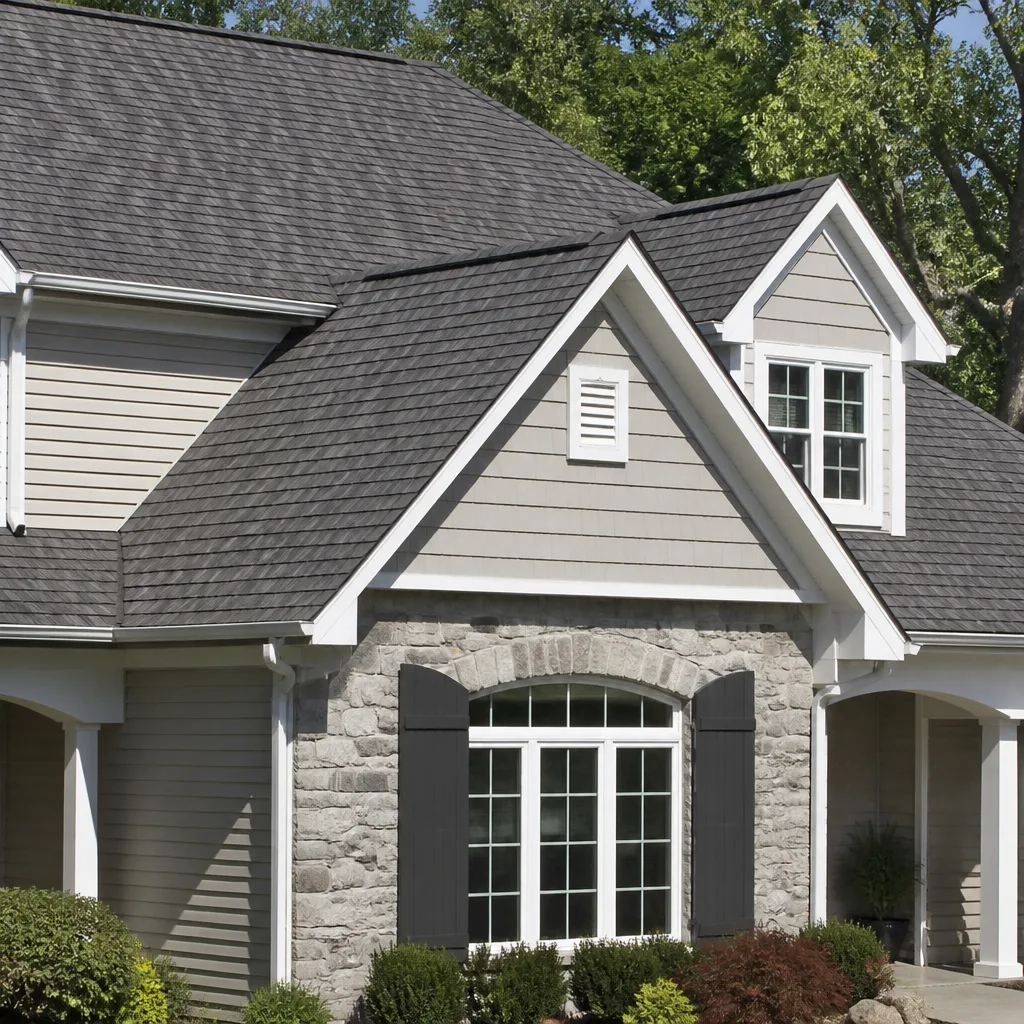 Architectural shingles
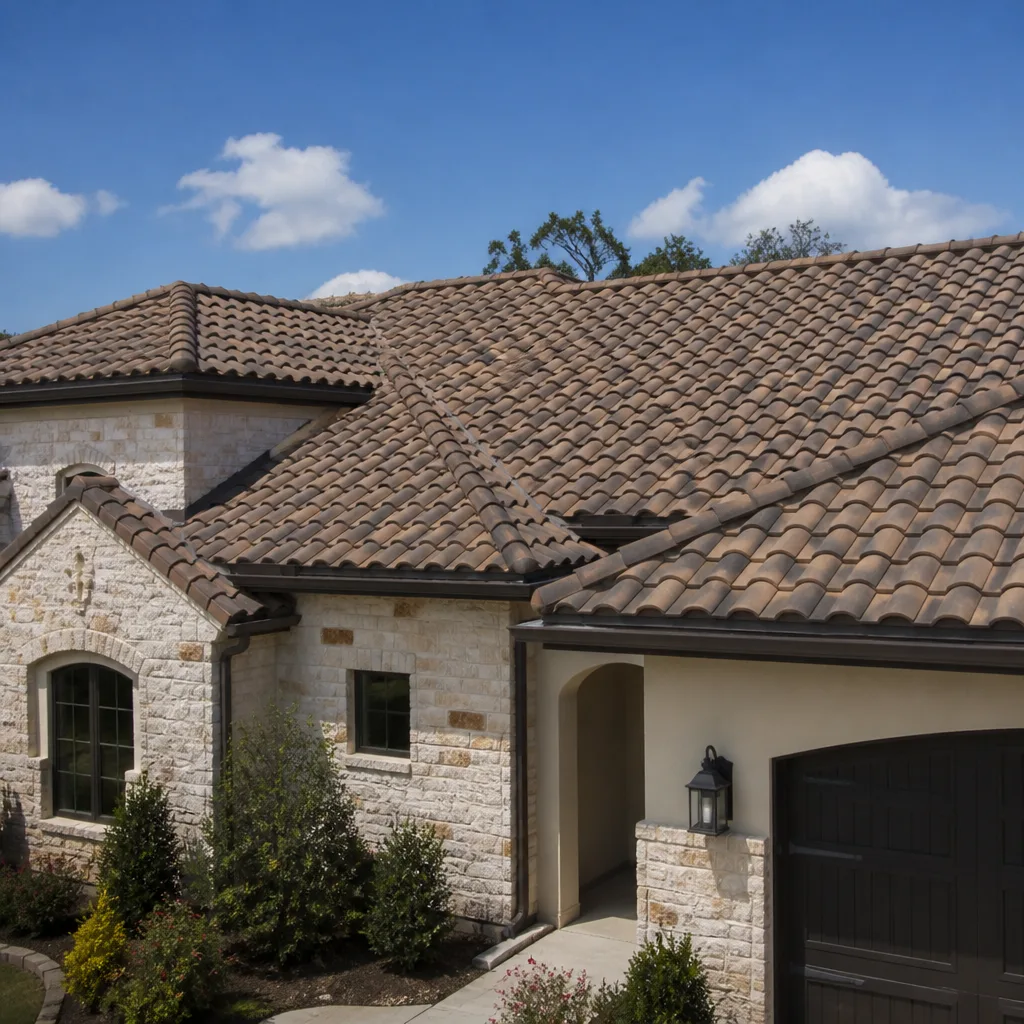 Tile roofing
 GAF
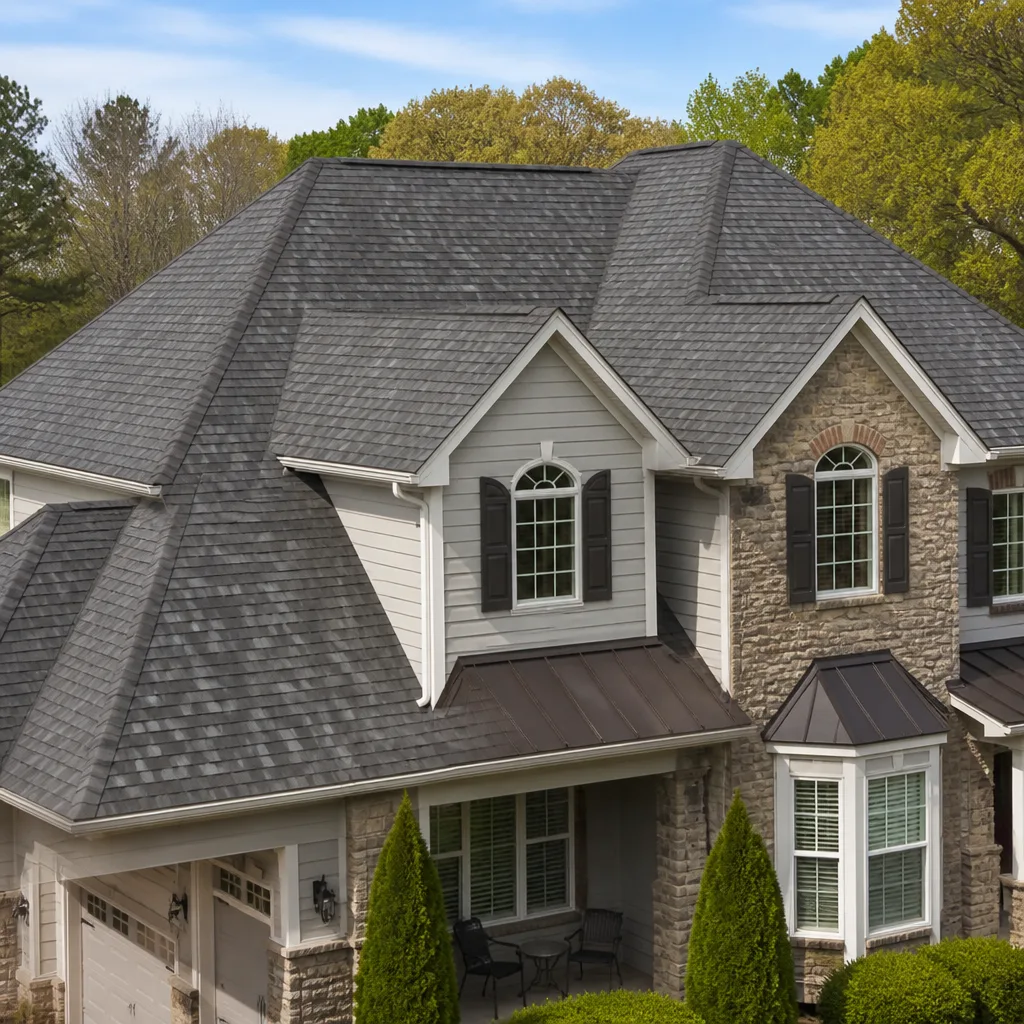 Owens Corning
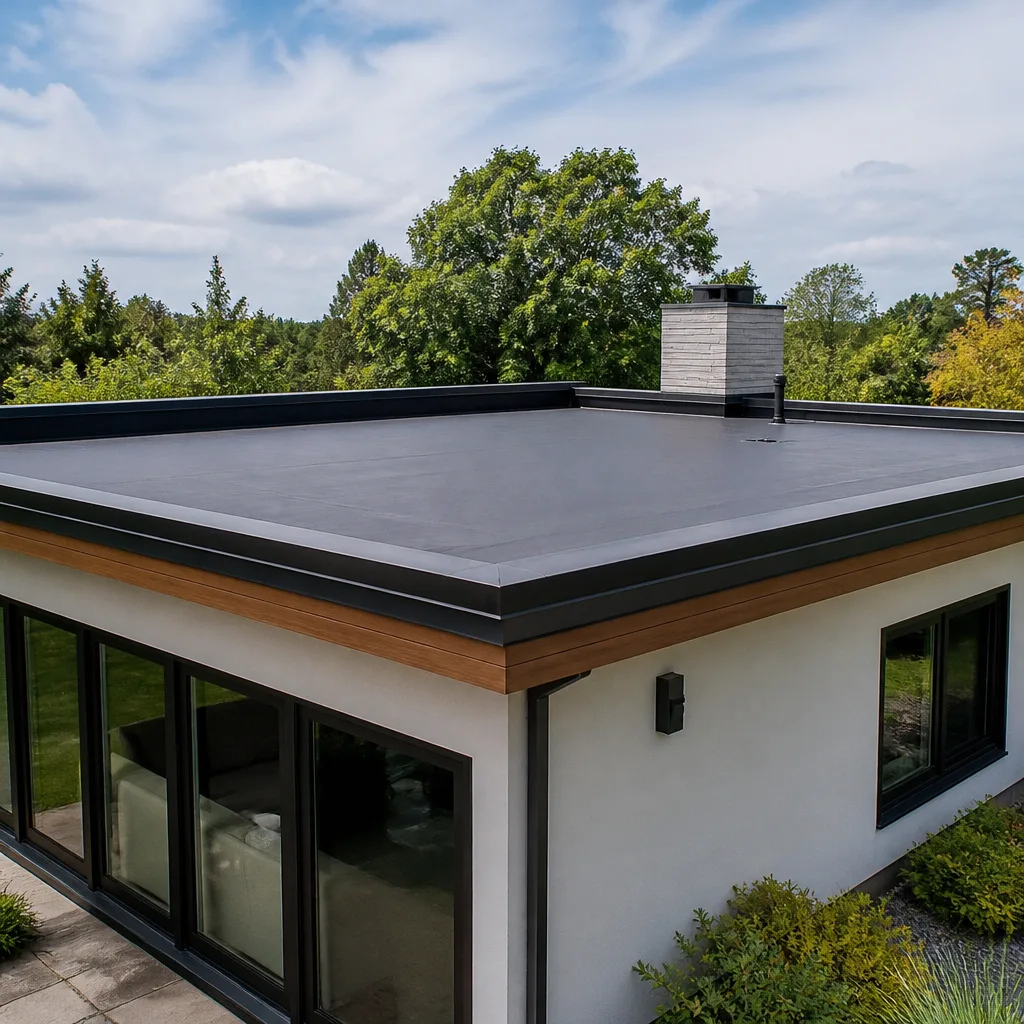 Flat & low-slope
Free roof inspection with deck photos before we talk money - GAF and Owens Corning certified installation
Fast, Reliable Roof Repair Across San Antonio Heights
Roof repair in San Antonio Heights runs $350 to $2,800 for most targeted fixes, with full leak repairs typically landing between $500 and $1,400. That’s the honest range for this area, where steep hillside lots, aging concrete tile, and county code requirements shape every job. We’ve worked the foothill neighborhoods above Euclid Avenue long enough to know that a leak here rarely announces itself politely. It shows up as a ceiling stain after the first real rain, and by then water has already found the path of least resistance through old flashing or cracked tile. If you’re seeing signs of trouble, call us at (833) 589-7971. We’ll send someone who knows this terrain.
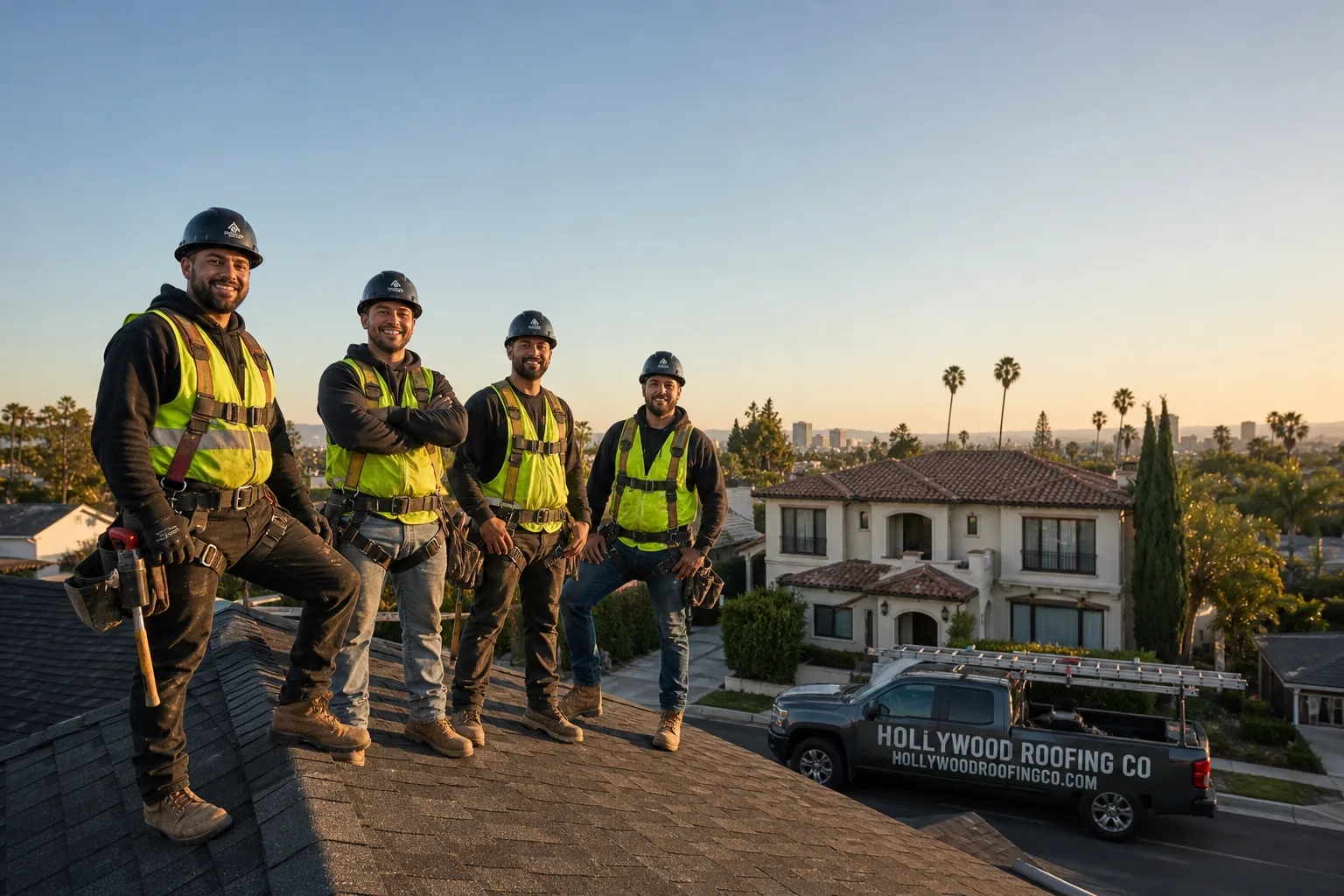
Why Hollywood Roofing Co Is San Antonio Heights’s Go-To Roof Repair Crew
Most of San Antonio Heights sits in unincorporated San Bernardino County, which means no city building counter and no quick over-the-counter permits. Every repair that touches structural decking, skylights, or fire-rated assemblies moves through county review. We’ve pulled enough county permits here to know exactly which details reviewers flag on hillside properties. When a homeowner off Mountain Avenue called us about wind-damaged ridge caps, we had the repair scoped, permitted, and scheduled within the week. That’s not because we cut corners. It’s because we already knew what the county would ask for before we started the paperwork.
Homeowners in San Antonio Heights tend to do their homework before committing. That suits us. We’re heavy on straight answers and light on pressure. Roland Vega started Hollywood Roofing Co with the idea that a roofer should be able to explain why a material fits a home, not just quote a price. That’s why we carry products from GAF, CertainTeed, and Tamko, among others. No single brand owns our recommendation. The home’s exposure, the lot’s drainage, and the homeowner’s budget do.
Response time to San Antonio Heights is consistently same-week for repairs, and next-day for active leaks when weather allows. We route our Hollywood-based crews up the 210 to the Euclid Avenue corridor regularly, so we’re not learning your streets for the first time. We know the narrow switchbacks above 24th Street, the long driveways where a trailer has to back in blind, and the HOAs along the foothills that have their own rules about material color and finish.
Styles & brands we work with
Commercial Roof Repair in San Antonio Heights
Commercial Roof Repair in San Antonio Heights mostly means flat or low-slope roofs on the small commercial buildings that line Euclid Avenue, plus the occasional outbuilding or detached shop on residential acreage. These structures take a beating from summer heat that can sit above 100°F for days, followed by Santa Ana winds that peel failing membrane edges back like a page in a book. Repair costs here typically run $850 to $3,500 depending on the membrane type, the size of the damaged area, and whether the repair is a patch or a full re-seam of a failing section.
Flat Roof Patch and Re-Seam Work
On low-slope commercial roofing, we find most failures start at seams, vents, or penetrations. A flat roof patch in San Antonio Heights usually runs $450 to $1,100 when the surrounding membrane is still holding. If heat cycling has left the membrane brittle across a larger area, we recommend a wider re-seam. That runs higher, often $1,400 to $2,800, because the material has to be cleaned, primed, and bonded properly or the patch fails in the next heat wave.
Flashing and Penetration Repairs
Commercial buildings here often have multiple penetrations for HVAC curbs, exhaust vents, and conduit lines. When a Santa Ana wind event drives rain sideways, water finds every flashing seam that’s even slightly compromised. Flashing repair on commercial roofs in this area typically costs $600 to $1,600 per curb or penetration. The work isn’t hard for a trained crew. The tricky part is diagnosing which penetration is leaking when water travels 20 feet before it shows up inside.
Roof Leak Repair in San Antonio Heights
Roof Leak Repair in San Antonio Heights is our most common call once the winter rains start. Most homes here were built between the 1950s and 1990s, and a good number still have their original concrete tile or wood shakes. Concrete tile alone isn’t what leaks. The underlayment beneath it wears out, flashing at valleys and penetrations corrodes, and old skip sheathing lets water migrate sideways once it’s under the tile. A targeted leak repair here runs $500 to $1,400 when we can isolate the entry point. If water has been traveling and the decking is compromised, the number moves up quickly.
Valley and Vent Boot Repair
Valleys concentrate runoff during the short but intense rains that hit the foothills. On steep hillside roofs, a failed valley flashing sends water under the tile edge and down into the ceiling. Valley repair in San Antonio Heights typically runs $650 to $1,800. Vent boot repairs are smaller in scope, usually $275 to $450, but a cracked boot above a bathroom or kitchen vent can drip for months before the stain appears. We replace boots with high-temp neoprene and seal the surrounding tile or shingles so the fix outlasts the next decade.
Steep Slope Access Costs
Not every roof in San Antonio Heights is easily reachable. Some lots drop off hard at the back, and a roof that looks like a simple walk-up from the street turns into a rope-line job once the crew gets to the rear elevation. We carry the safety gear and staging equipment for these access situations, and we factor that into the quote rather than surprising you mid-job. Steep access usually adds $300 to $800 to a repair, and it’s worth every dollar because it means the crew works safely and the repair is done properly.
Trusted Brands We Service in San Antonio Heights
We service all the major roofing brands you’ll find across San Antonio Heights, including GAF, CertainTeed, Tamko, and Boral. Because we’re an authorized installer for these and three other major manufacturers, we’re not stuck recommending one product line and pretending it fits every home. A tighter access lot with a steep pitch might do better with a specific underlayment and fastener schedule than a wide ranch-style roof off Base Line Road. We match the material to the condition of the deck, the exposure of the slope, and the homeowner’s actual budget. We also keep a running inventory of common flashing sizes, boot types, and patch materials in our trucks, which means fewer return trips for parts and a faster repair for you.
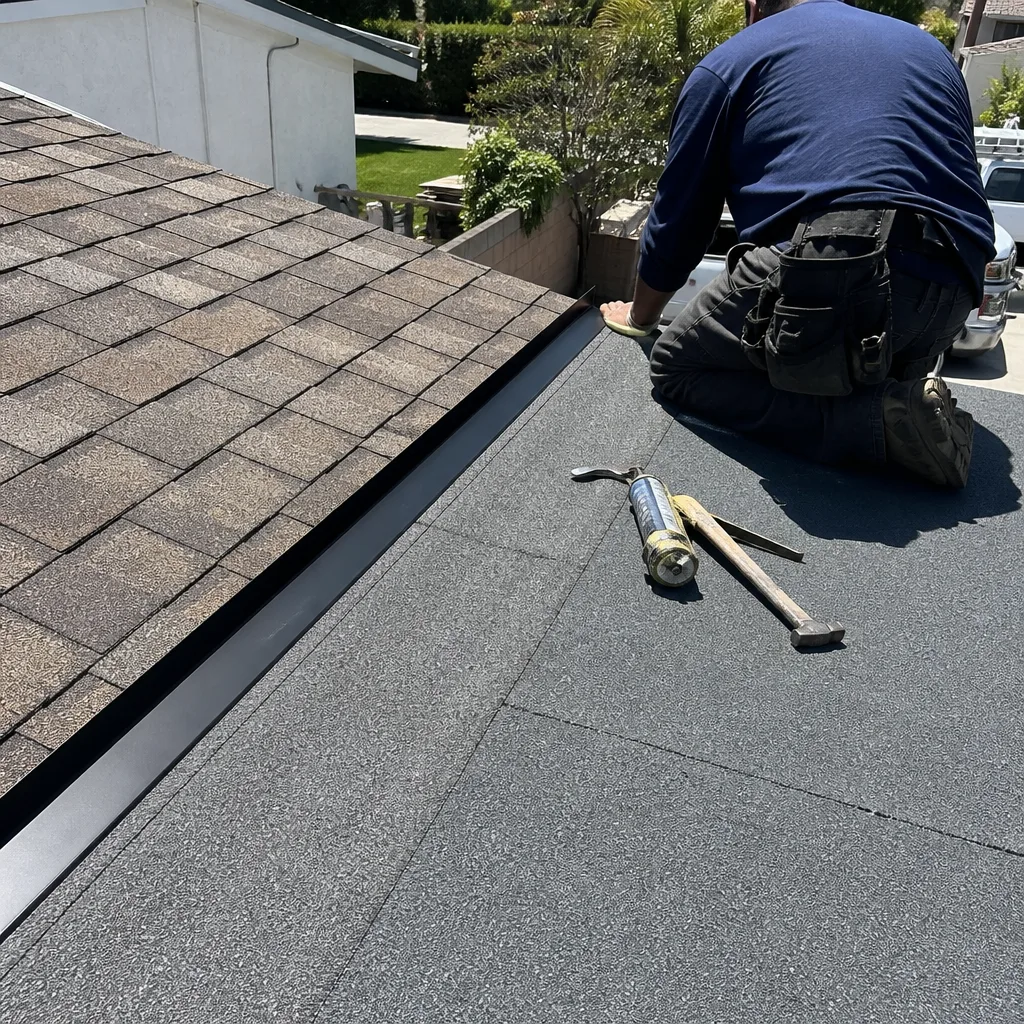
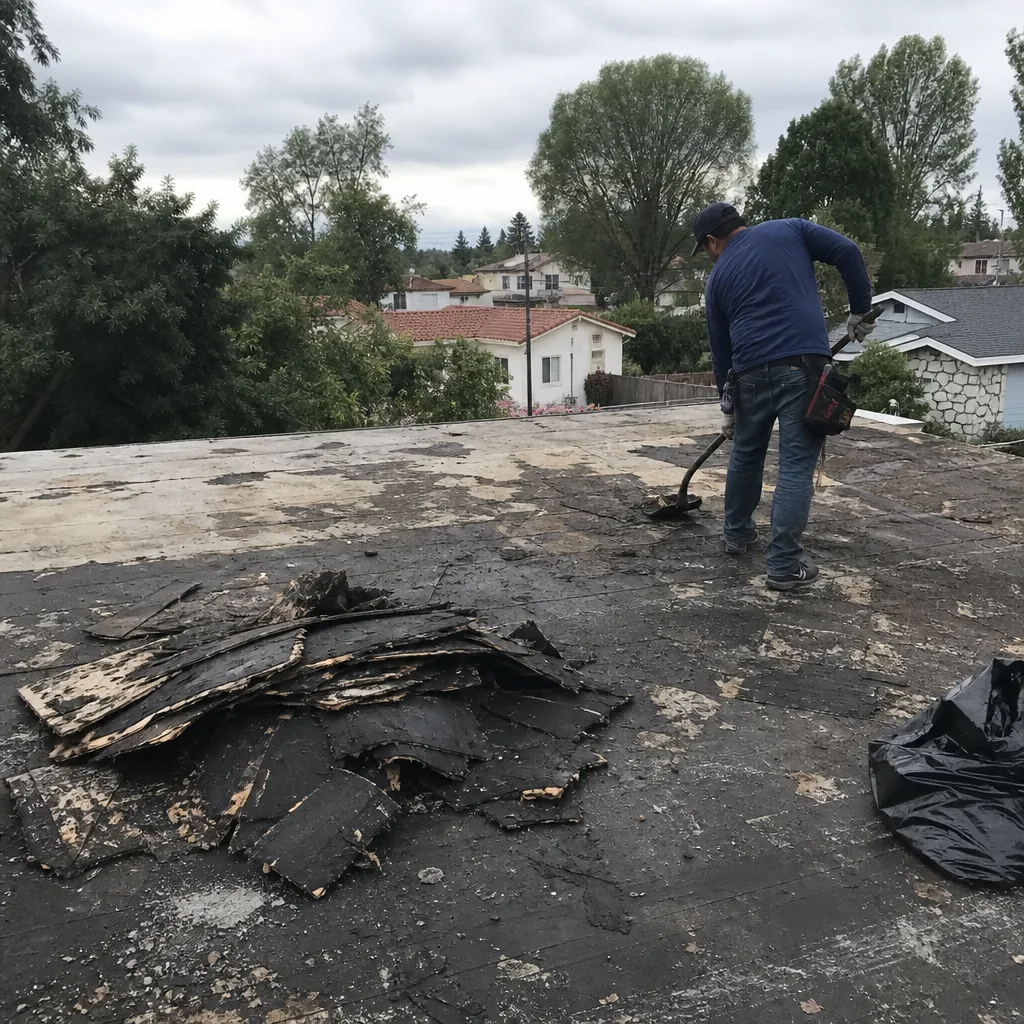
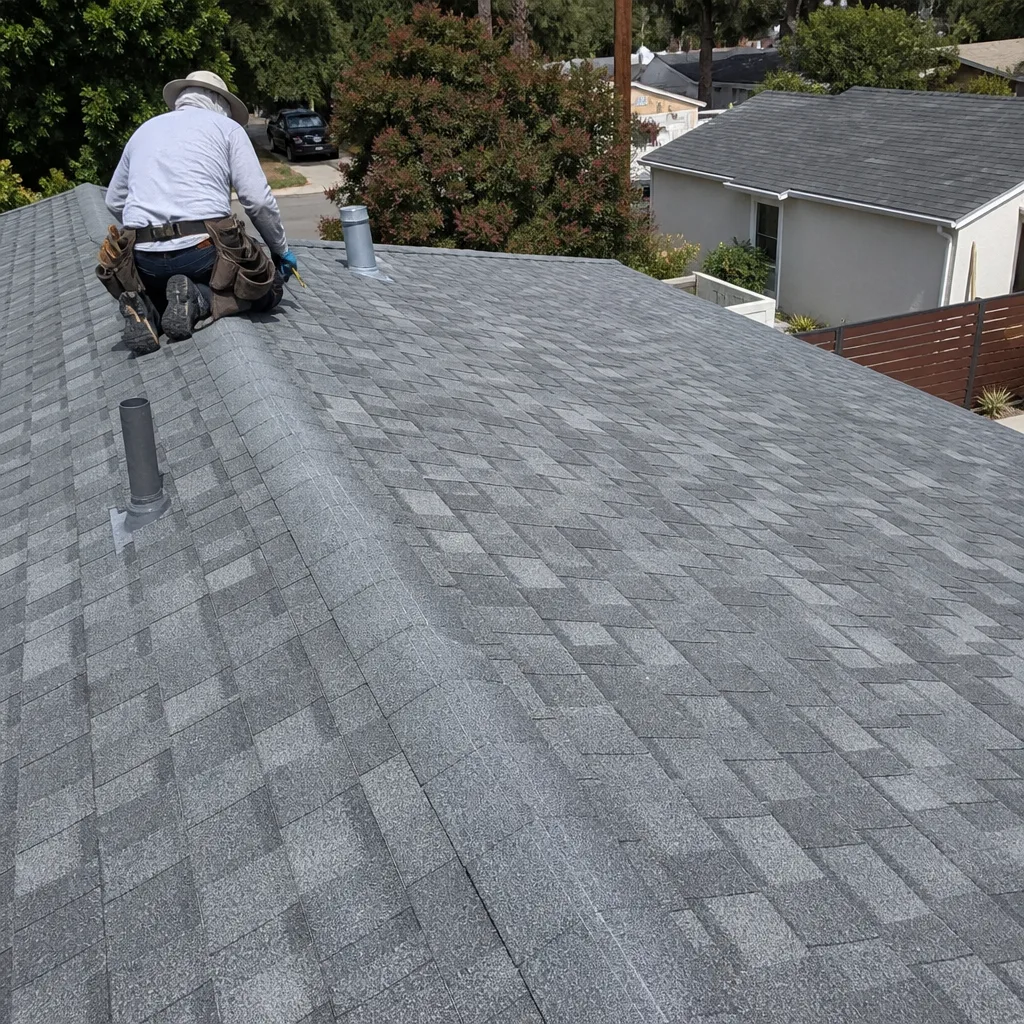
See the difference
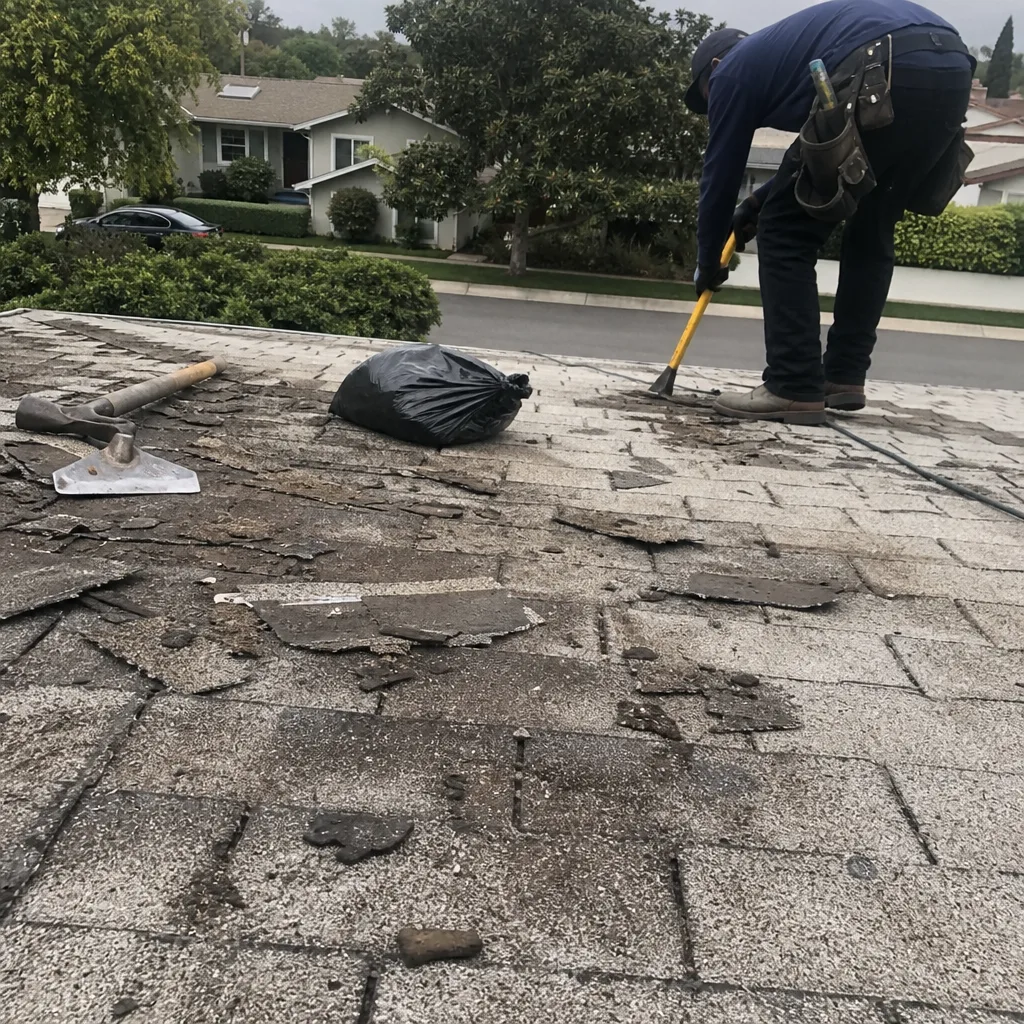 Before
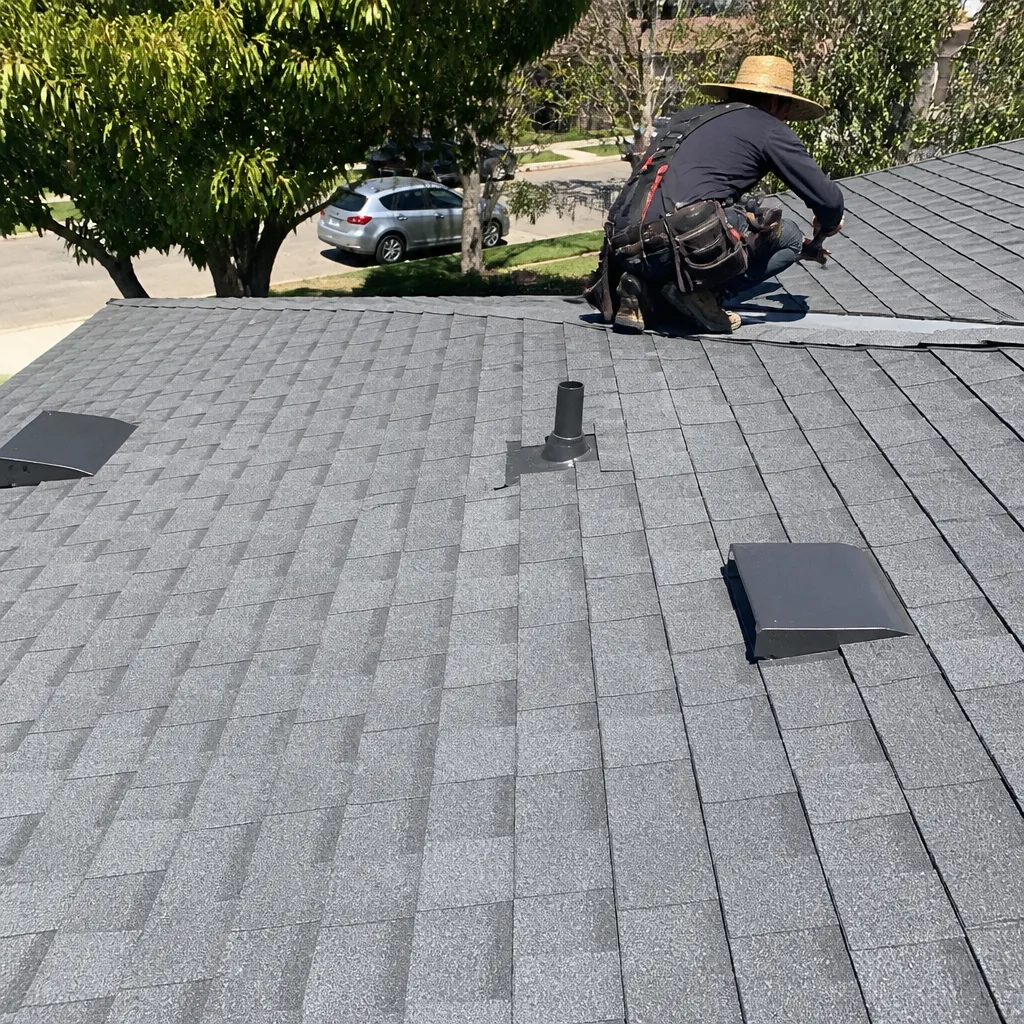 After
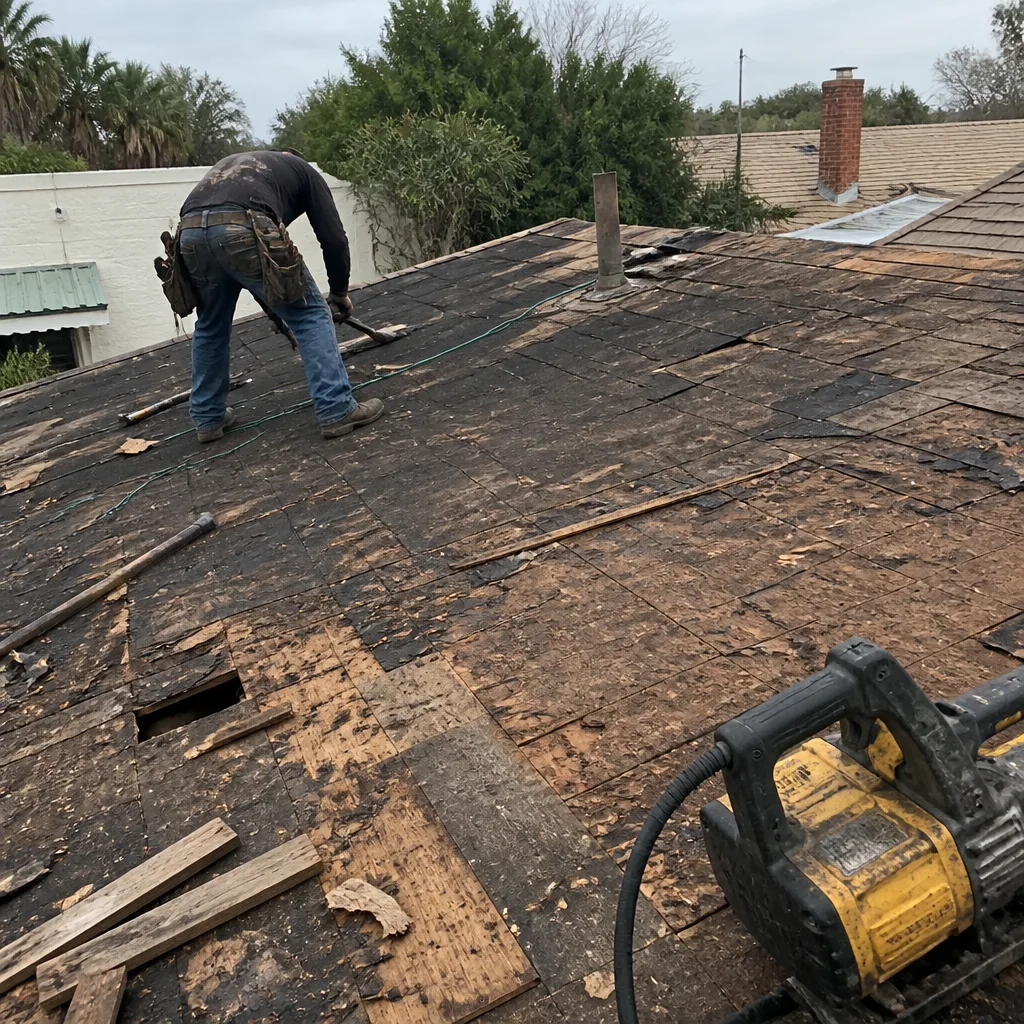 Before
 After
 Before
 After
Common Roof Repair Problems We See in San Antonio Heights Homes
- Santa Ana wind uplift on aging ridge caps and starter strips. High wind events here can reach 60 mph, and roofs nailed decades ago for looks rather than uplift resistance start shedding pieces. We see lifted ridge caps most often on homes built in the 1960s and 1970s. The fix is to re-secure or replace the cap with proper fasteners and sealant, and that work usually runs $800 to $2,200 for a full ridge line.
- Winter rain penetrating failed flashing at valleys and penetrations. Foothill rains are short but intense, and they drive hard against the windward side of the home. Old flashing doesn’t spring back to life; it leaks. Once water gets under tile, skip sheathing and poor attic ventilation make it worse by holding moisture against the wood. We find this pattern constantly on steep hillside roofs with original underlayment.
- Ember entry at soffit and fascia lines on homes that predate the 2003 Grand Prix Fire. Many homes here were never retrofitted with ember-resistant detailing after the fire. Older wood-shake and some concrete-tile roofs have gaps along the eaves where wind-driven embers can collect. Repairing this means closing those gaps with the right materials, and we work within the county’s current wildfire building code to do it.
- Leach field and well setback complications during material staging. This is unique to San Antonio Heights. On larger lots, the obvious flat spot to drop roofing materials or a dump trailer is often above the septic leach field or inside the well setback. We check the property’s septic plot plan before we quote, because running a trailer across a leach field can compact the soil and damage the system, and nobody wants a $15,000 septic repair on top of a roof repair.
Pricing for Roof Repair in San Antonio Heights, CA
Let’s talk in real numbers. Roof leak repair in San Antonio Heights runs $500 to $1,400 for a targeted fix. Flashing repair runs $600 to $1,600 for most single points. A flat roof patch on a residential outbuilding or commercial structure runs $450 to $1,300. If decking needs to be replaced, add $4 to $6 per square foot for materials and labor. The big variable in San Antonio Heights is the property itself. Steep access, county permit fees, septic setback staging, and long material hauls all move the number. We scope all of that before we quote you a fixed price, not an estimate that balloons later. Call (833) 589-7971 and we’ll walk the property with you. The estimate is free. The information is yours either way.
We Also Serve Cities Near San Antonio Heights
Hollywood Roofing Co handles roof repairs across the foothill communities surrounding San Antonio Heights. We regularly work in Upland, Claremont, Rancho Cucamonga, and Montclair. If you’re in one of these cities and comparing roofers, take a look at our main Roof Repair page for a broader look at how we work. If you’re in the unincorporated county pockets and foothill neighborhoods, the Roof Repair in San Antonio Heights page you’re reading right now was written for exactly your situation.
Serving San Antonio Heights, CA — Our Local Coverage Area
We’re based in the San Antonio Heights area and know this community well. Use the map below to see our service coverage — if you’re nearby, we can almost certainly help.
FAQs About Roof Repair in San Antonio Heights
Yes, most roof repairs in San Antonio Heights fall under San Bernardino County permit review because the community is unincorporated. Minor repairs like replacing a few shingles or resealing a pipe boot typically do not need a permit. Anything that touches structural decking, changes the roofing assembly, or alters fire-rated components usually does. We handle the permit paperwork and know what the county reviewers want to see on hillside properties. Call (833) 589-7971 and we’ll tell you whether your specific repair needs one before we start.
Yes, we stage materials and haul-out equipment on properties with well and septic systems every week. The key is placement. We never set a material drop or dump trailer over a leach field, within a well setback, or on a septic tank lid. We review your septic plot plan or county records before quoting, and we mark the no-go zones with stakes so the crew knows exactly where equipment can and cannot sit. This planning is built into the job, not an afterthought.
Not necessarily. If the skip sheathing is sound and only a small area is involved, we can often repair the localized damage without replacing the full deck. If the problem area is large or the sheathing is too uneven to re-set tile properly, we may recommend replacing the deck in that section. On a recent repair off Verano Drive, we found 1970s skip sheathing under a leaking concrete-tile roof. The leak traced to failed flashing at a plumbing penetration, but the sheathing beneath had rotted enough that re-nailing tile would have been pointless. We tore off to the rafters in that section, added solid decking and ice and water shield in the valleys, replaced the flashing, and reset the tile. The repair held because we fixed what was actually wrong, not just what was visible. Call (833) 589-7971 for an honest assessment of your roof’s substrate.
It changes fastener selection, sealant choice, and where we focus the inspection. Santa Ana winds hit San Antonio Heights roofs from predictable directions, usually from the northeast. We look hard at ridge caps, starter strips, and the windward eaves because those fail first. We also check for loose tile or shingles that might not leak yet but will once the next 60 mph gust finds them. Repairs in wind-exposed areas get fastener upgrades and more aggressive sealing than we’d use in a sheltered valley. That’s not an upsell. It’s what keeps the repair from failing next season.
It can, and usually for the better. After the 2003 Grand Prix Fire, many insurance carriers in the San Antonio Heights area began requiring documented fire-resistant roofing or at minimum evidence of ember-resistant detailing. If you have an older wood-shake roof and we repair it, we’ll document the work, note any ember-resistant improvements we make, and provide you with records you can send to your carrier. A repair alone may not convert a wood-shake roof into a Class A assembly, but closing ember gaps at the eaves and soffits is a step insurers often respond to. We’ll tell you plainly what the repair does and doesn’t do for your insurance position. Call (833) 589-7971 to schedule a look at the roof.
If your roof is leaking, worn, or storm-damaged, we’ll inspect it and give you a clear scope of work and a fixed price before any materials hit the driveway. Call (833) 589-7971 to schedule your free estimate. We work across San Antonio Heights, from the Euclid Avenue corridor to the hillside lots above 24th Street, and we know what these roofs demand.
Written by Roland Vega, Owner at Hollywood Roofing Co, serving San Antonio Heights and the surrounding foothill communities.